Featured

About me…..

My name is Jonathan Heath. I am a retired Deputy Headteacher. I am going to Rwanda with VSO for one year to lead a team of mentors who work alongside teachers in Rwanda to develop learner centred methodologies in Rwandan classrooms.

Disclaimer: The views expressed in this blog are my own reflections and are not necessarily representative of the VSO.

Training for VSO

My journey so far has involved:

Selection: 1 hour suitability interview, a 2 hour behavioural competencies interview and a 2 hour ‘incountry’ interview with Rwanda.

Training: Initial online training, 3 day face to face training and 2 week online community training.
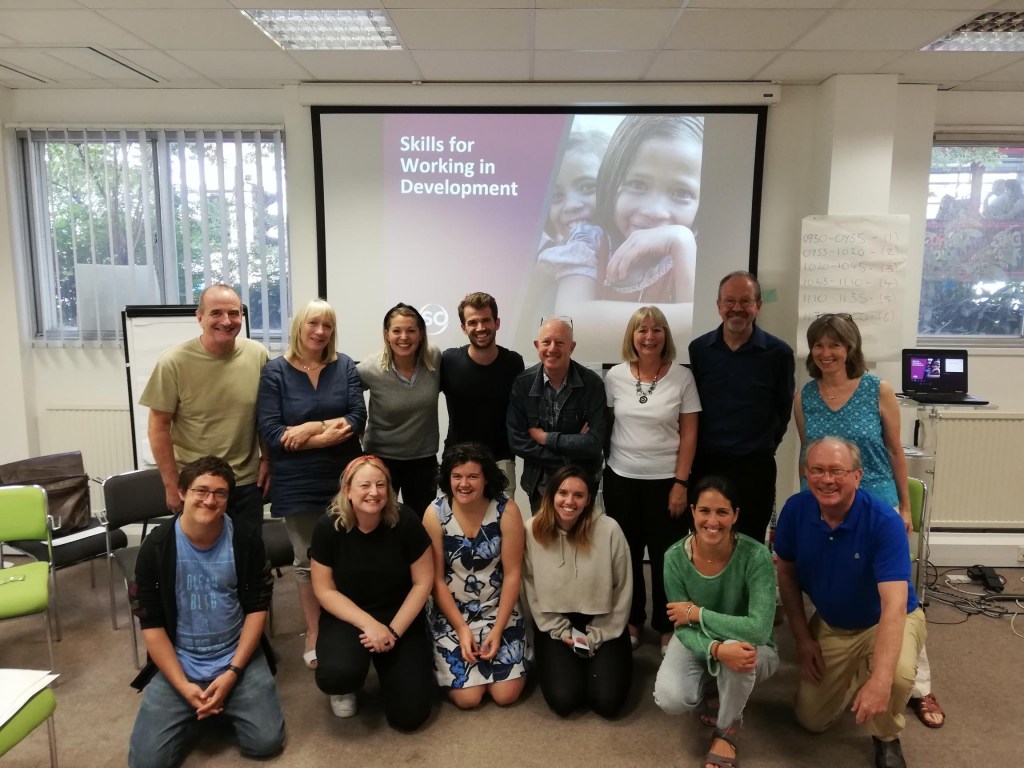
My face to face training colleagues Kingston on Thames August 9-11 2019

I have had injections for:Diphtheria, Tetanus, Poliomyelitis, Typhoid, Hepatitis A,Hepatitis B, Rabies, Measles, meningitis, cholera, yellow fever and Anti malarial tablets.

I now await my medical and my ‘incountry’ briefing (where I find out exactly what I have let myself in for).

I expect my departure date to be put back from 1st to 7th September as my work permit is delayed.

Tough journey already. On the upside I have learnt my first 30 Kiryrwanda words, just need someone to practice on!
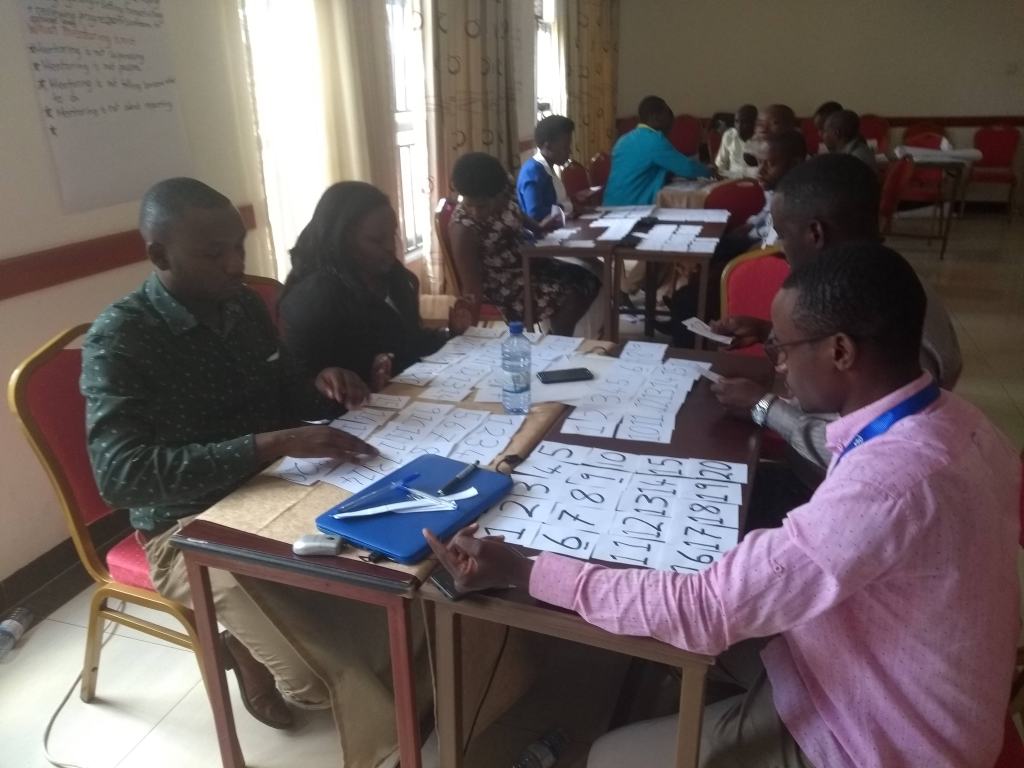
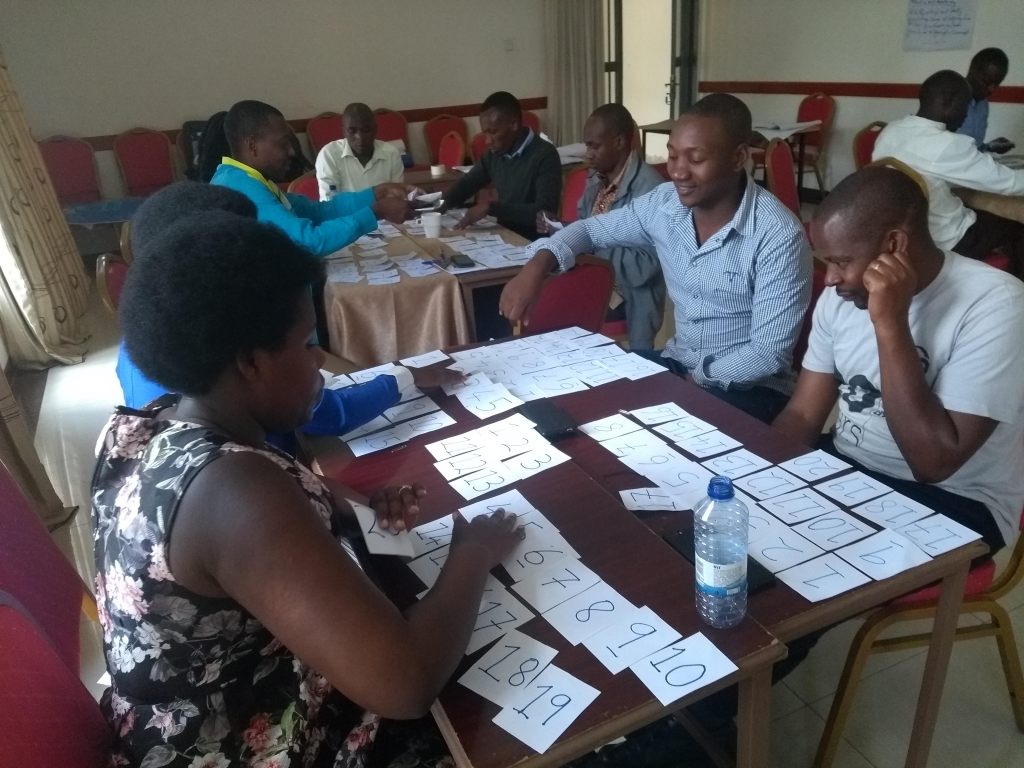
Capacity Development for Sector Learning Facilitators.

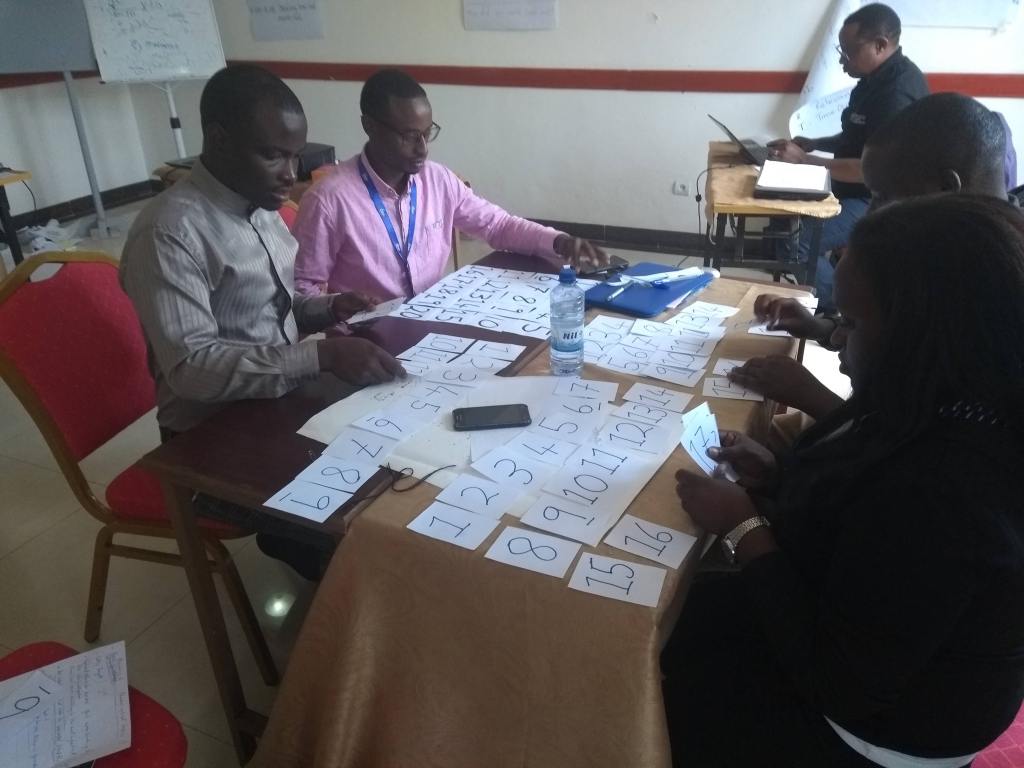
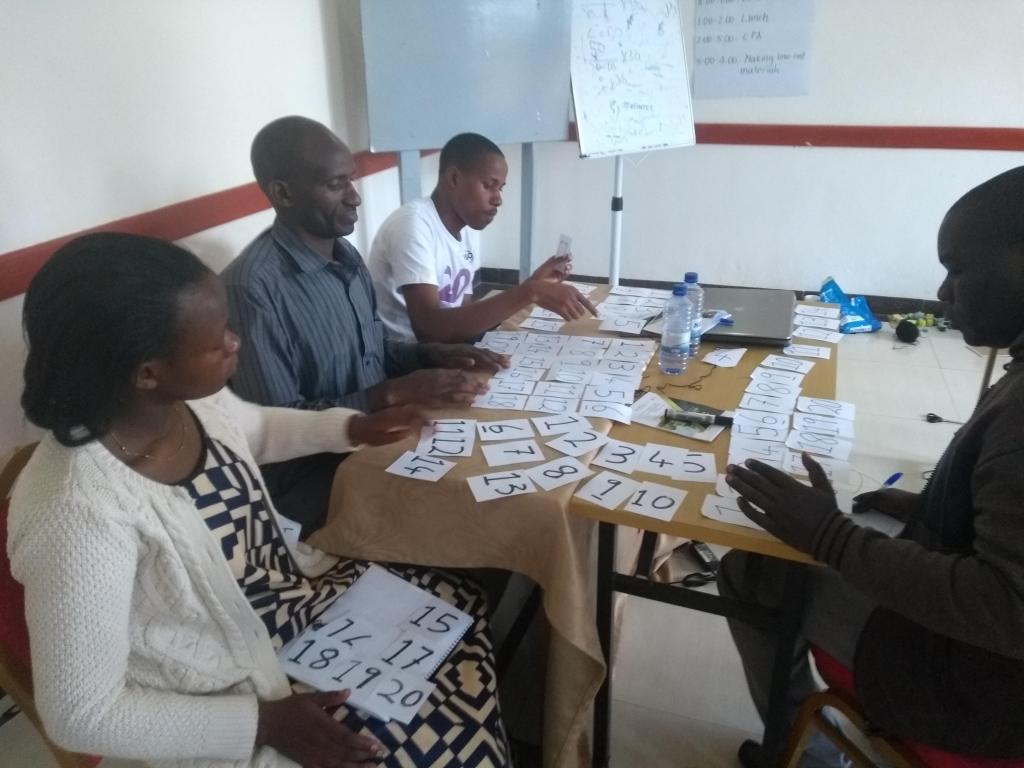
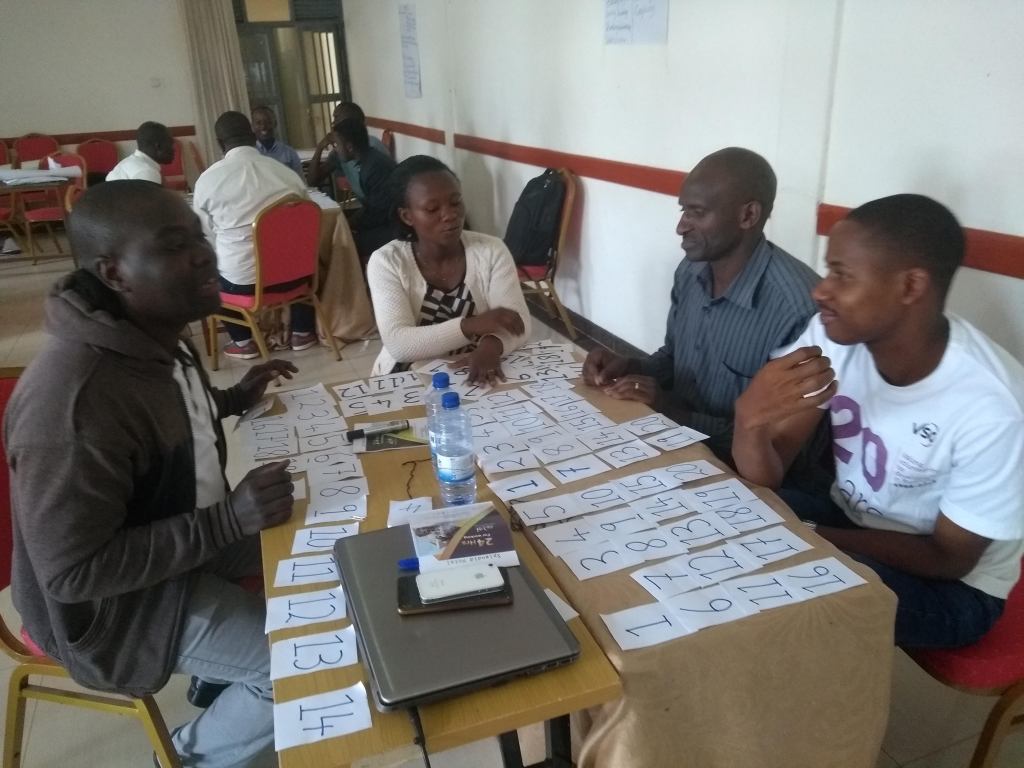
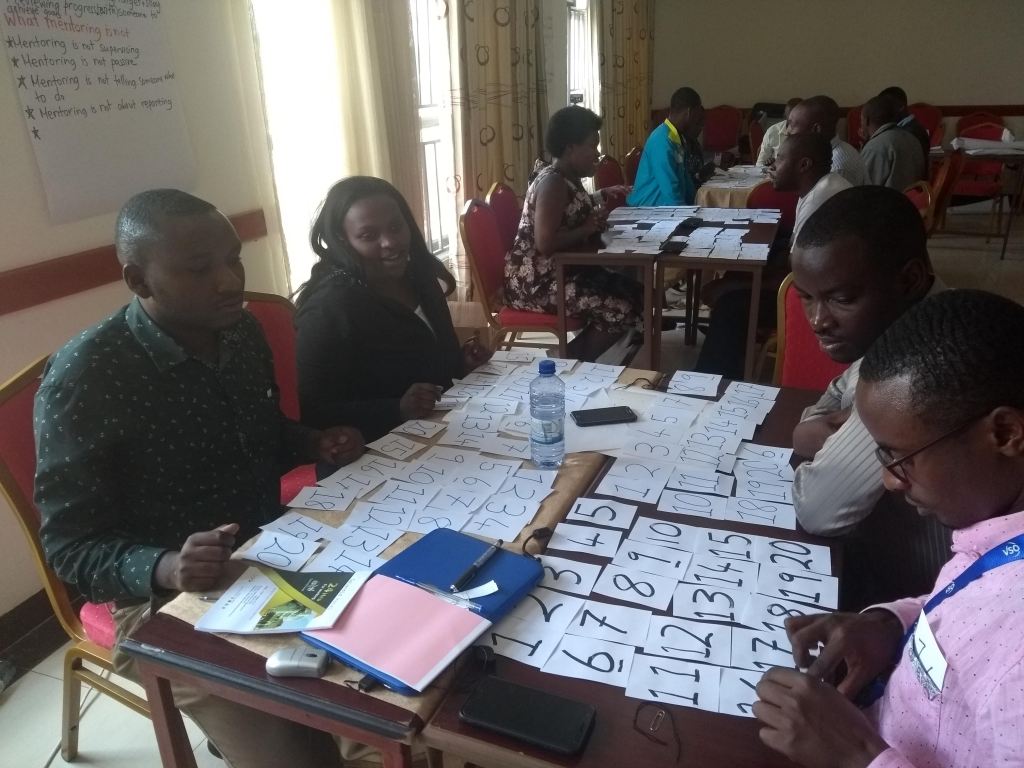
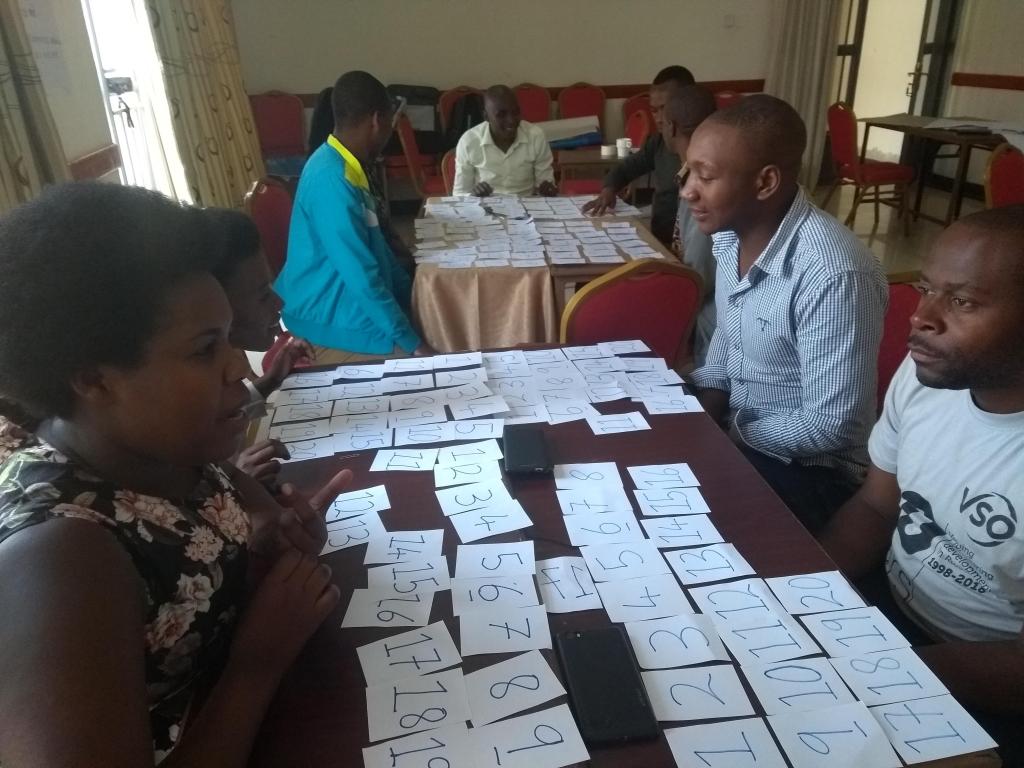
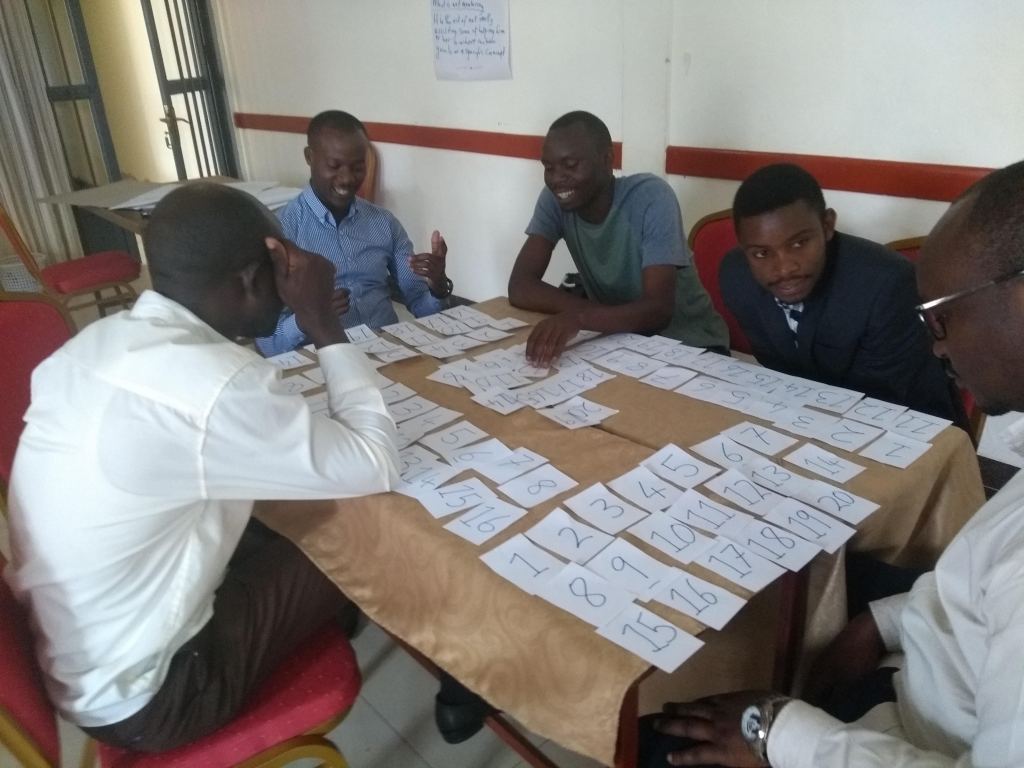
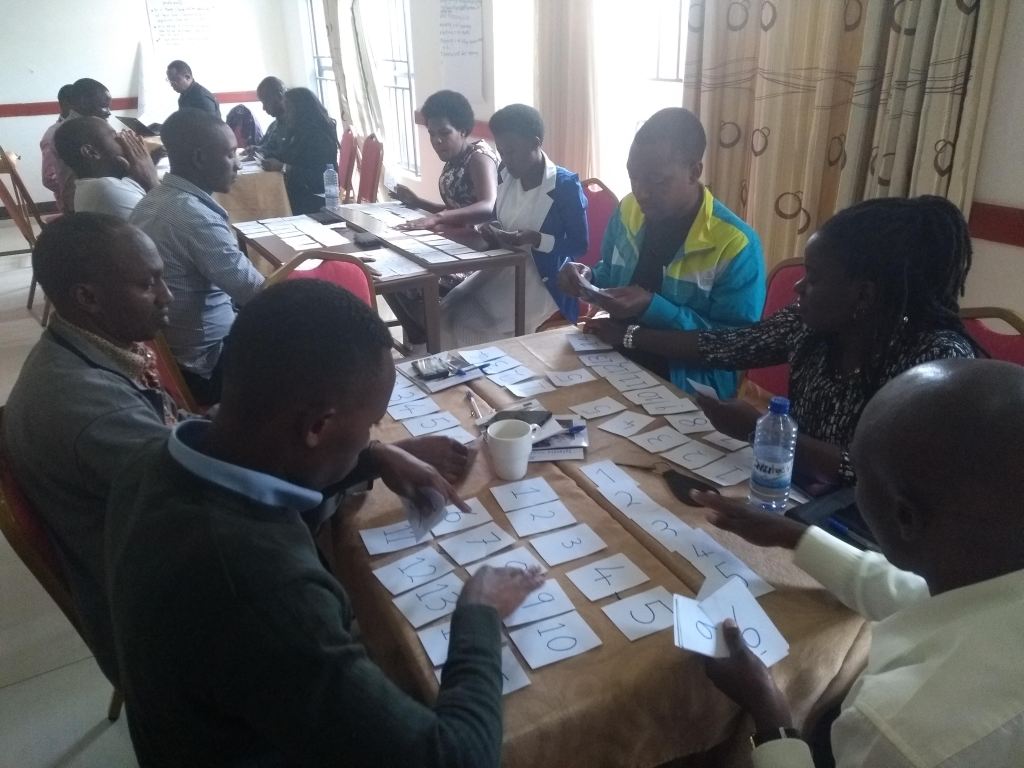
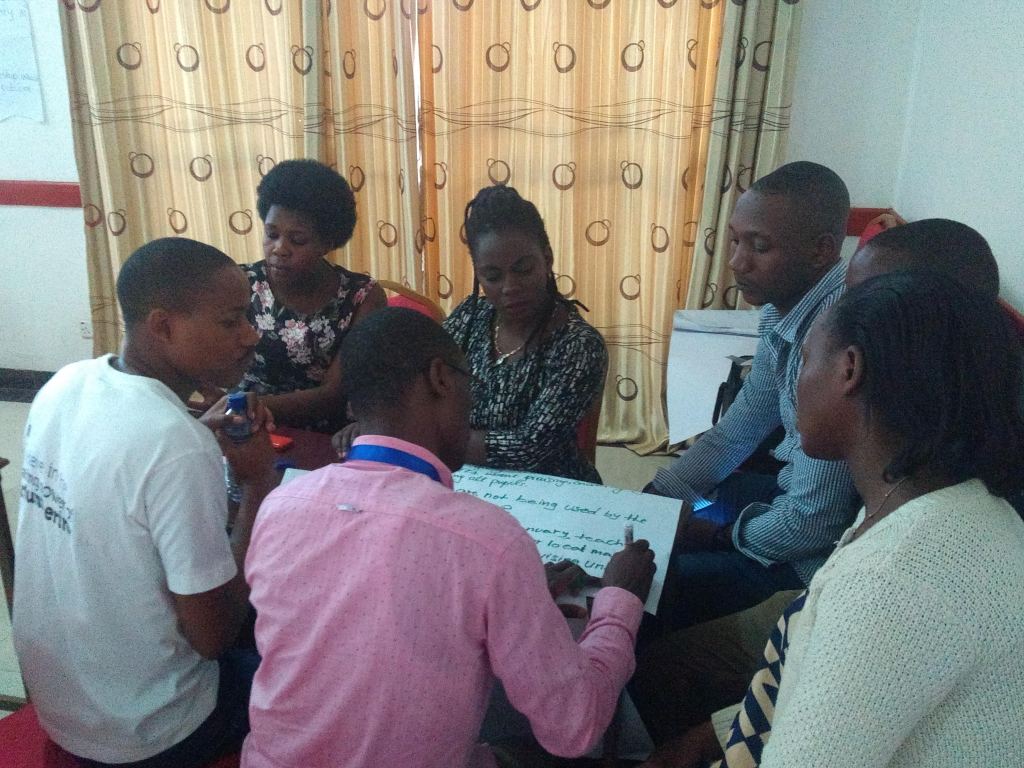
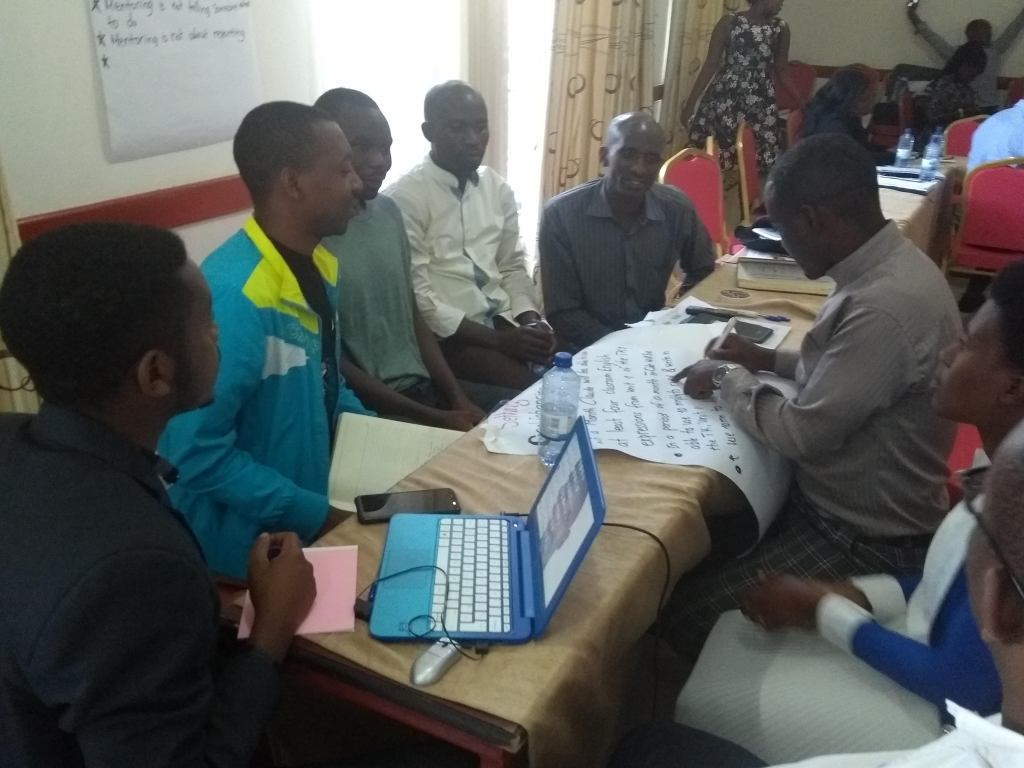
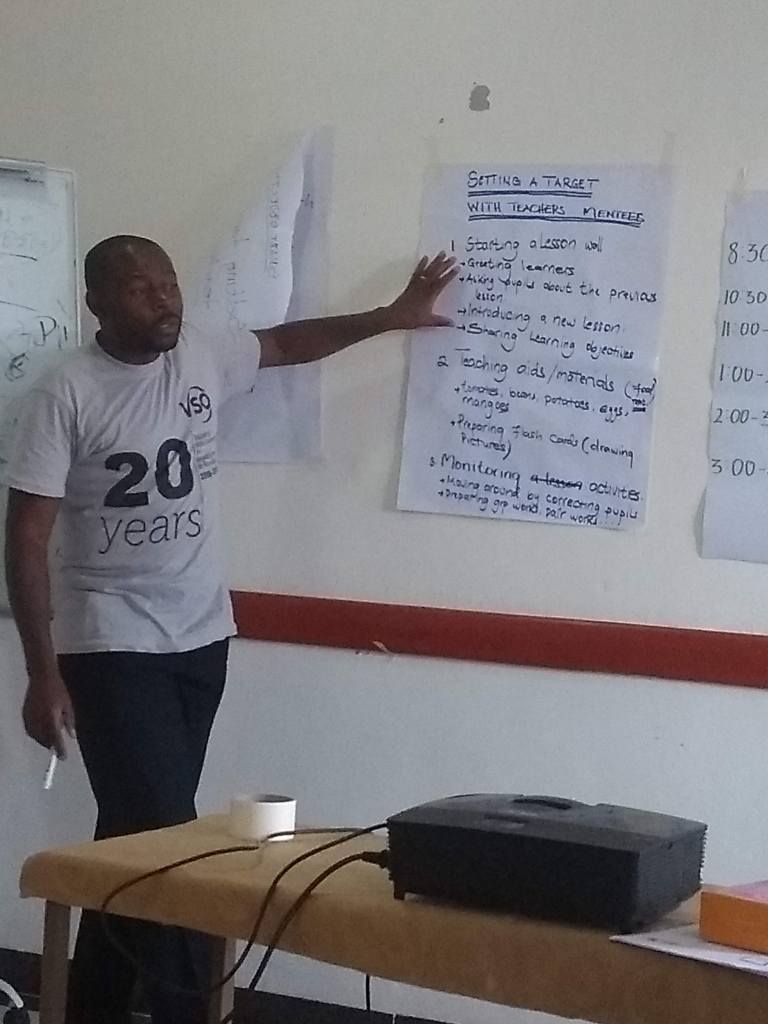
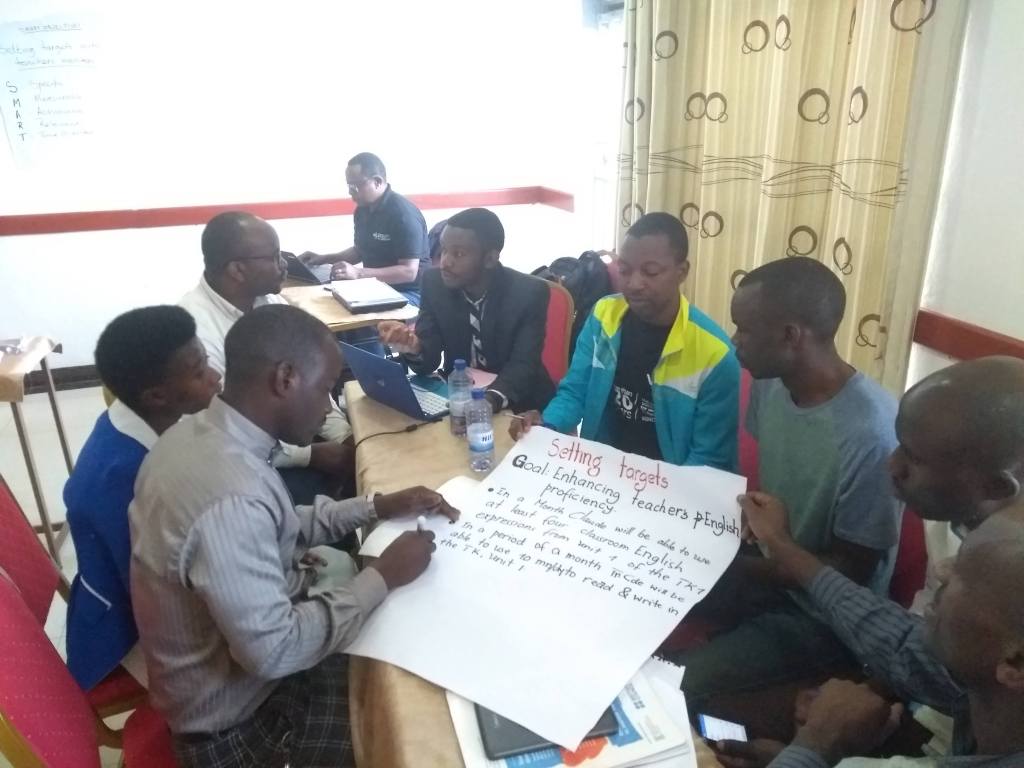
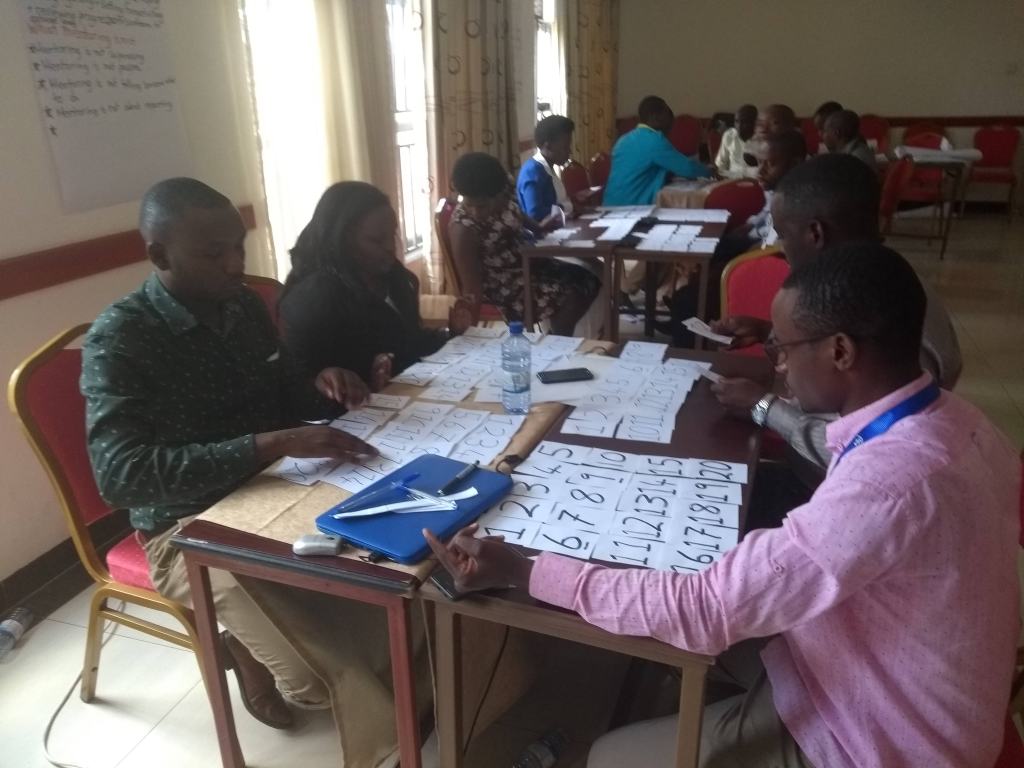
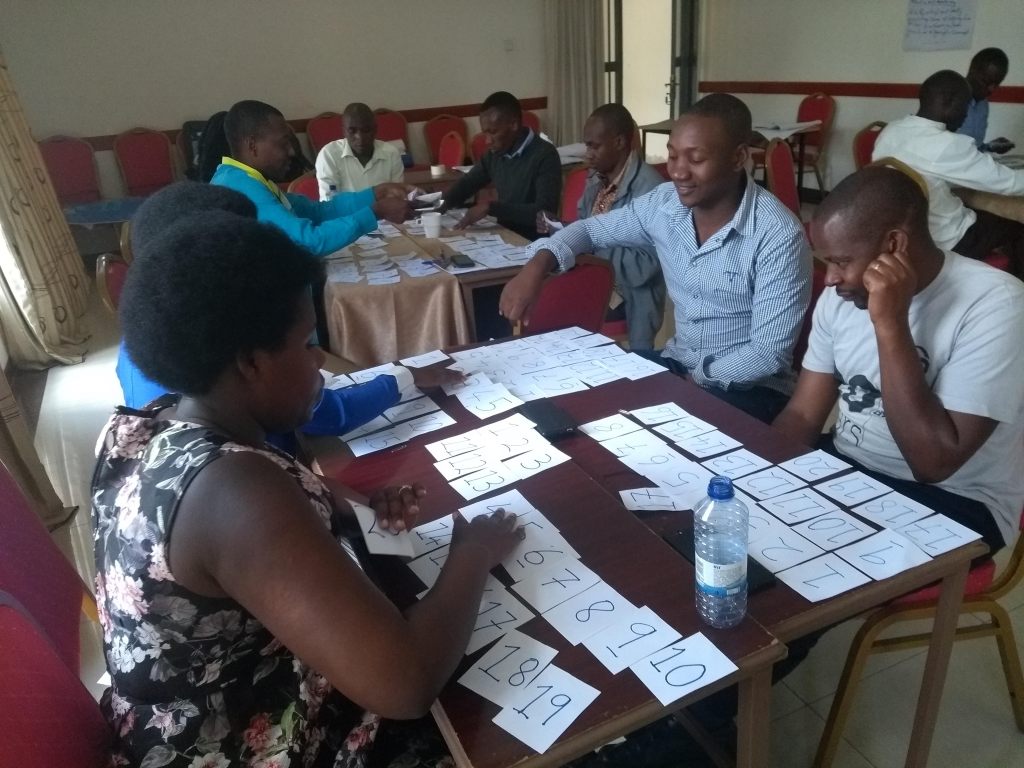
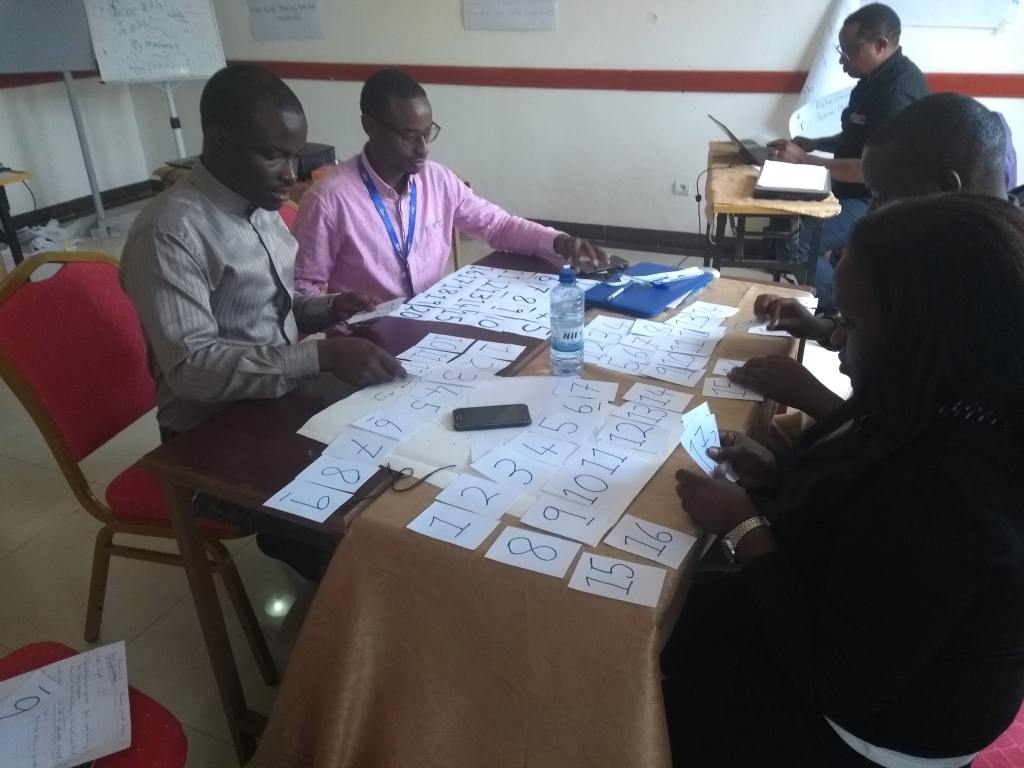
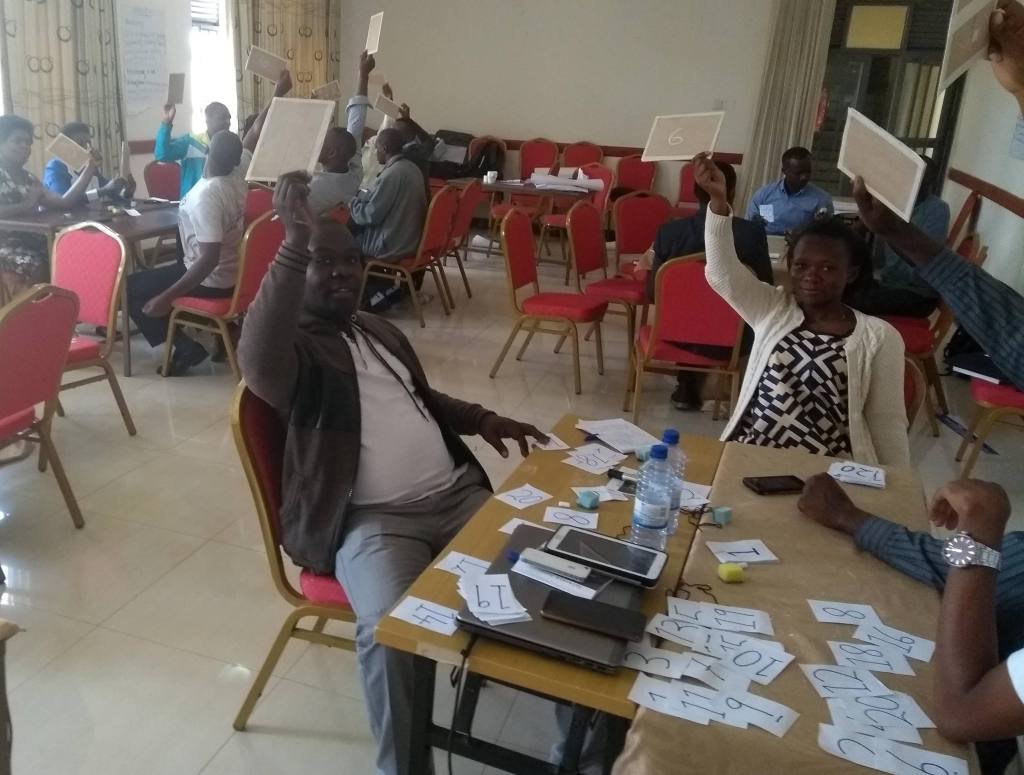
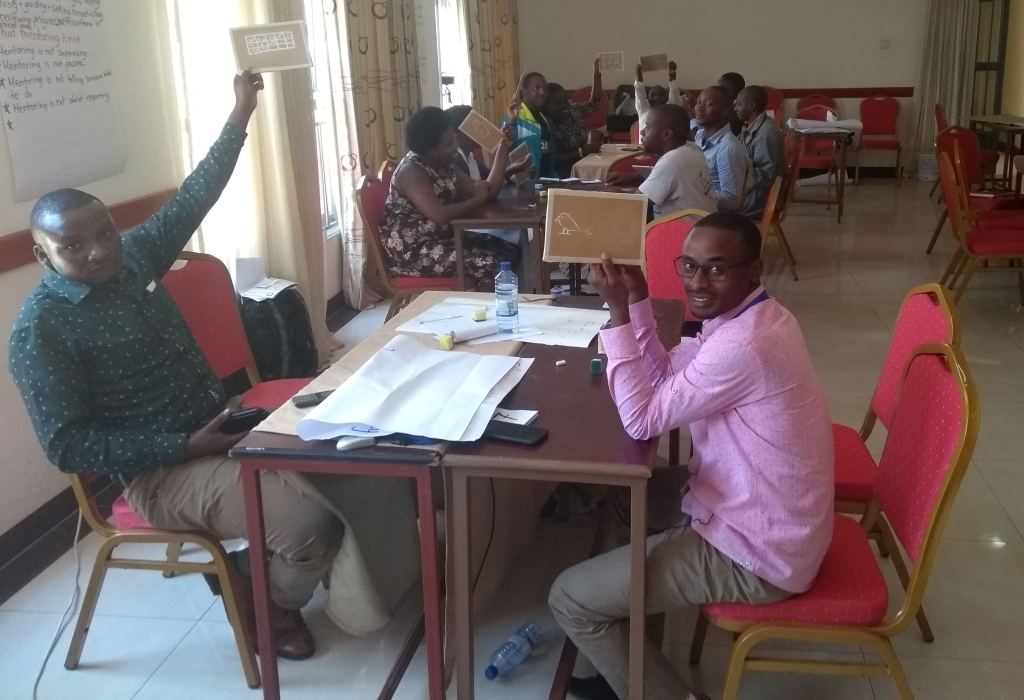
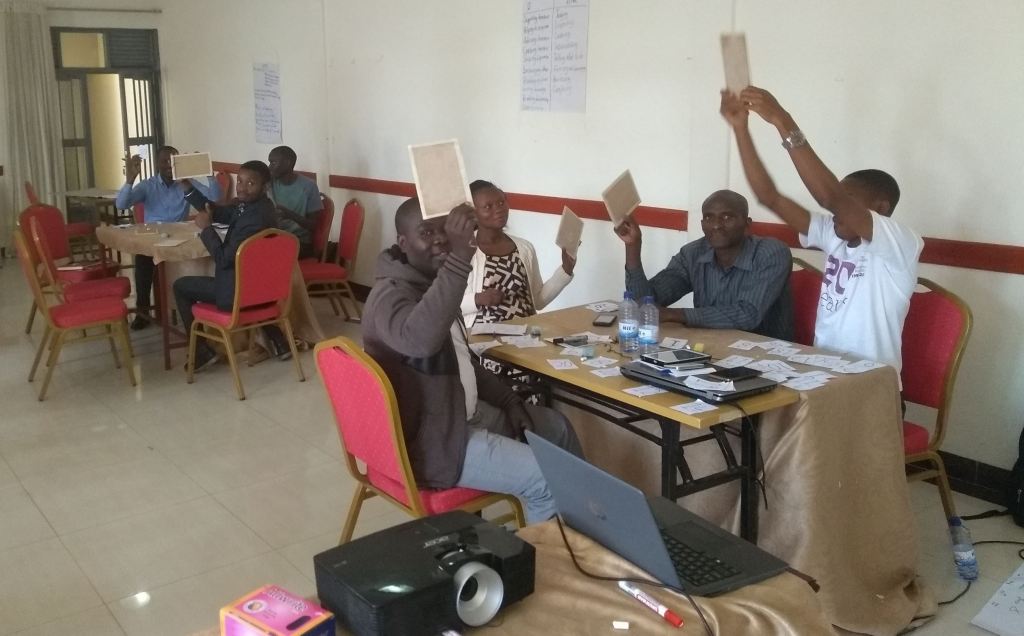
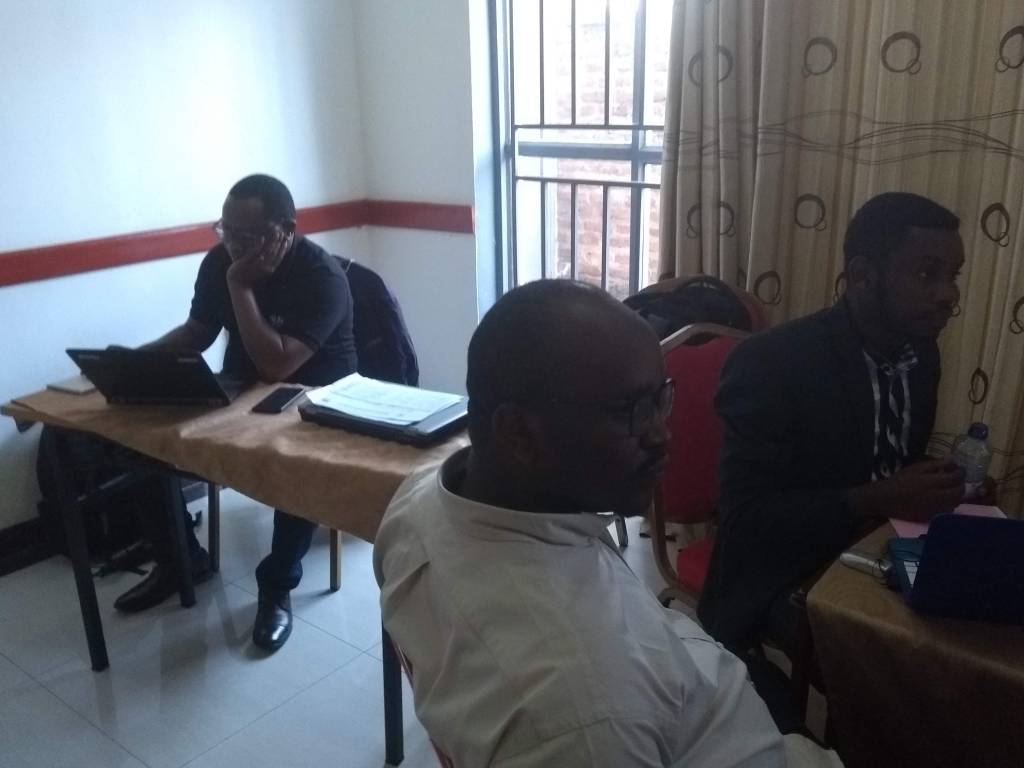
Three days of training activities.

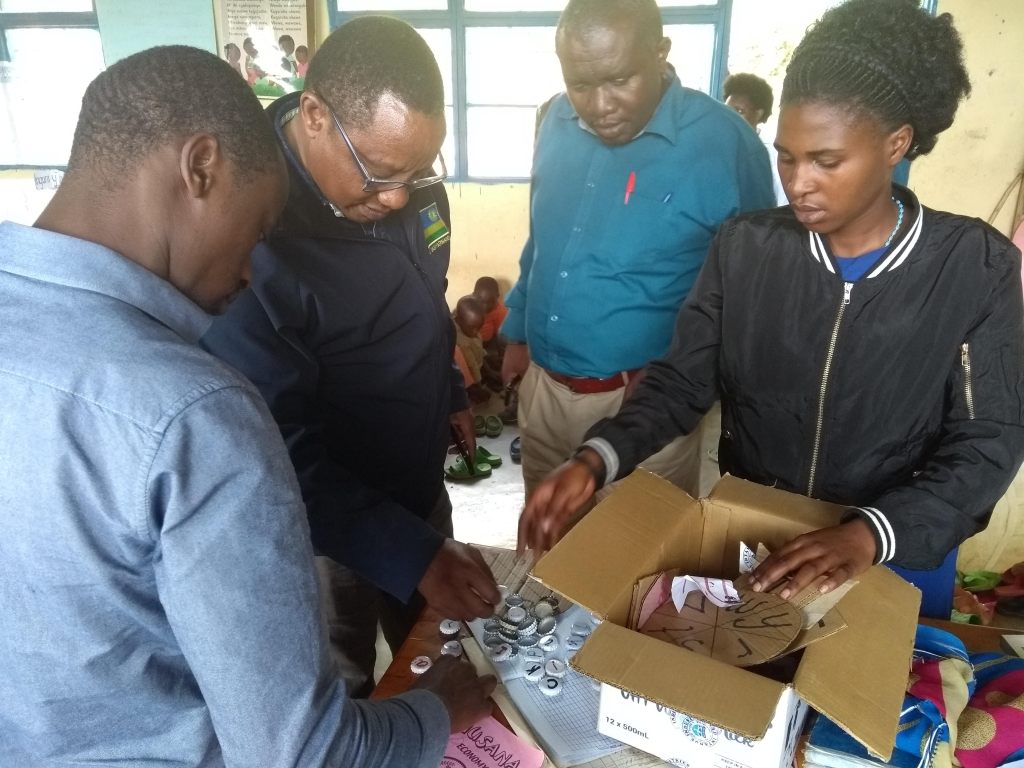
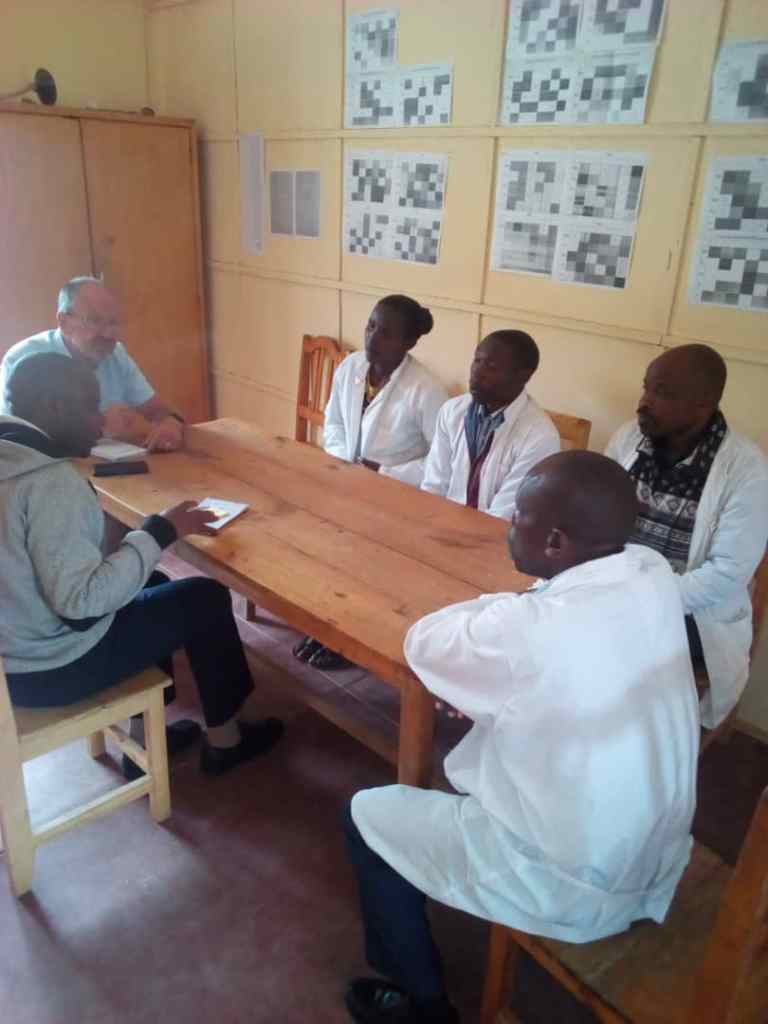
Sector Learning Facilities (SLFs) in my mentoring team are fortunate to get large amounts of training, especially at this time of the year, as the teachers are supervising exams. My District Education Manager (DEM) has facilitated for me to lead 3 days each week of training during the holidays with 2 days of 1:1 mentoring.

Its gradual process, getting them all fully engaged,. Baby steps. I discovered that their VSO living allowance is significantly more money than a class teacher receives, so they are not all bought into the VSO mission!
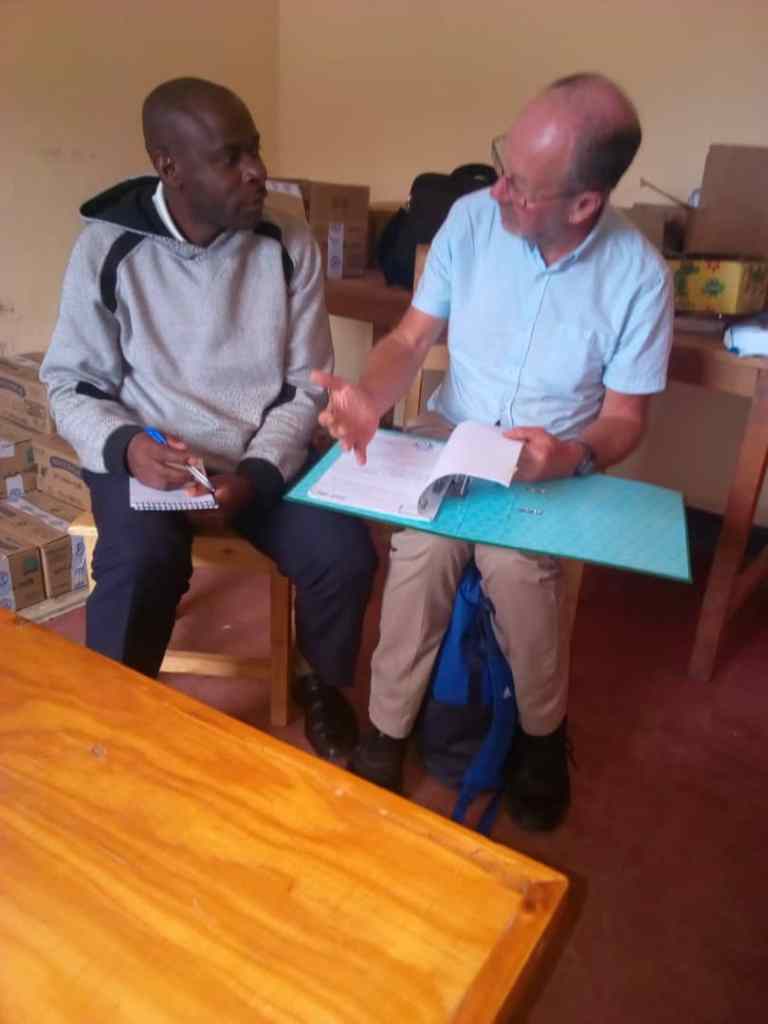
My Manager (left) came all the way from Kigali to support the group activities
(and enjoy the hotel meals).

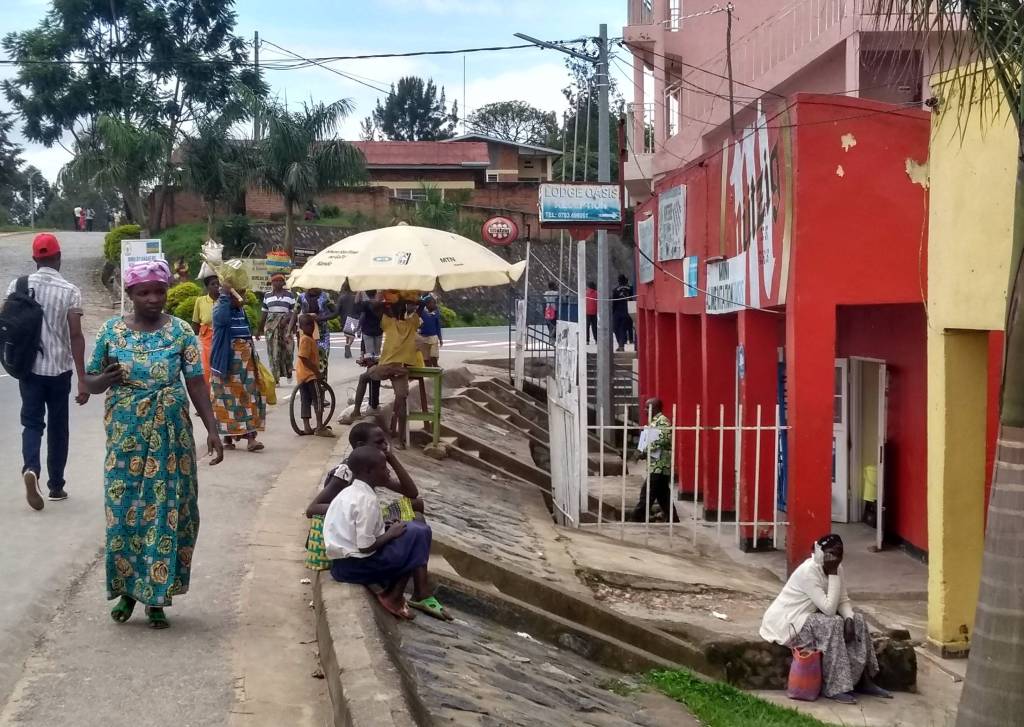
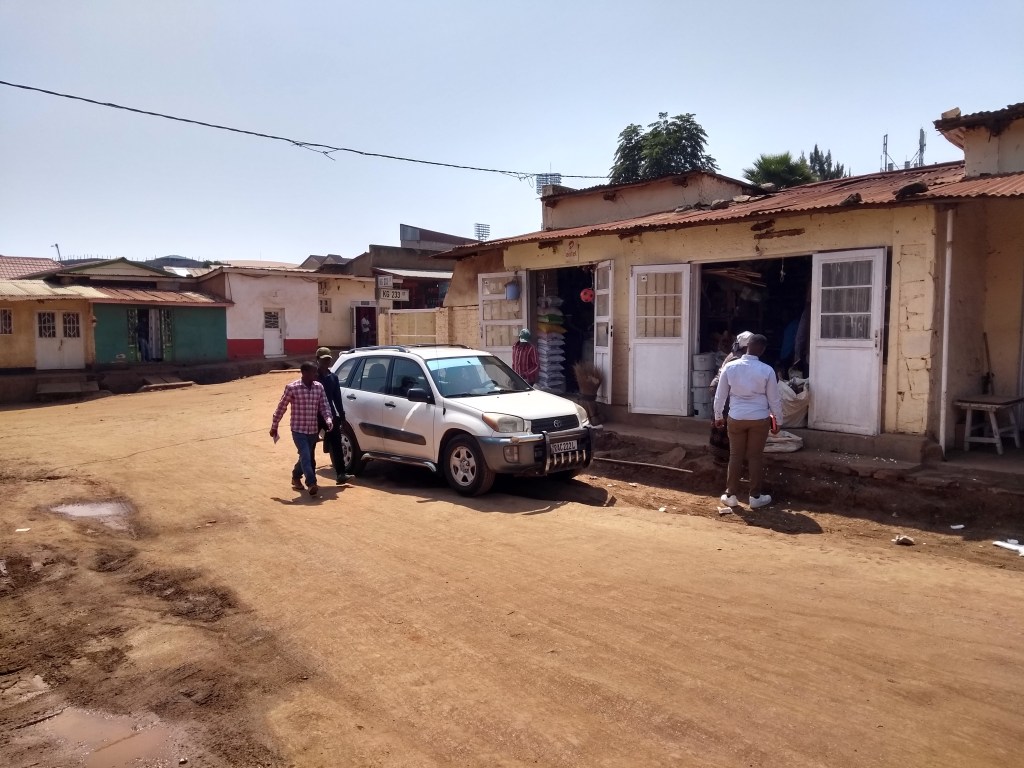
A trip to the market in Ngororero

The market is my best hope of varying my diet and finding basic household items.

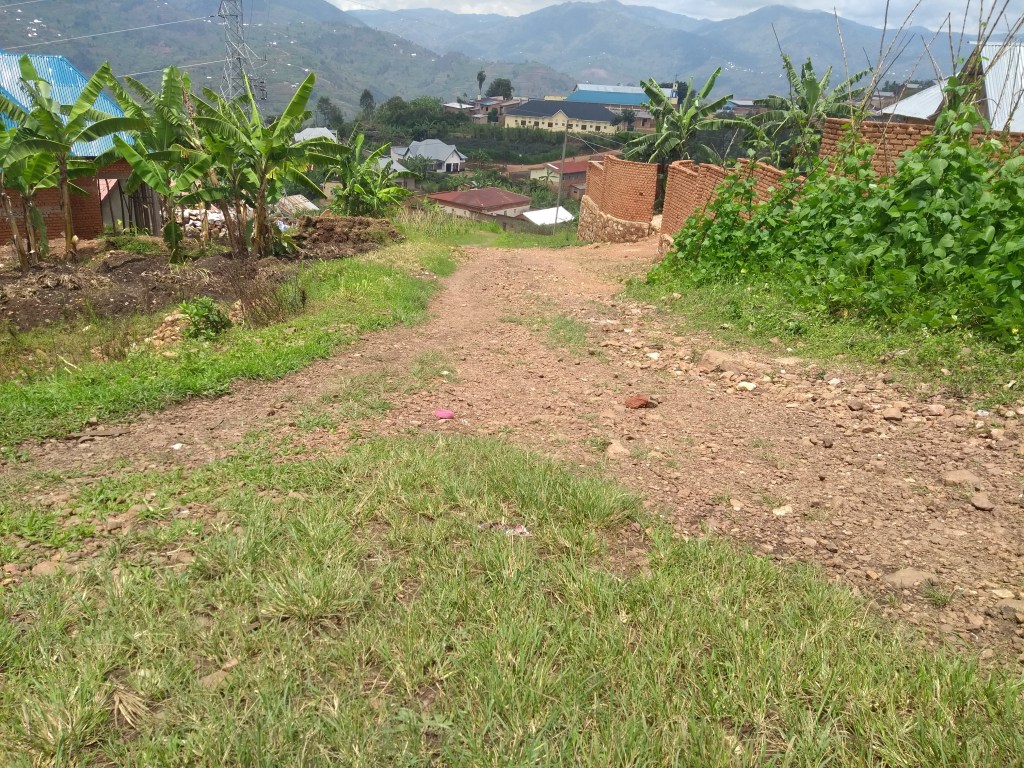
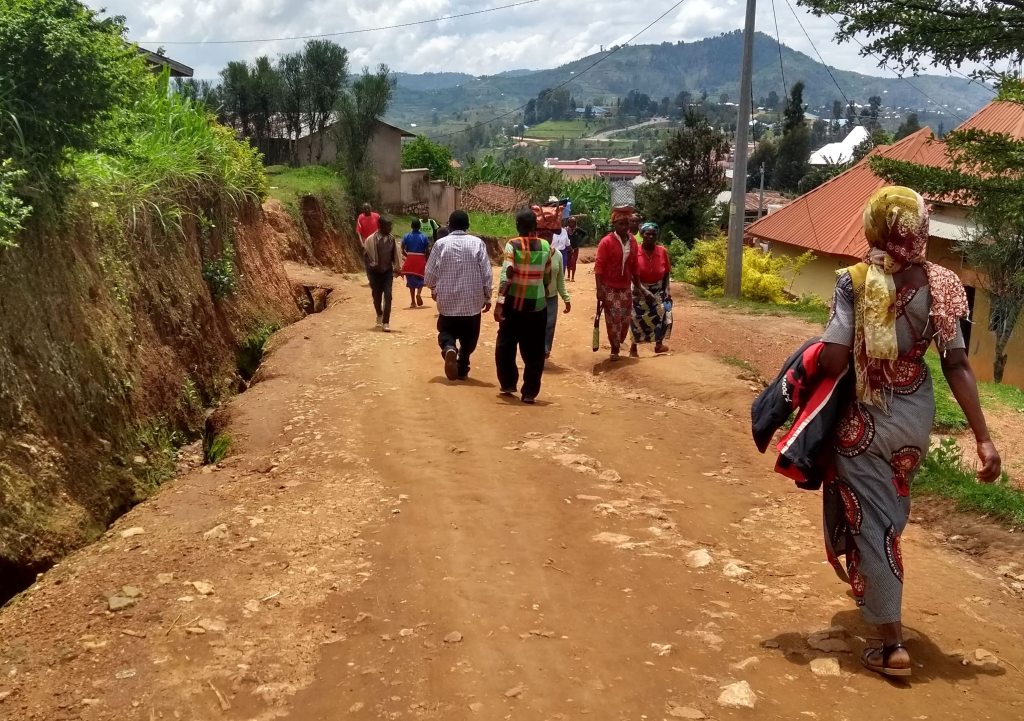
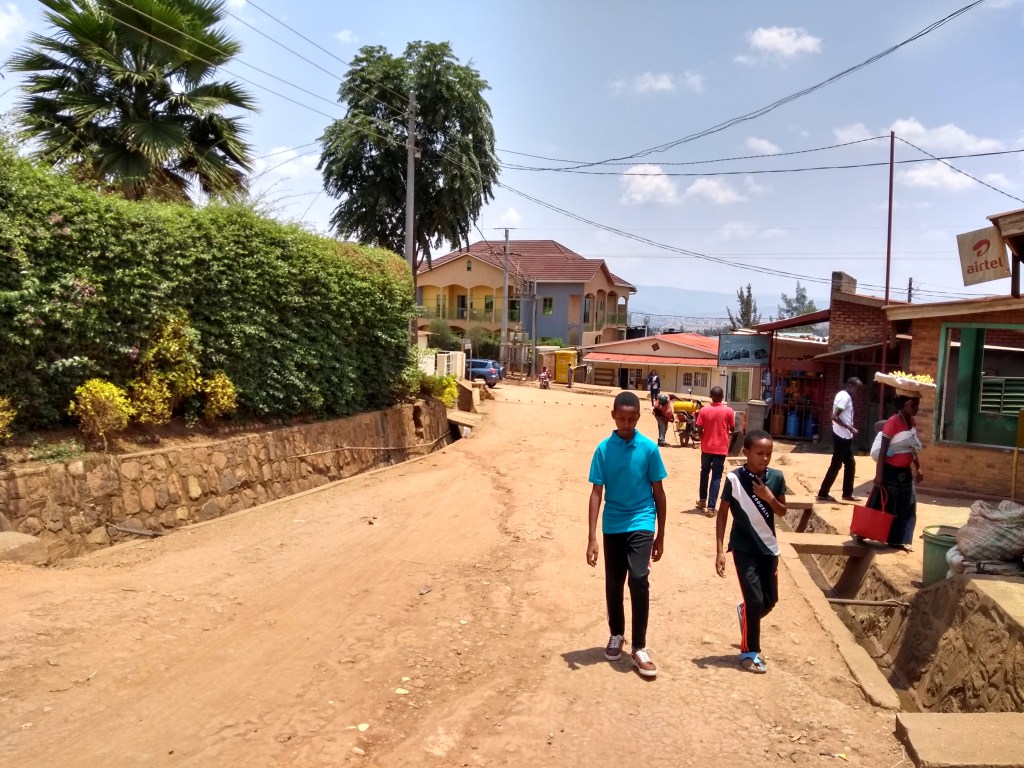
From my house it is a steep downhill walk for 1 km to reach Ngororero.
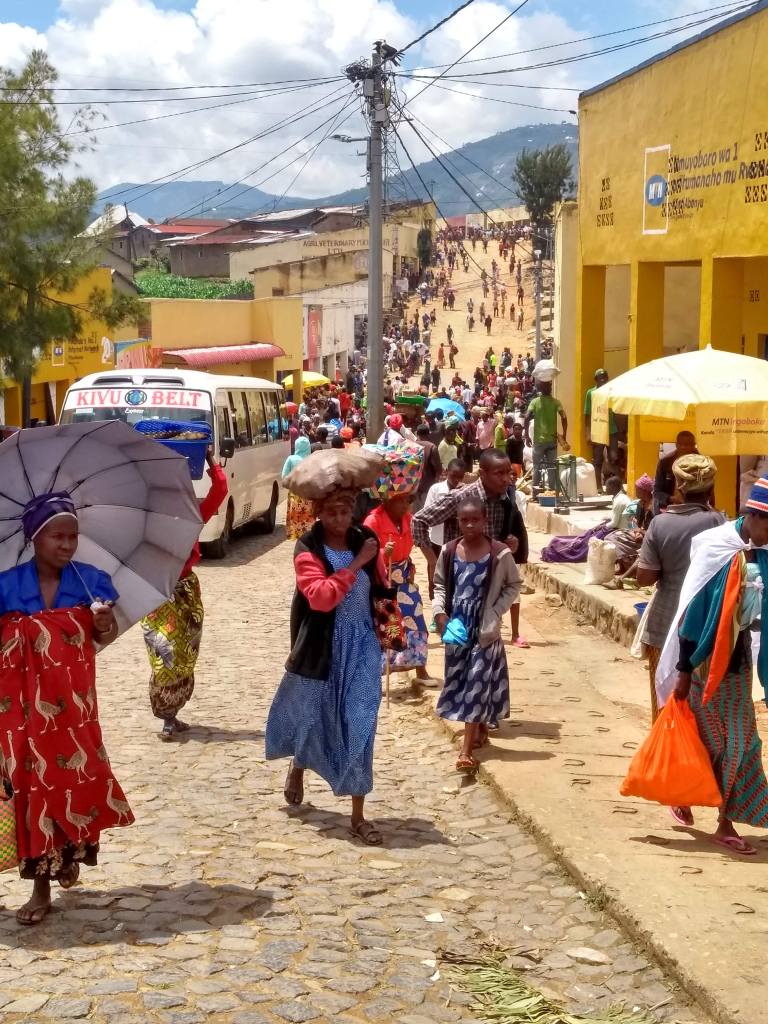
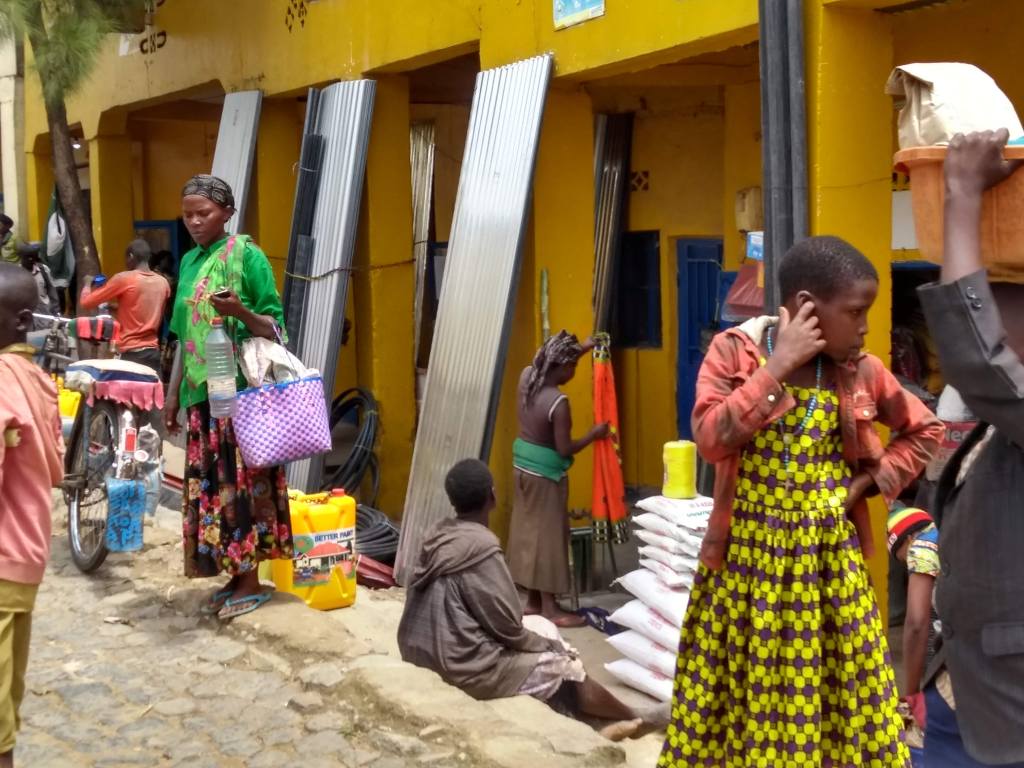
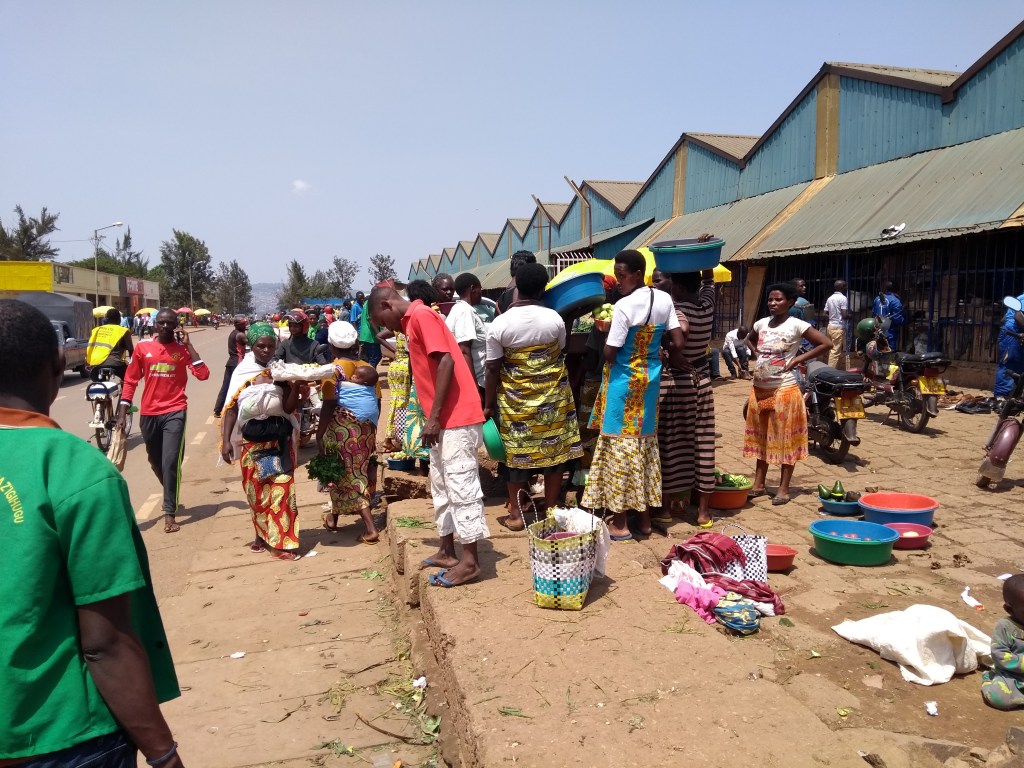
‘On foot’ is the transport of convenience. Rwandans (particularly the ladies) dress with style!
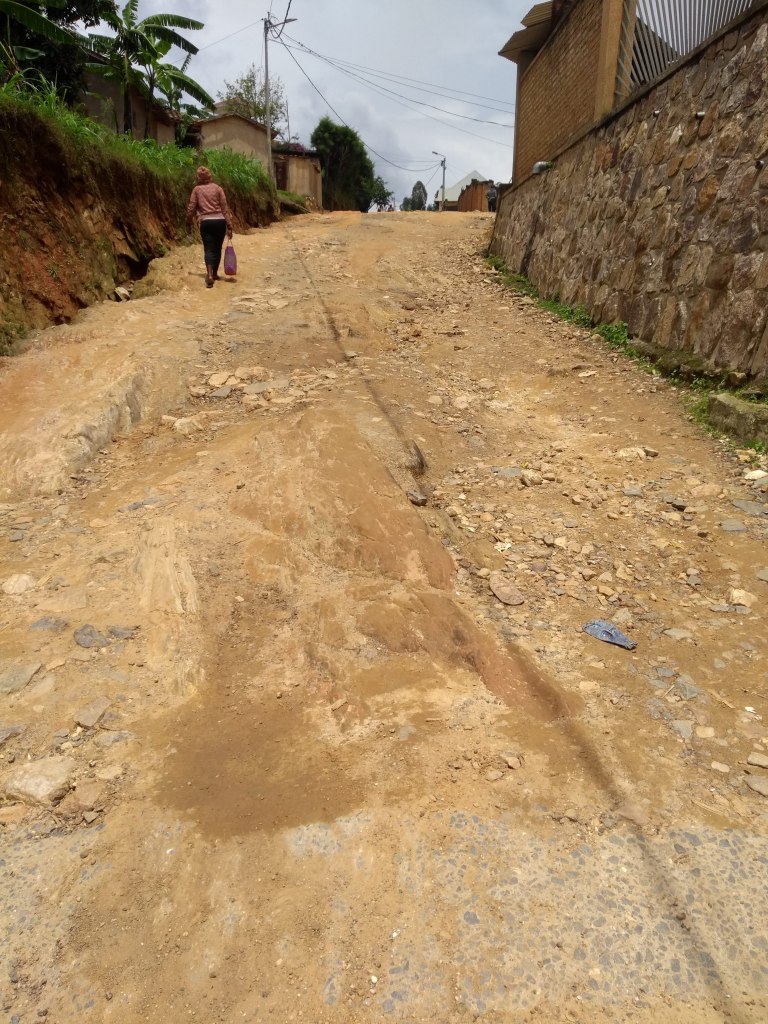
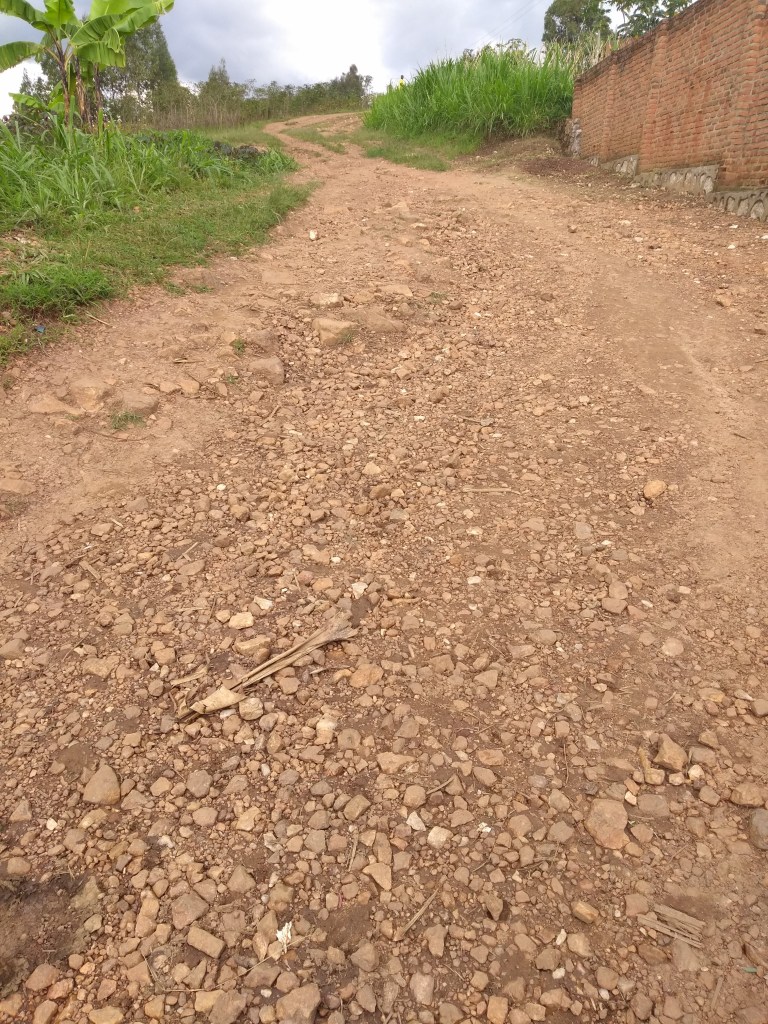
The road to my house is a challenge, even for a motorbike.
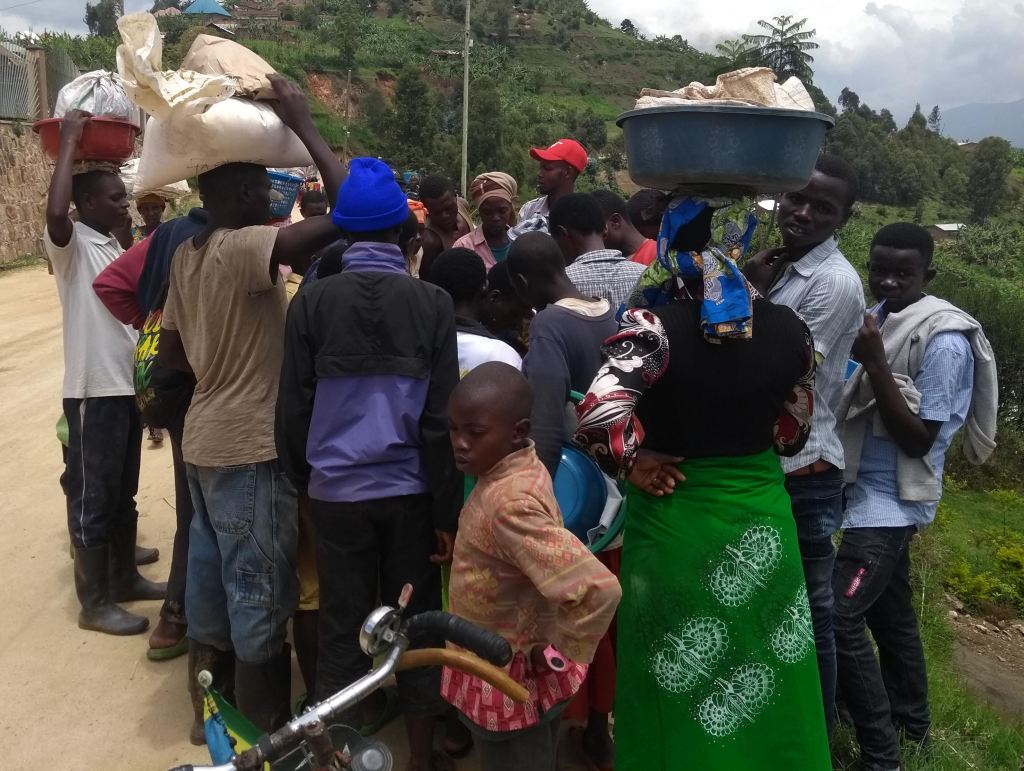
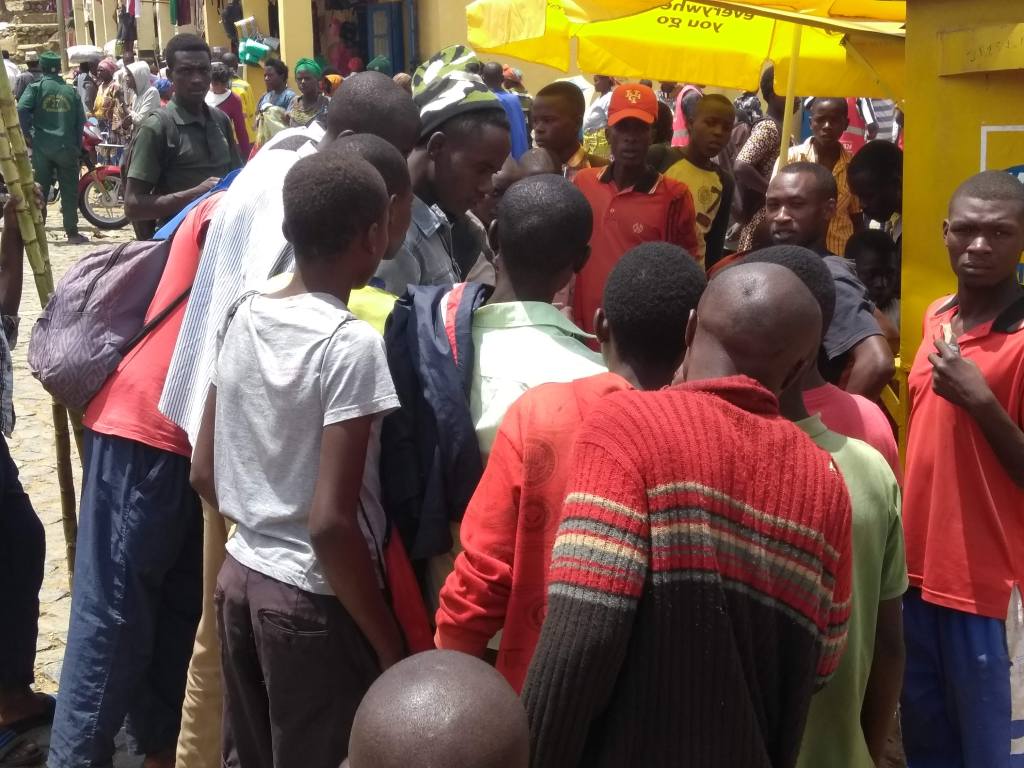
This group of eager Rwandans are having a flutter. The vendor has 30-40 SIM cards with varying amounts of mobile money loaded. All cost 500 RWF but can have as much as 10,000 loaded on them.
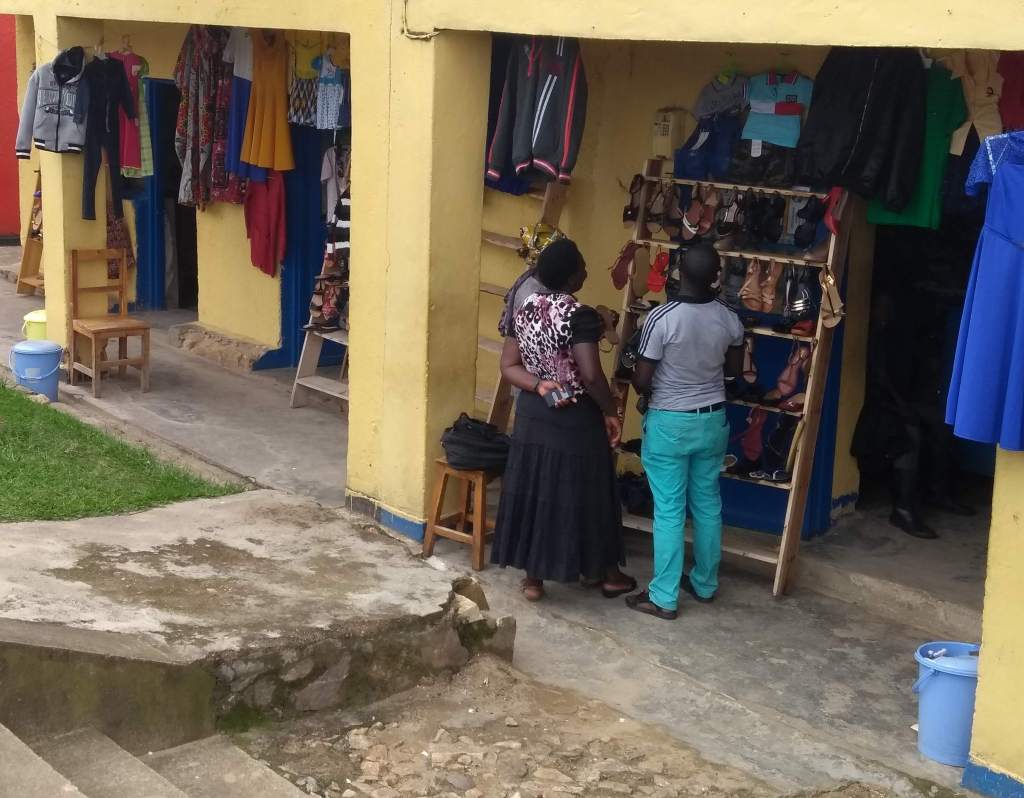
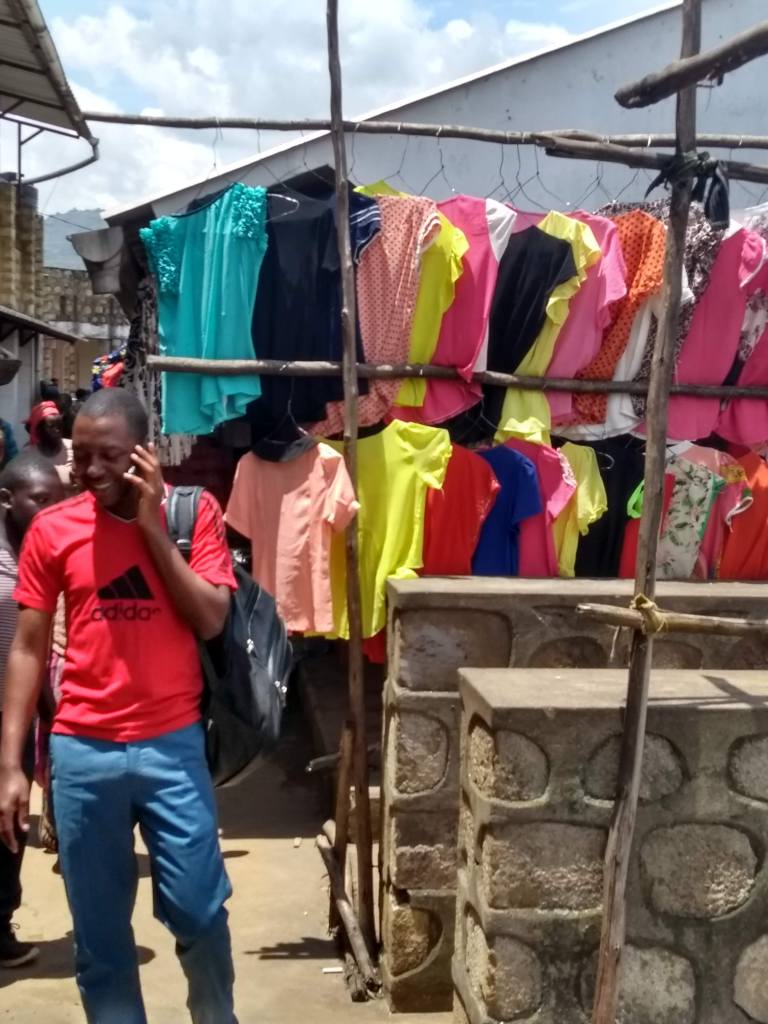
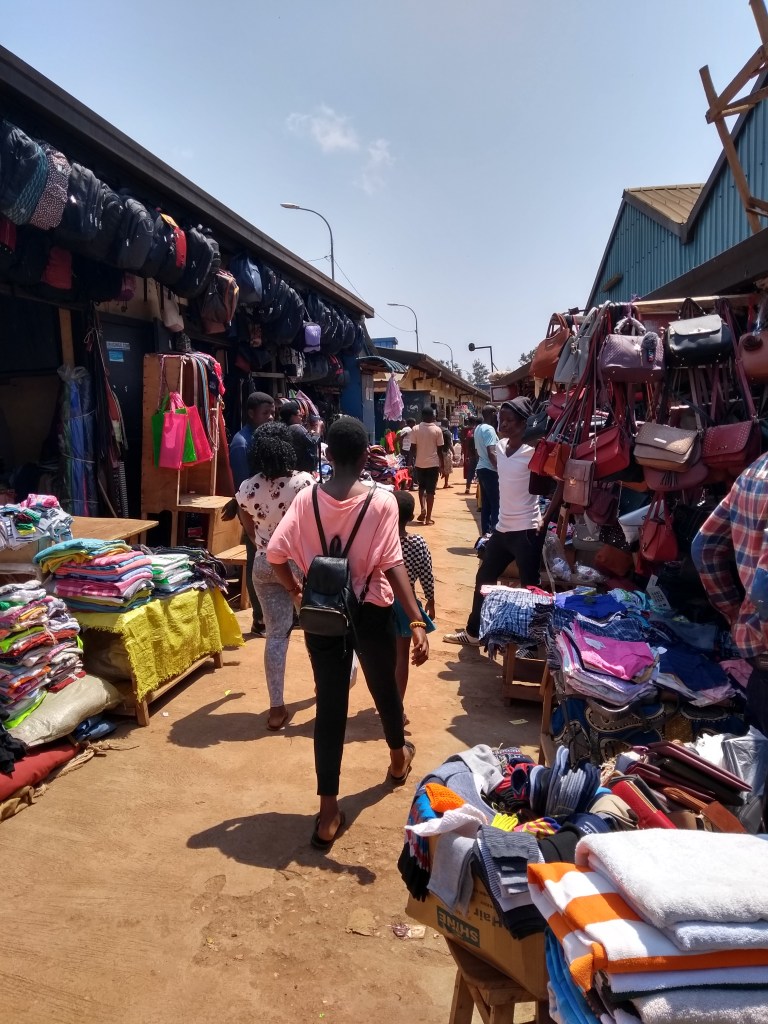
Clothes shops. Bright colours and good value. Shirts for 5000 RWF (£5) and dresses for 15000 RWF (£15) but don;t forget to barter.
The national pass-time in Rwanda is sitting.
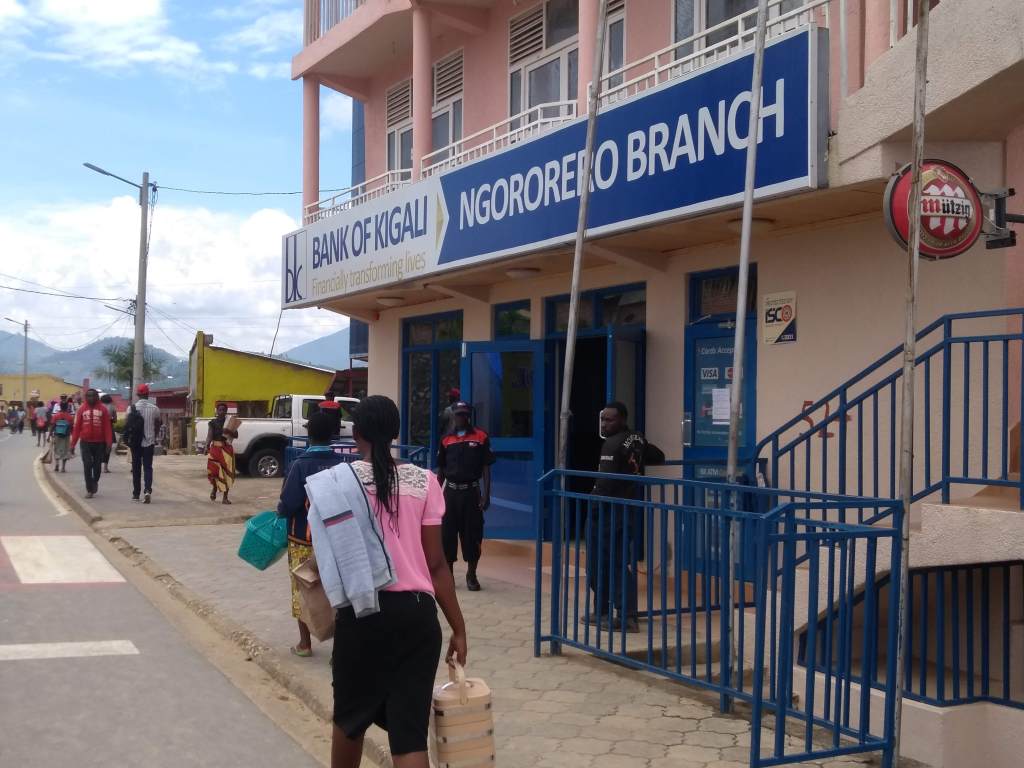
There is a bank (thank goodness). I am on first name terms with the Manager. He has been so helpful.
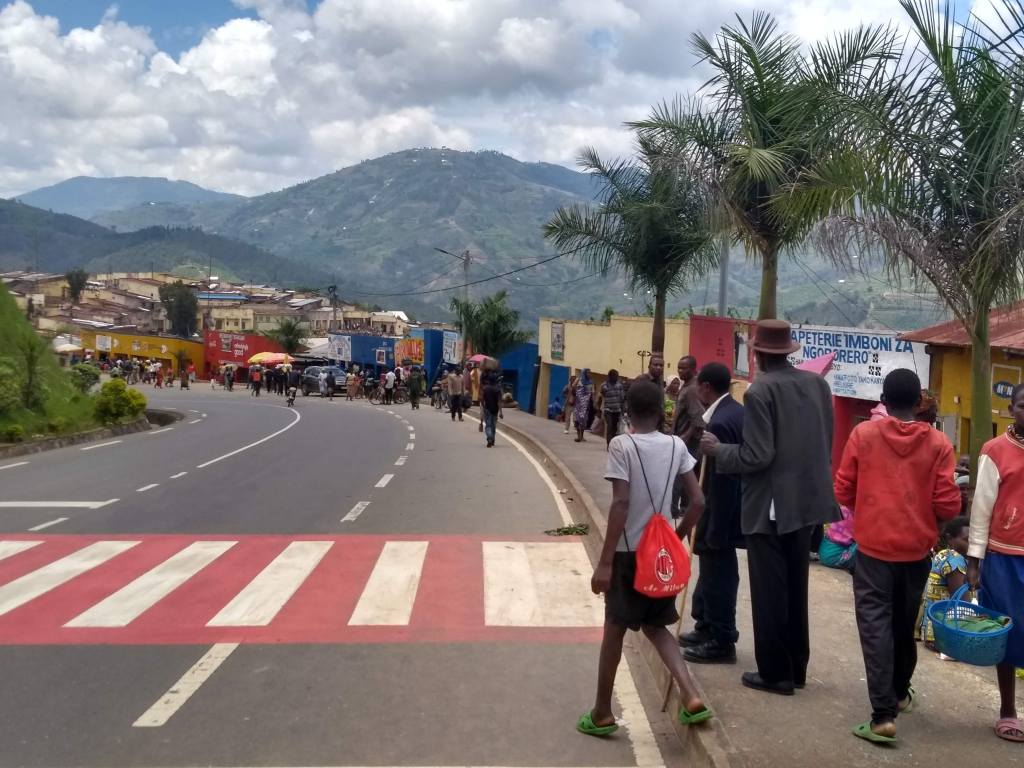
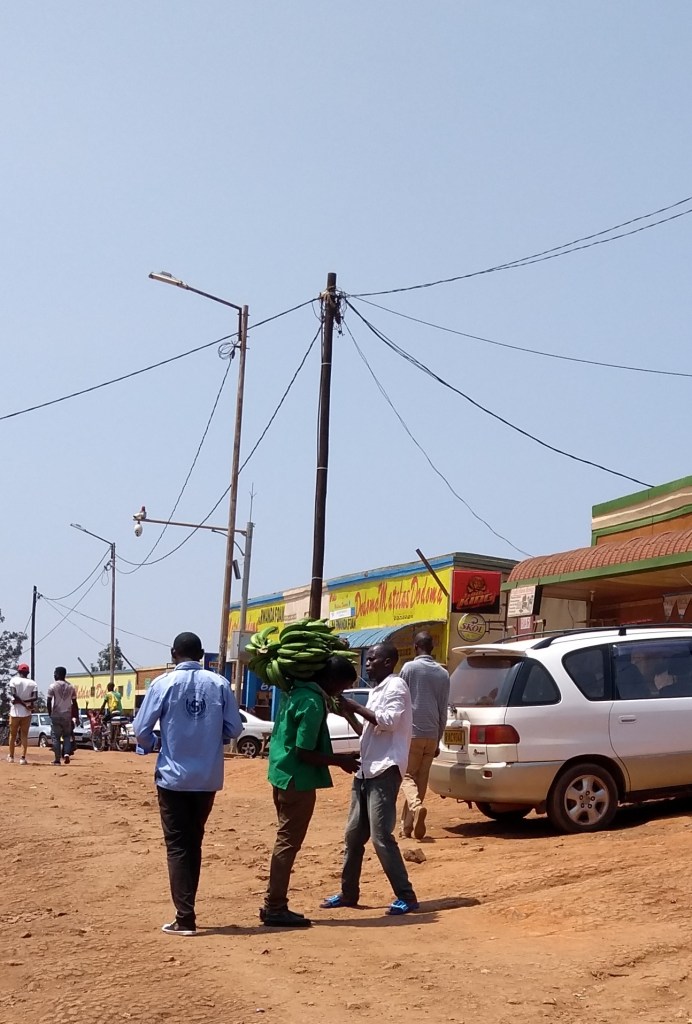
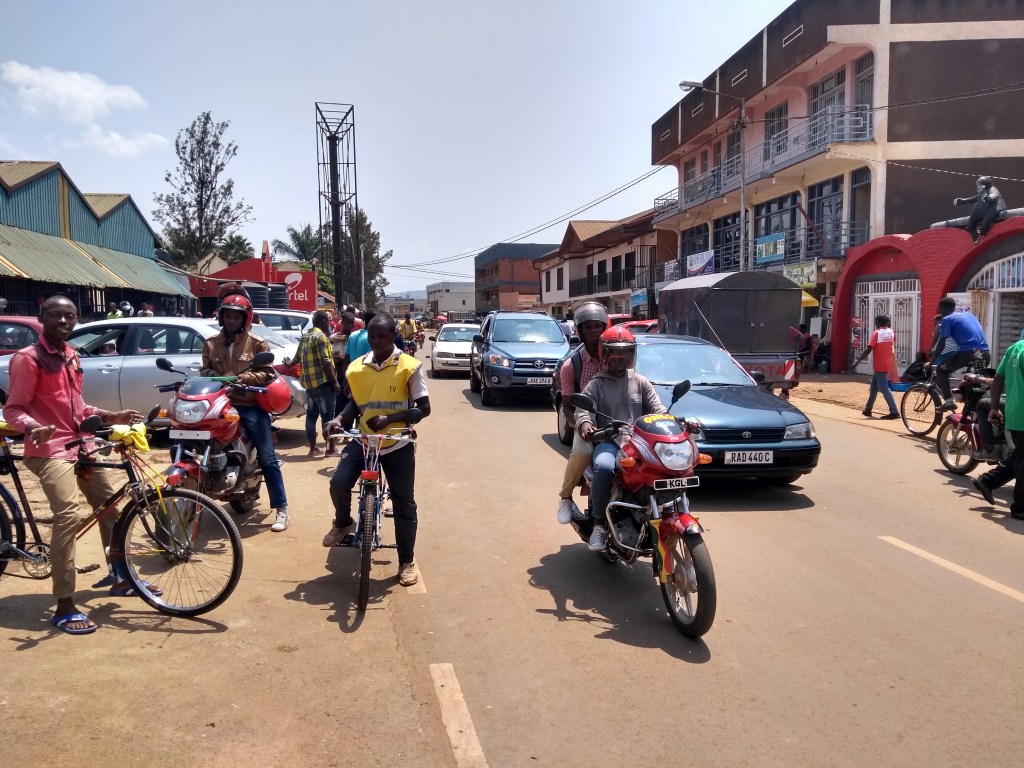
Norororero high street. If the Beatles were to use this crossing they might need to move swiftly few buses or motorbikes actually stop.
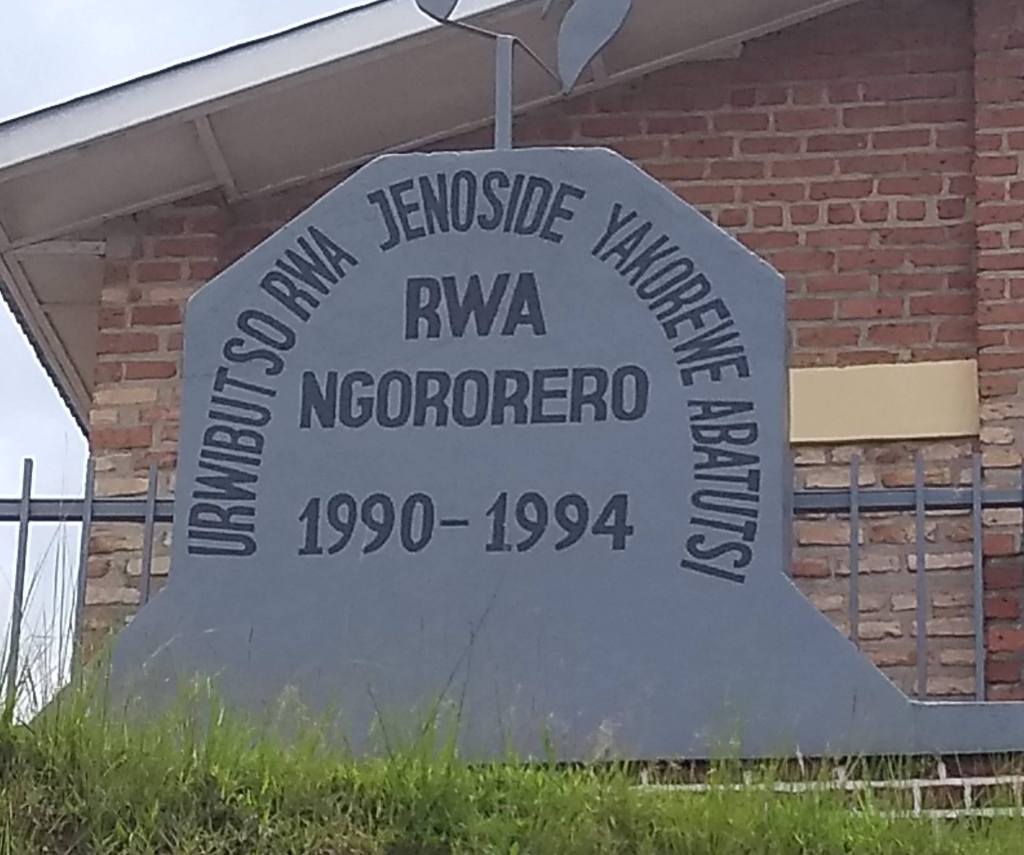
Every town in Rwanda has a memorial to the Genocide. They have done an amazing job of moving on from the tragedy but it is still an open wound for many!
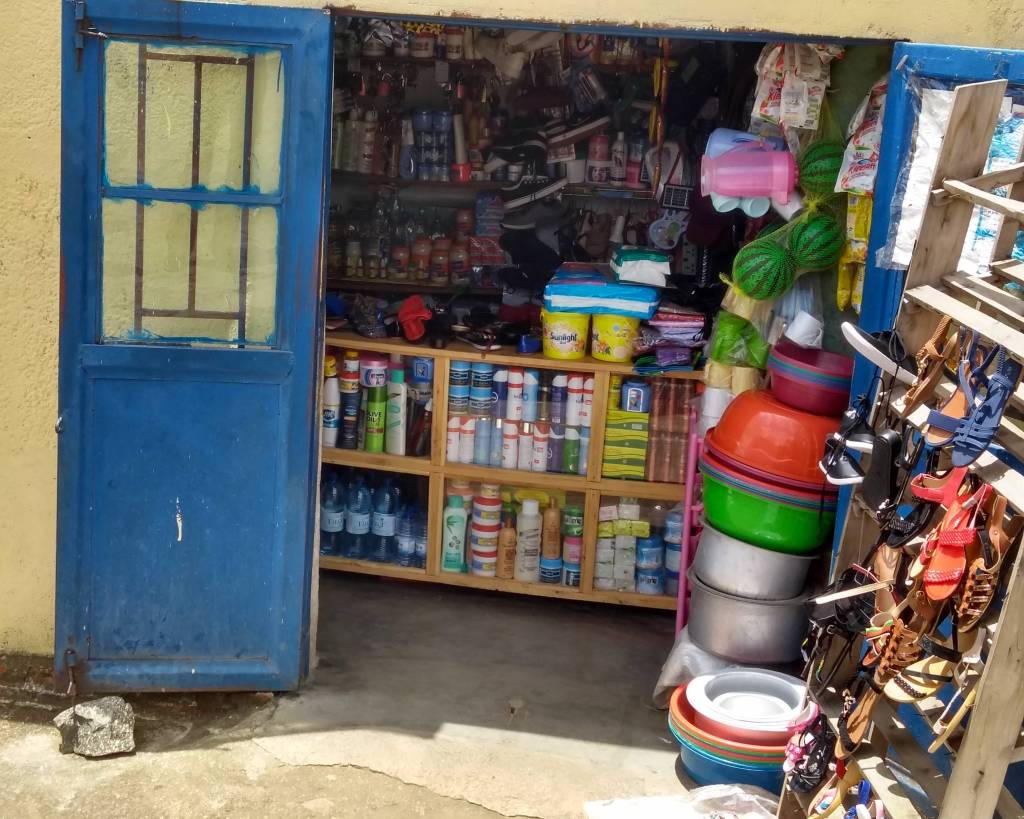
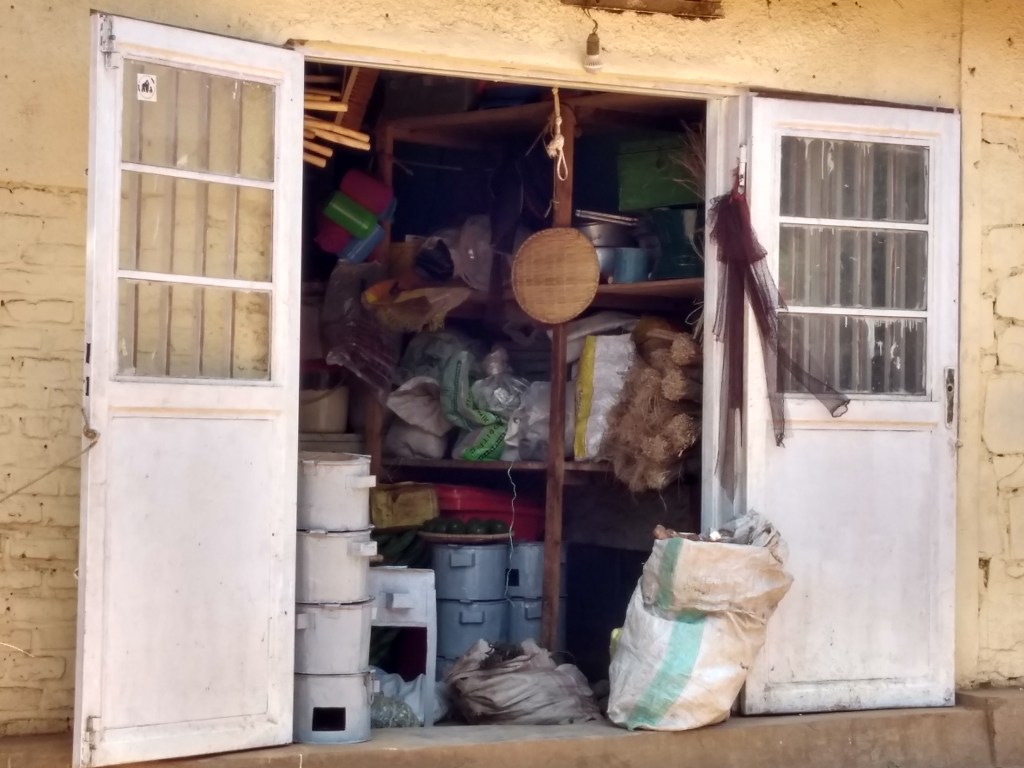
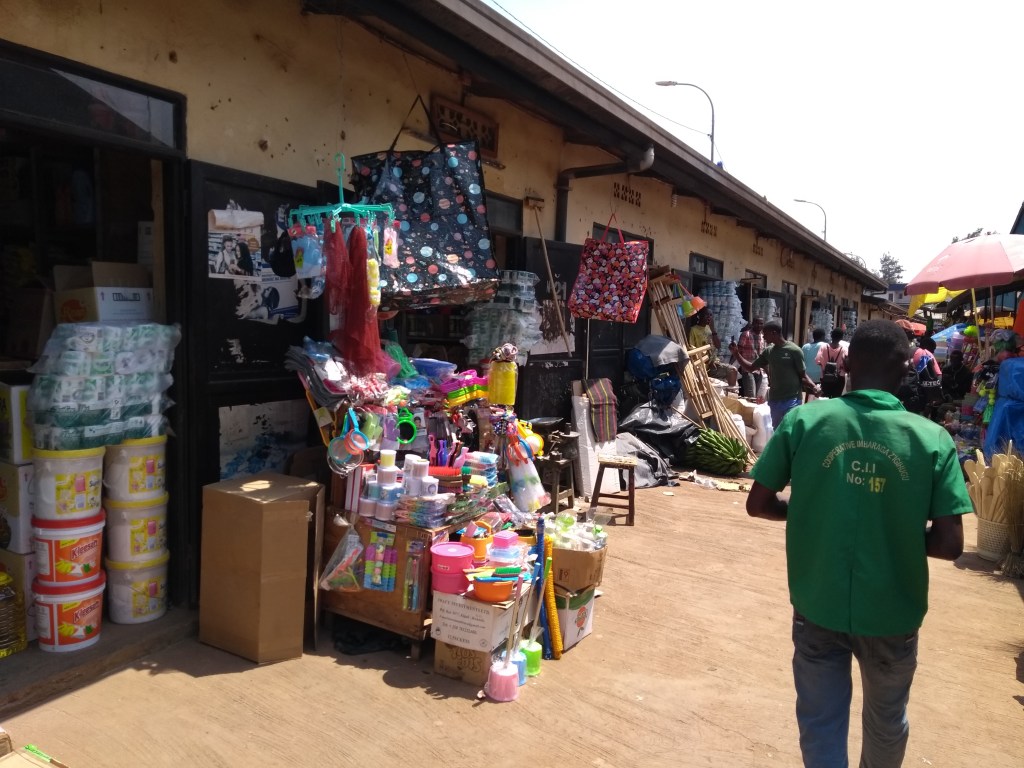
One of several homeware stores.
The town is bustling on market day.
Under this rugby scrum is a rare appearance of an electrical apparatus vendor. Music players, irons & kettles. Normally only available 3 hours away in Kigali.
Lovely clothes available. The man in the foreground is the Special Needs Coordinator on my SLF team. A lovely man (with a good grasp of English). He took me on a tour of the market.
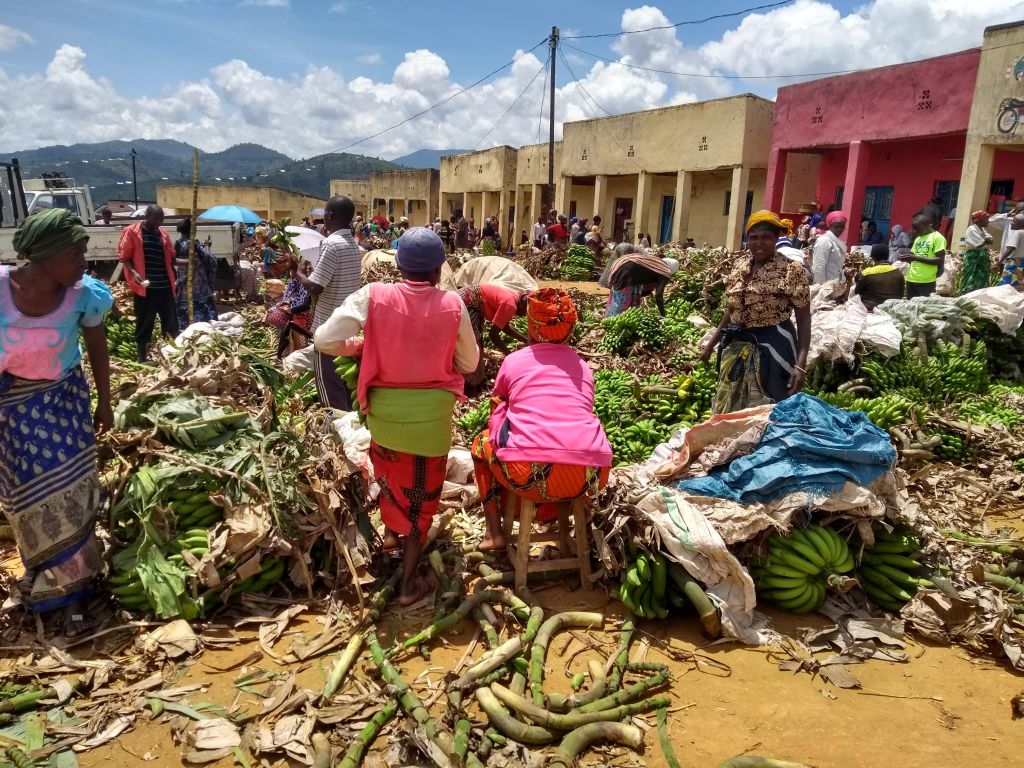
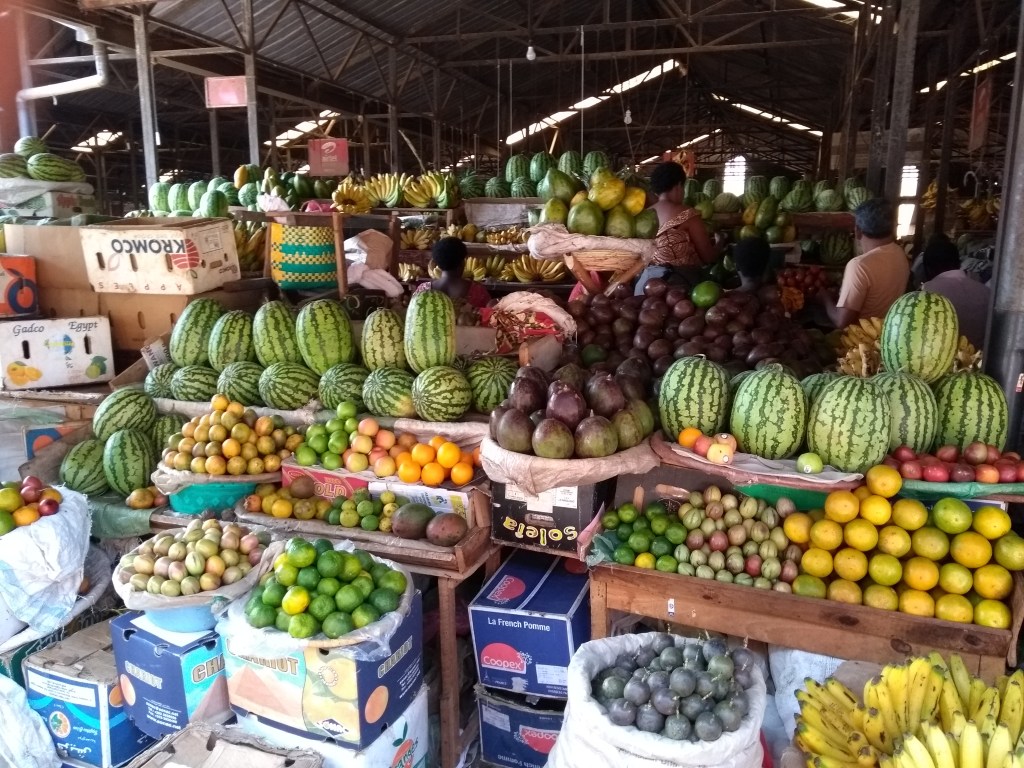
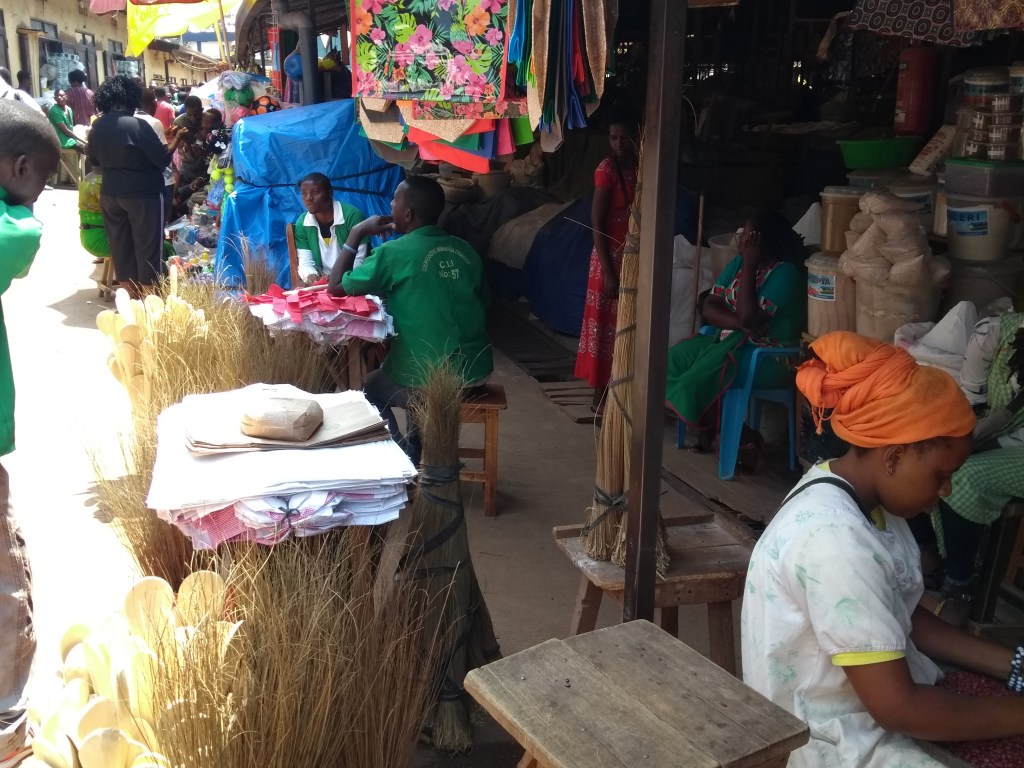
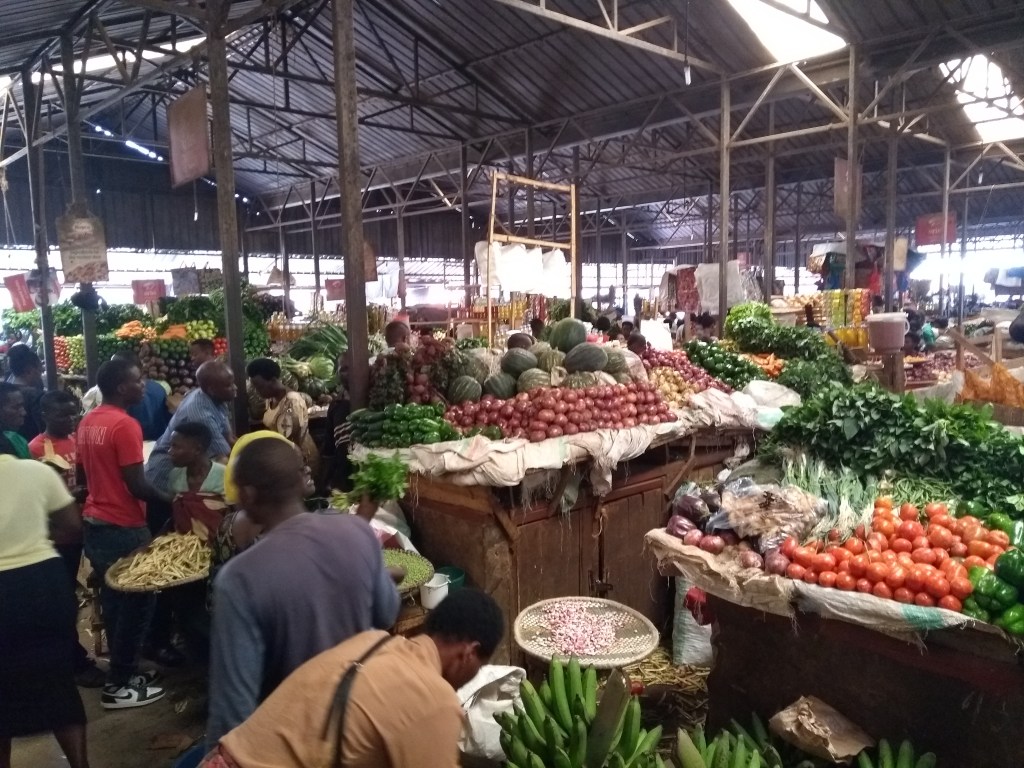
This is the ‘wholesale market’. Huge amounts of sugar cane, cabbage, potatoes and bananas.
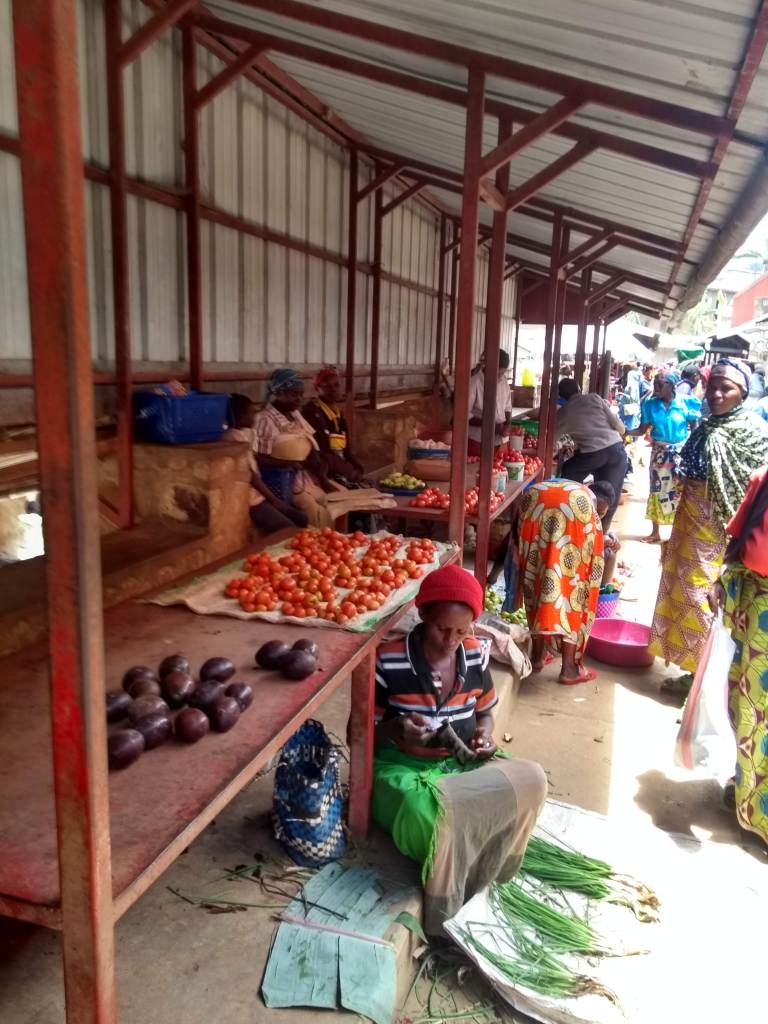
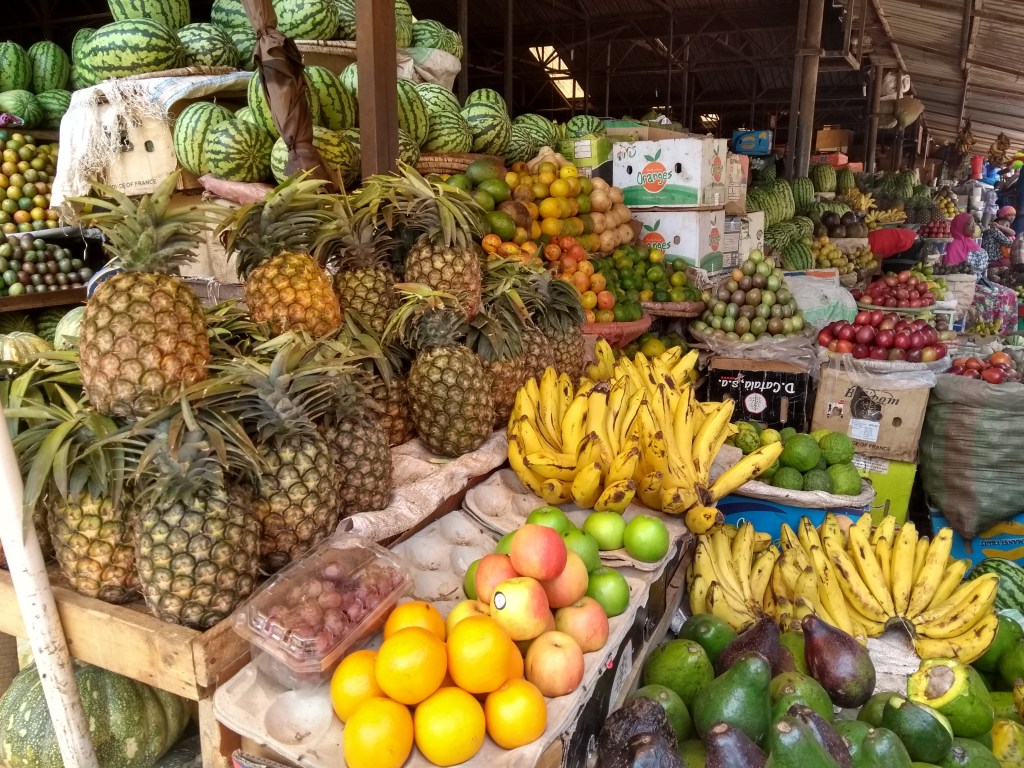
I have found: tomatoes, avocado, green beans, kidney beans, soya flour, beetroot, spring onions, potatoes, cassava, cabbage, onions, pineapple and eggs (there are some meats but they are old and tough) . So that is what I cook meals with unless I take a 3 hour bus journey to Kigali.
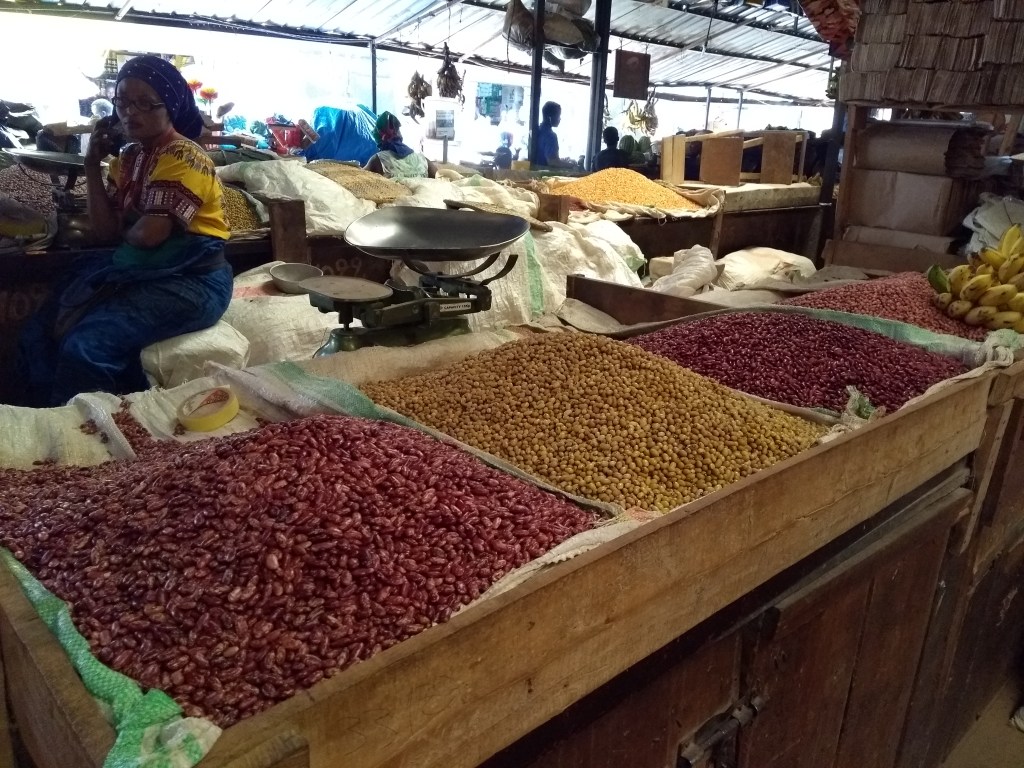
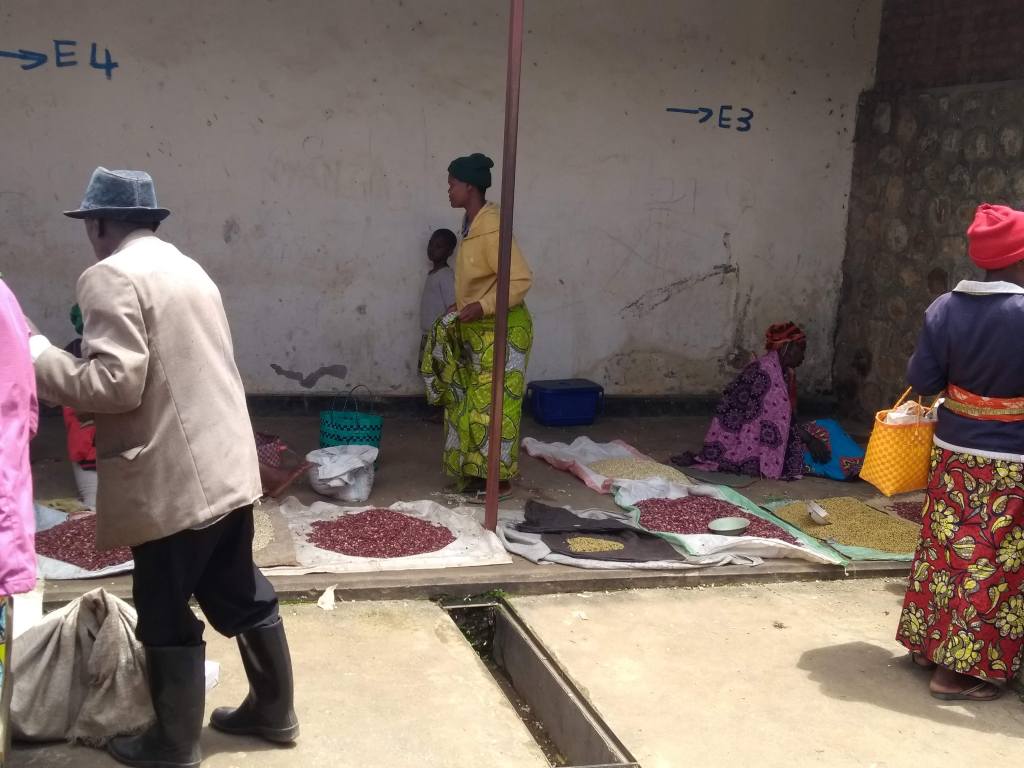
Beans are cheap, plentiful and nutritious but handle with care because there are small stones mixed in. Easy to break a tooth!
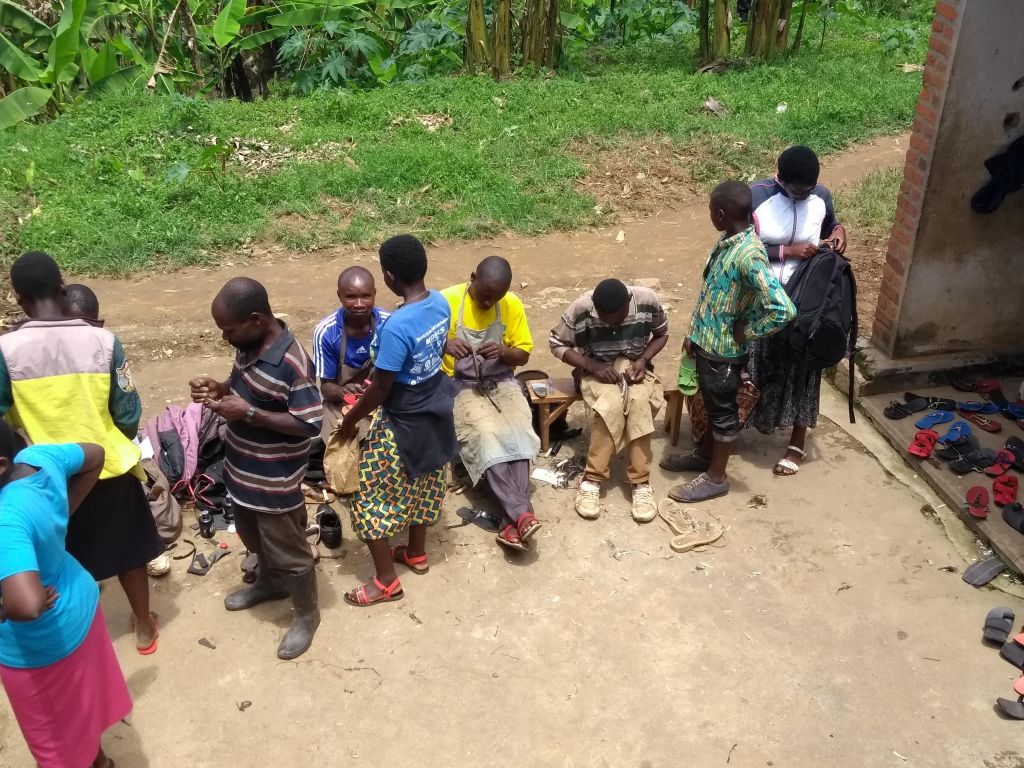
The ‘fix it’ zone. These people will mend clothes, shoes, bicycle parts and pretty much anything you bring.
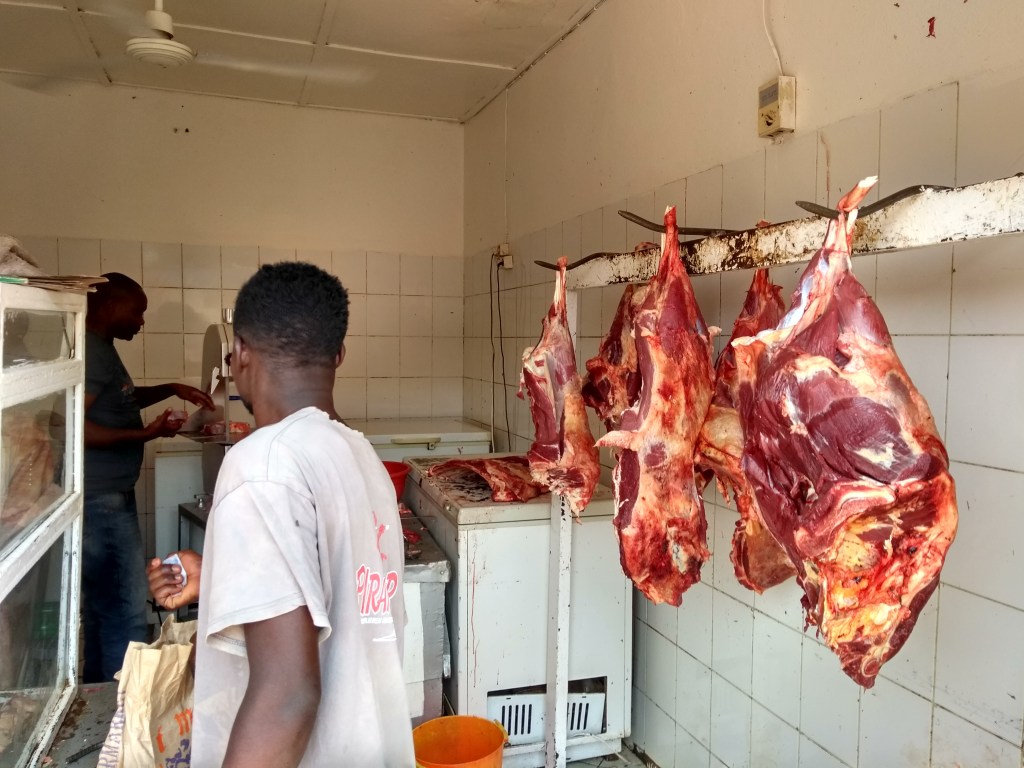
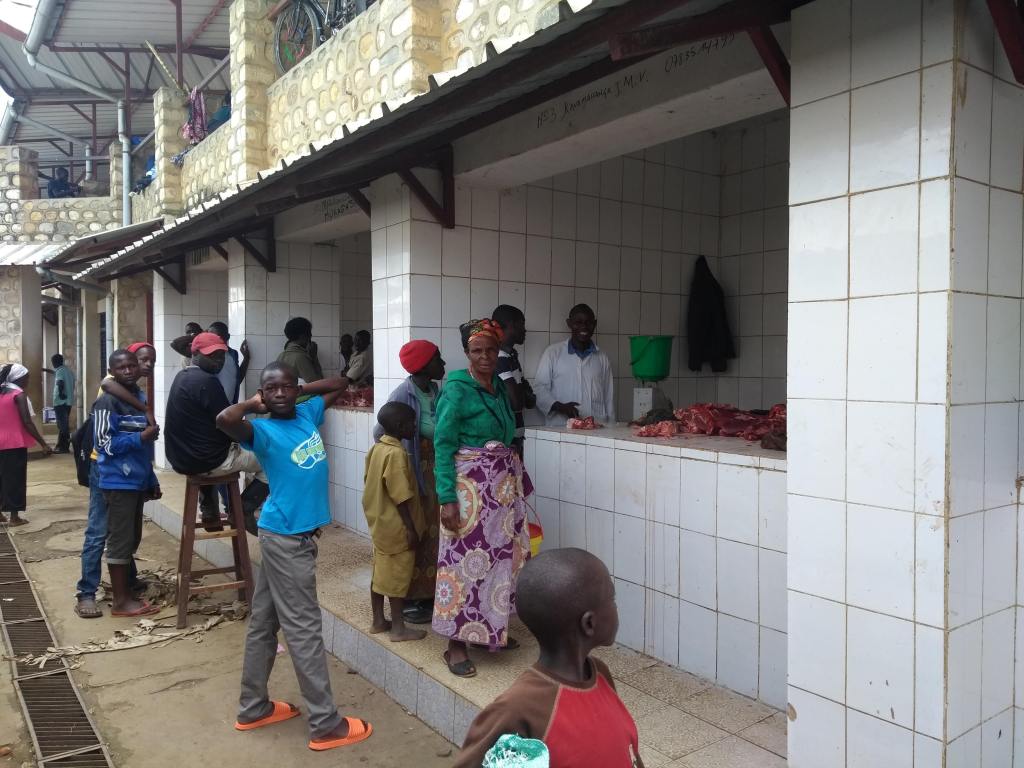
Meat stalls. Despite the white tiles, I am not brave enough to buy, cook and eat meat.
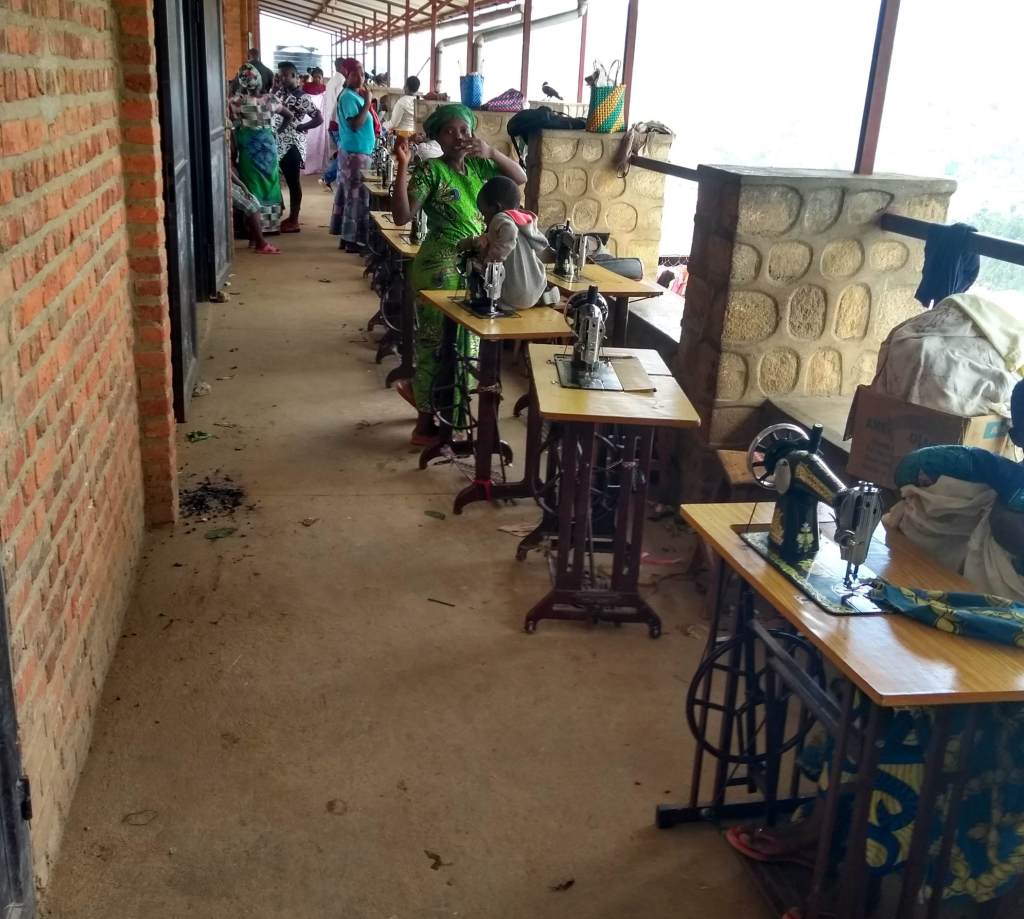
The Sewing shop. Ladies sit here and make clothes to order.
At the market you can even buy new roof panels if your roof springs a leak.
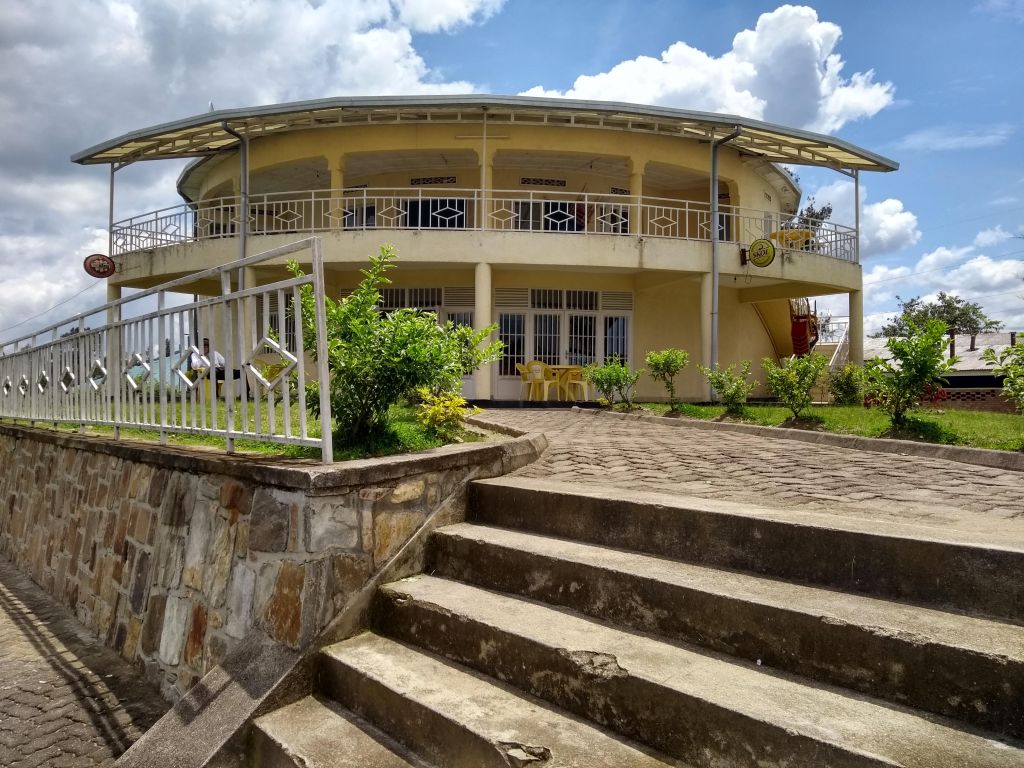
This is the only hotel in Ngororero. They struggle to maintain service. they are known for no running water, limited power, very basic food, low food hygiene standards and dubious characters wandering off the street offering ‘services’. I was much relieved when I was able to check out and move into my home.
Every trip out ends with the long uphill walk home!

A Leading School

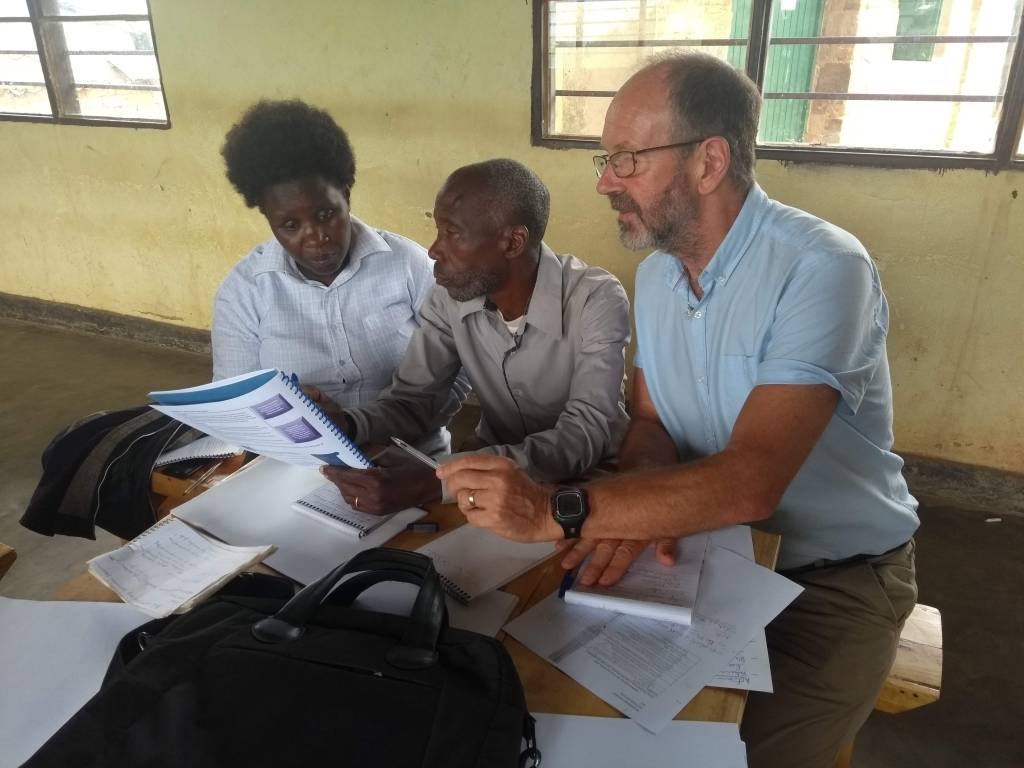
This is a leading school in Rwanda. It is a very large school (500 pupils from 7 to 16 years old). We are here to hold a Professional Learning Community for the local Headteachers. We start by looking at practice across the school.

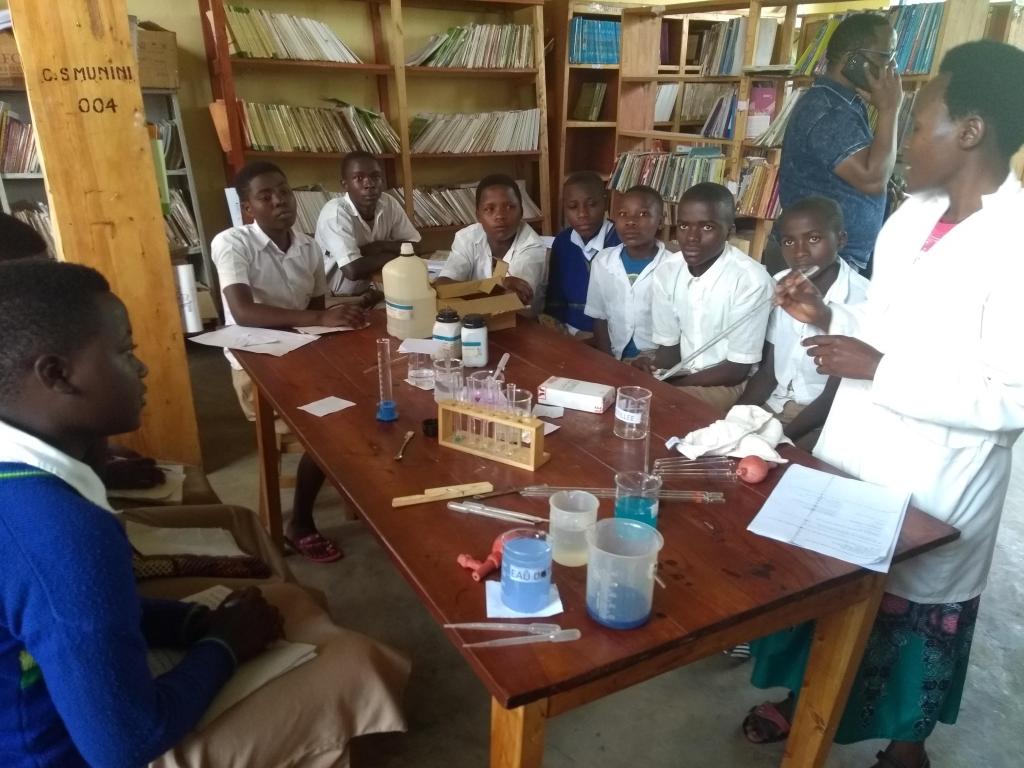
A chemistry lesson in secondary.

It amazes me that, given the low starting points of poor primary outcomes, there is potential for varied, interesting and challenging lessons in secondary.

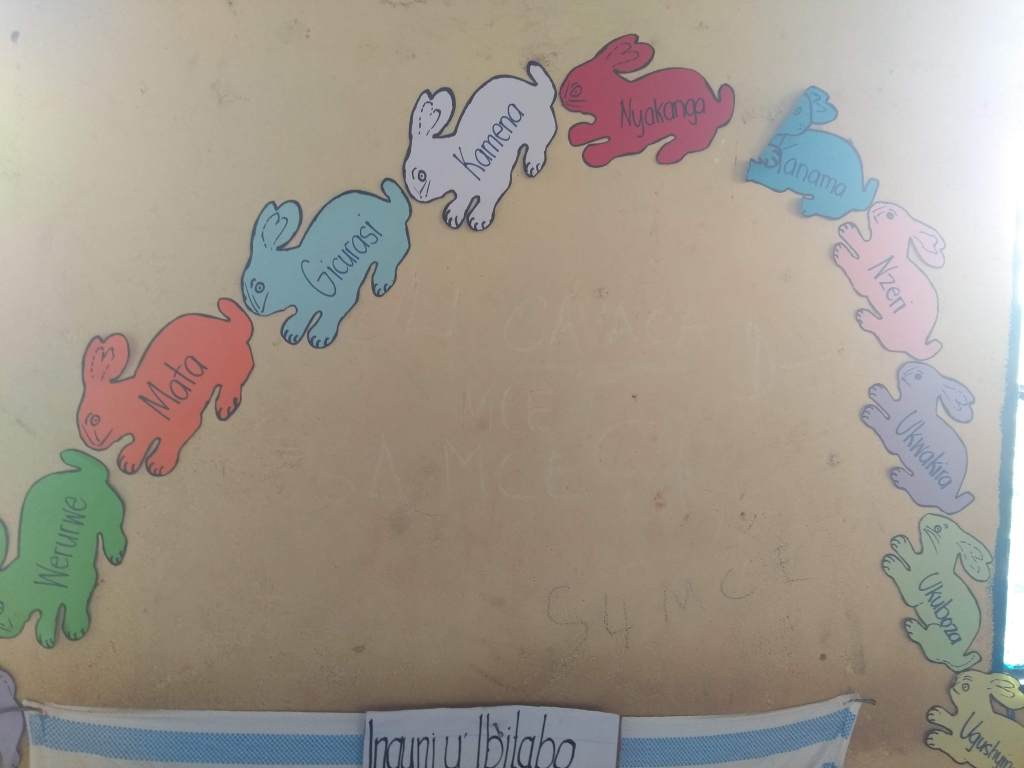
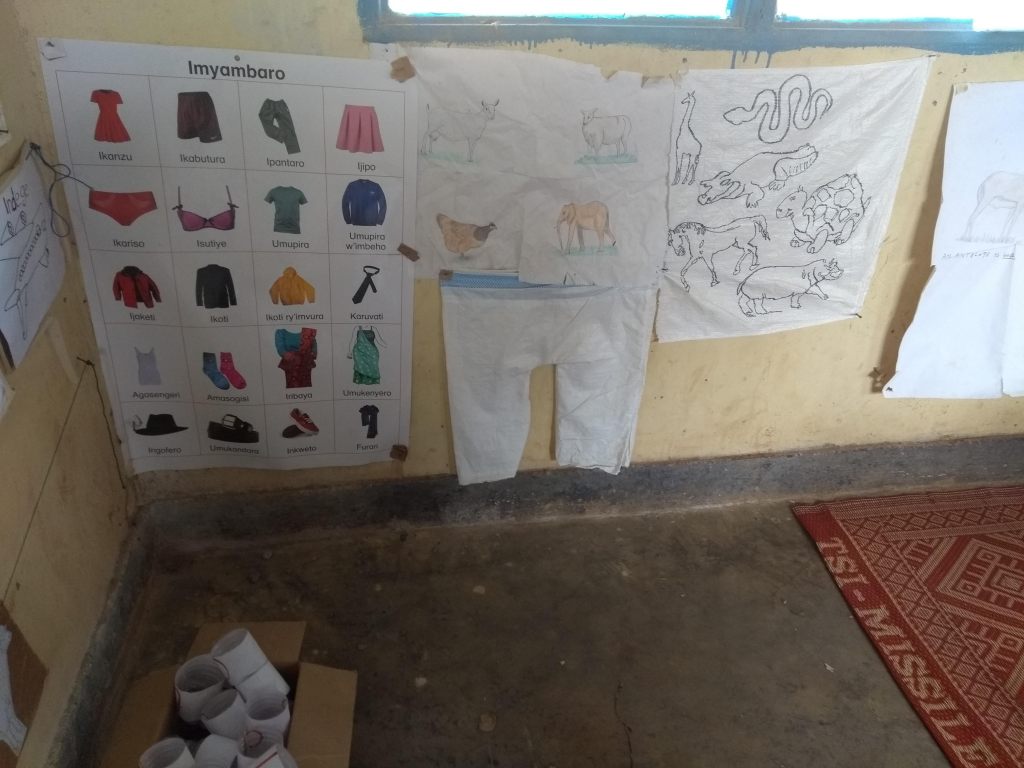
Months of the Year
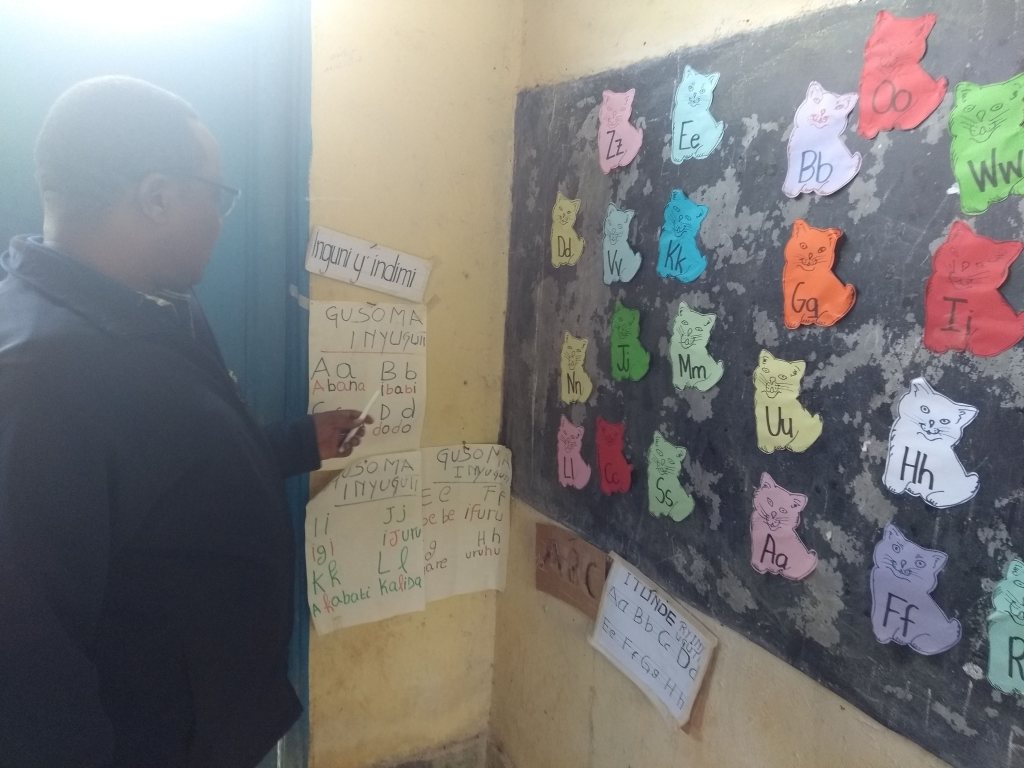
Learning Letters
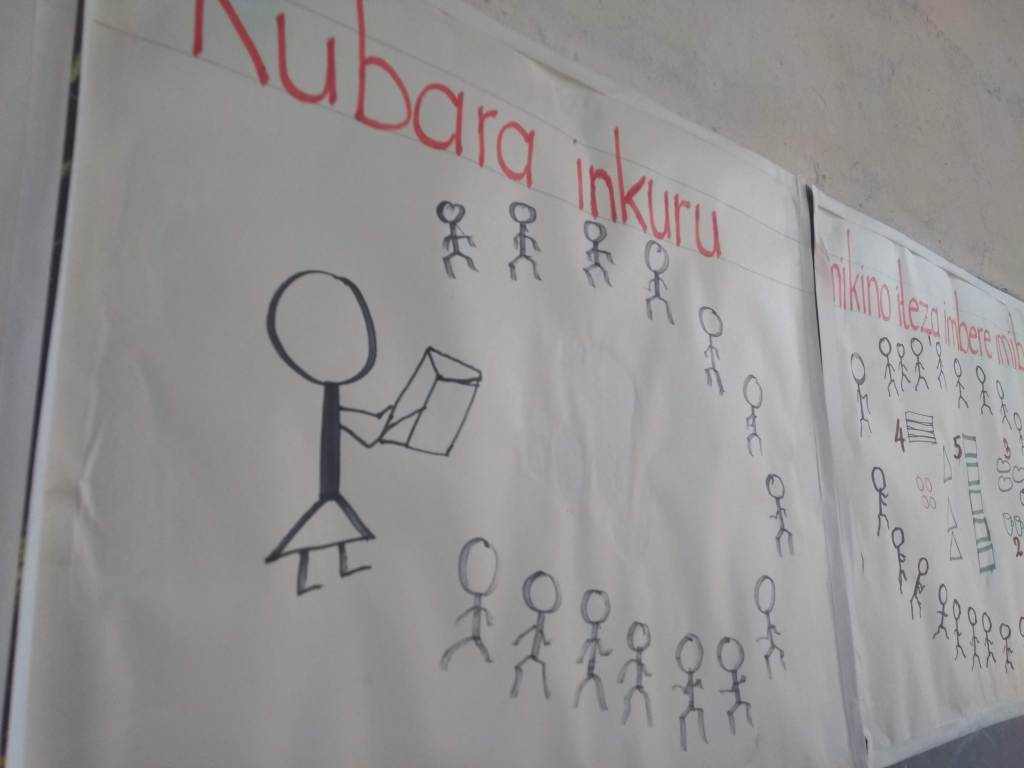
A visual timetable
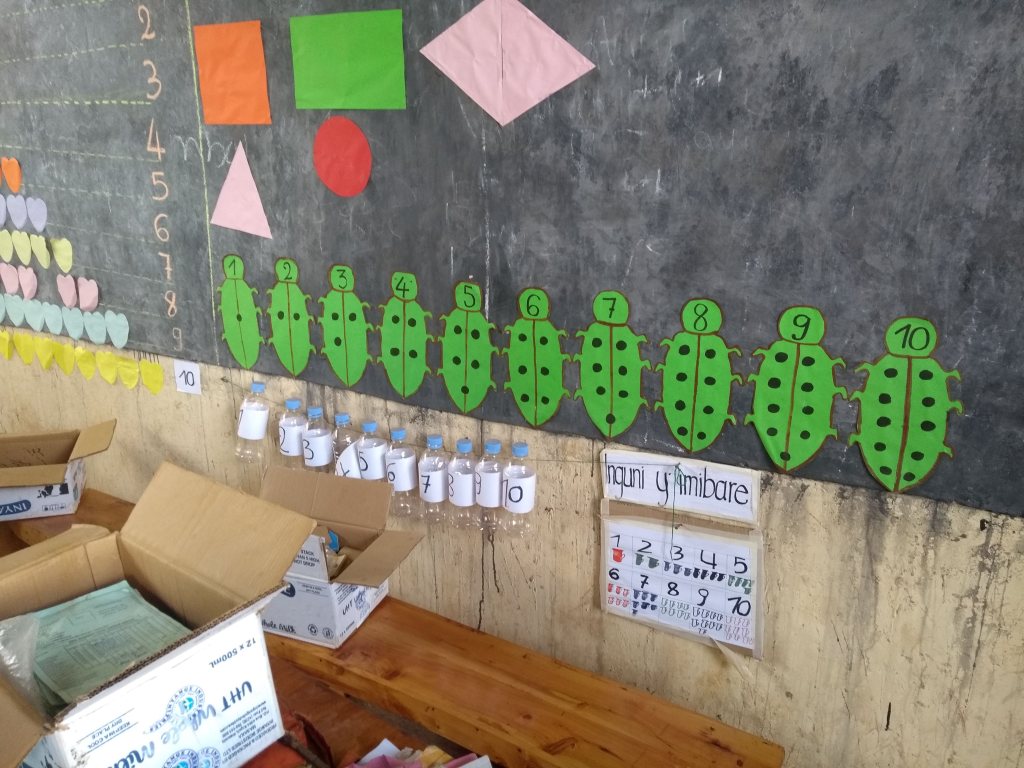
Support for number work
Vocabulary learning

These displays are part of the reception experience for the children of this school. An outstanding example of teacher creativity and understanding of the early learning needs of children.

Learning Resources
Good to see Headteachers responding well to initiatives,
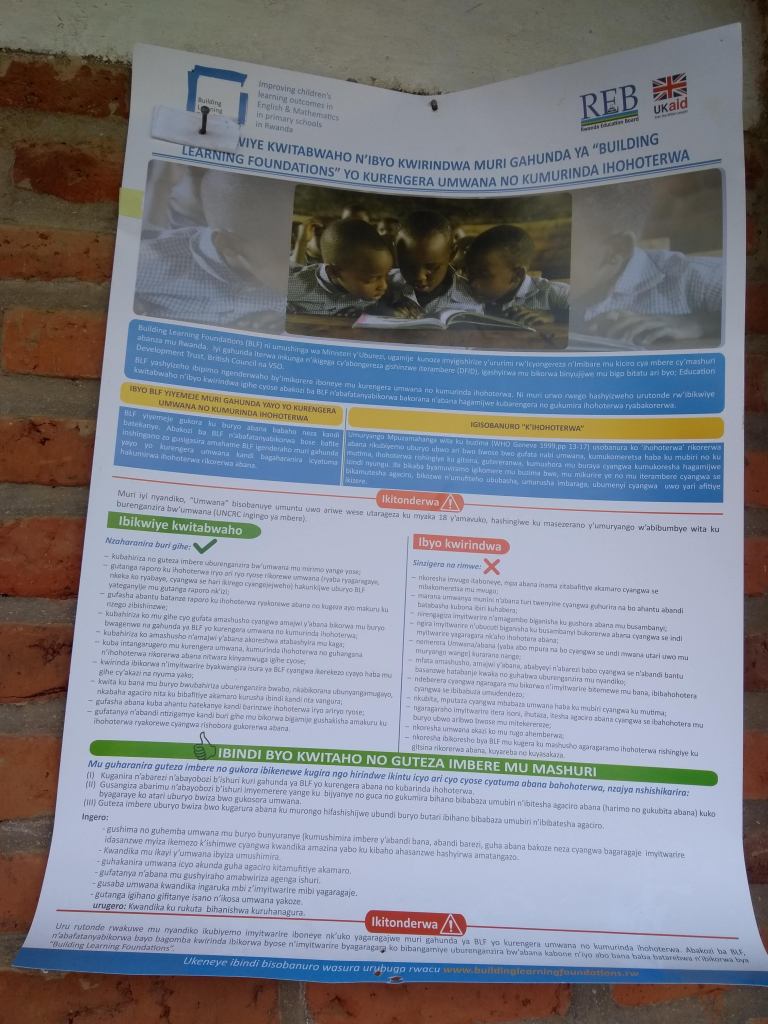
A safeuarding poster. In Rwanda safeguarding is at an early stage!
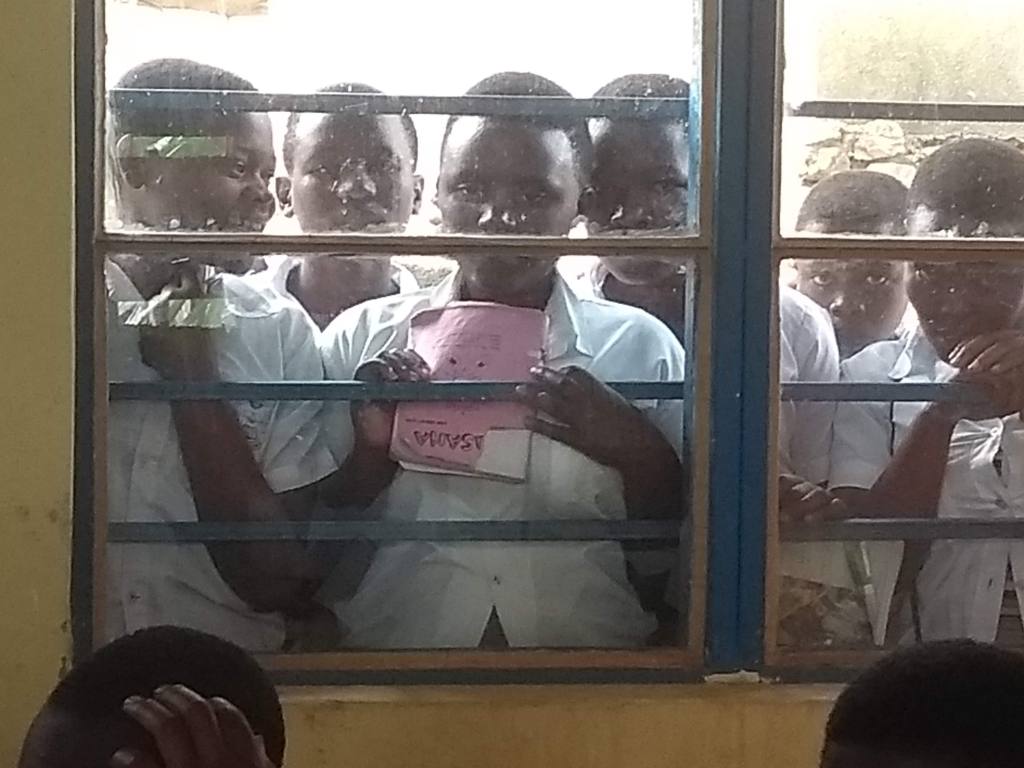
Goldfish bowl but which of us are on the inside!
Tucked away in a far classroom some less good display.
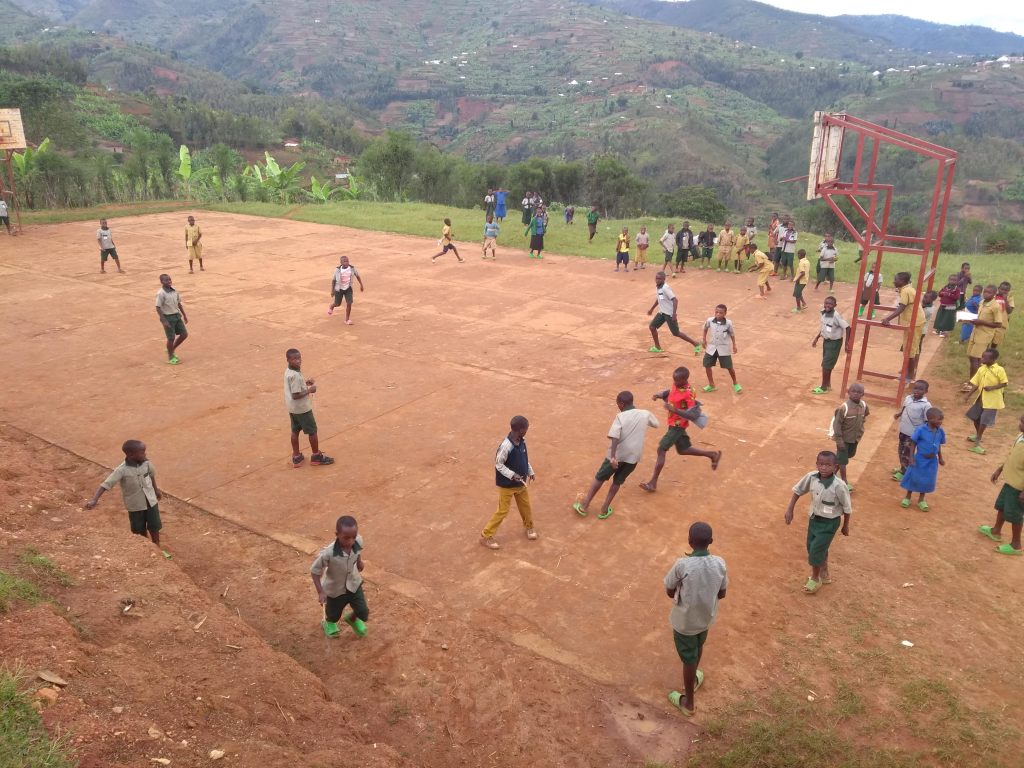
Recreation. The same the world over

A Typical School Visit

I have a lot of record keeping to do. One statistic is % ‘Hard to Reach’ schools visited. In Ngororero 93% of our schools are ‘Hard to Reach’ as they involve a motorbike journey of 1-2 hours up steep mountain tracks. So my school day usually starts with back ache, a sore bum and a full bladder!

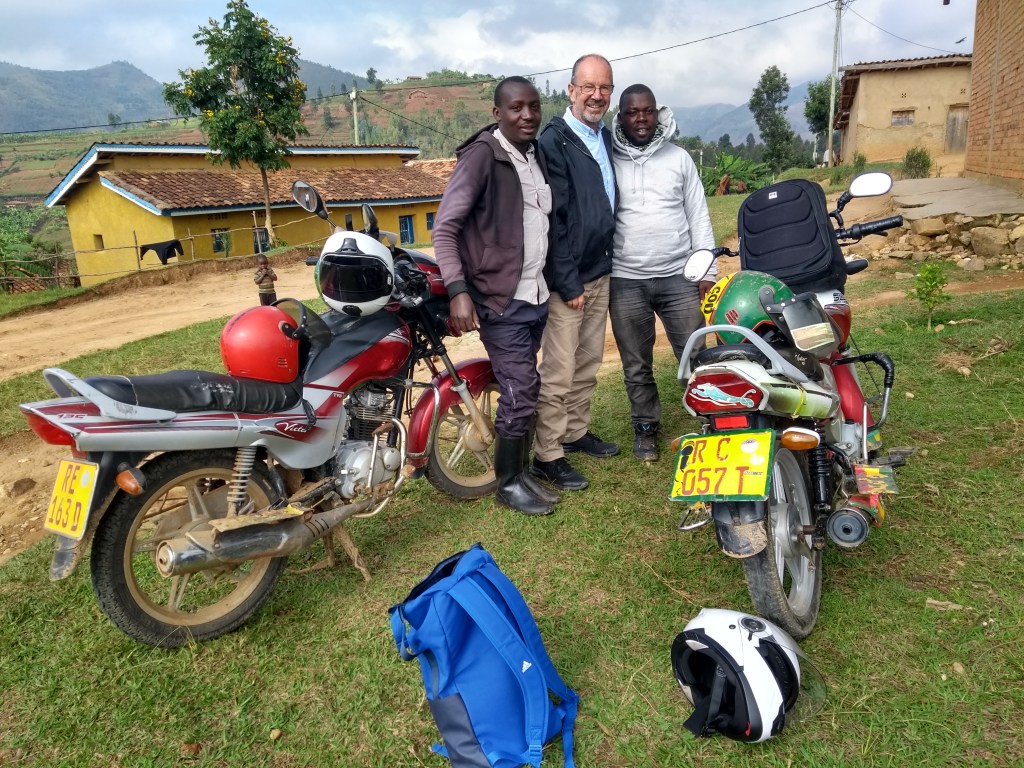
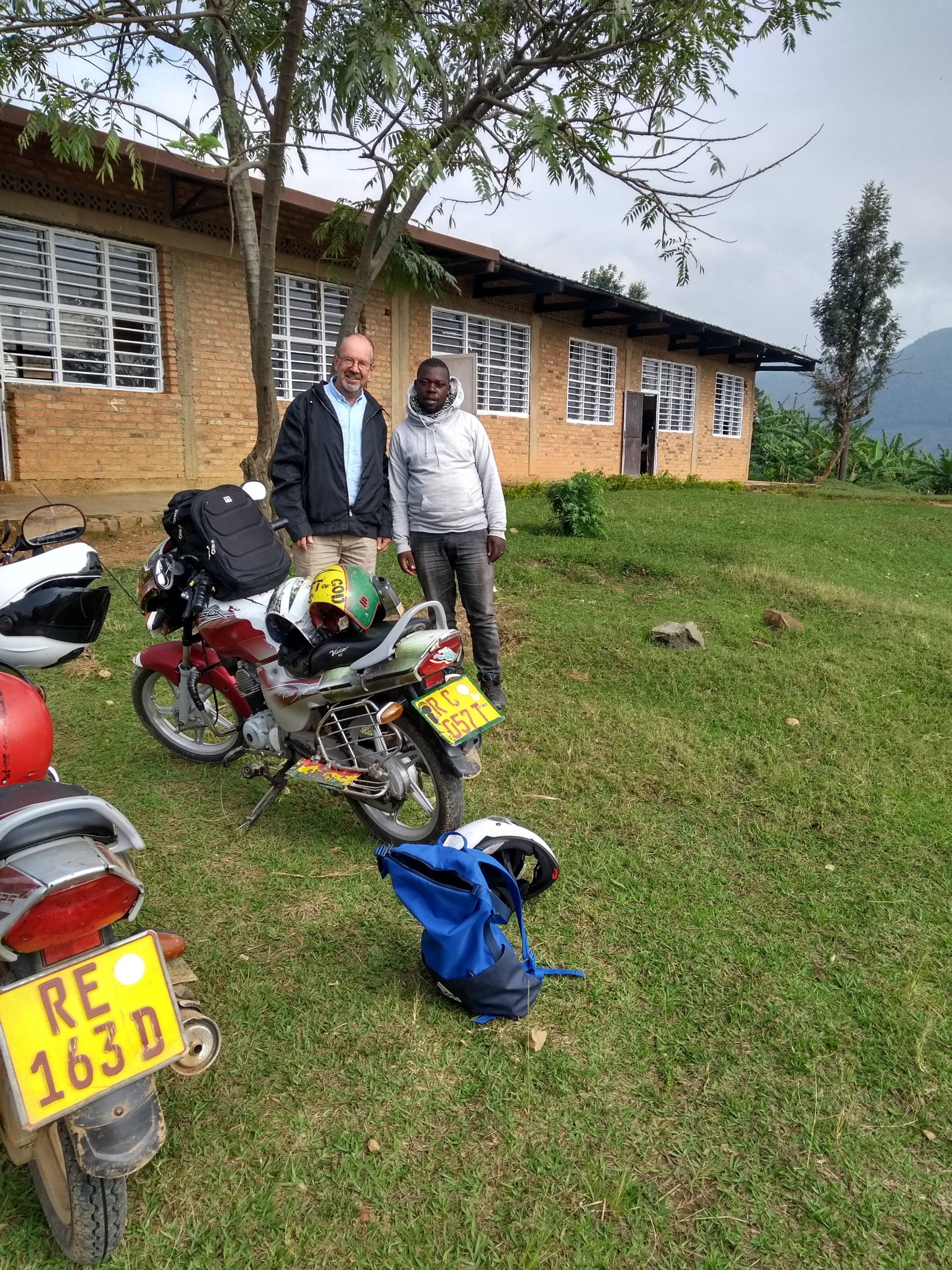
Our drivers. My life is in their hands!

First my School Learning Facilitator and I meet the Headteacher to ask how implementation of the Toolkits is going and to check paperwork.

Next we plan our day of teacher meetings, mentoring, group meetings, Communities of Practice, Classroom observation and feedback.

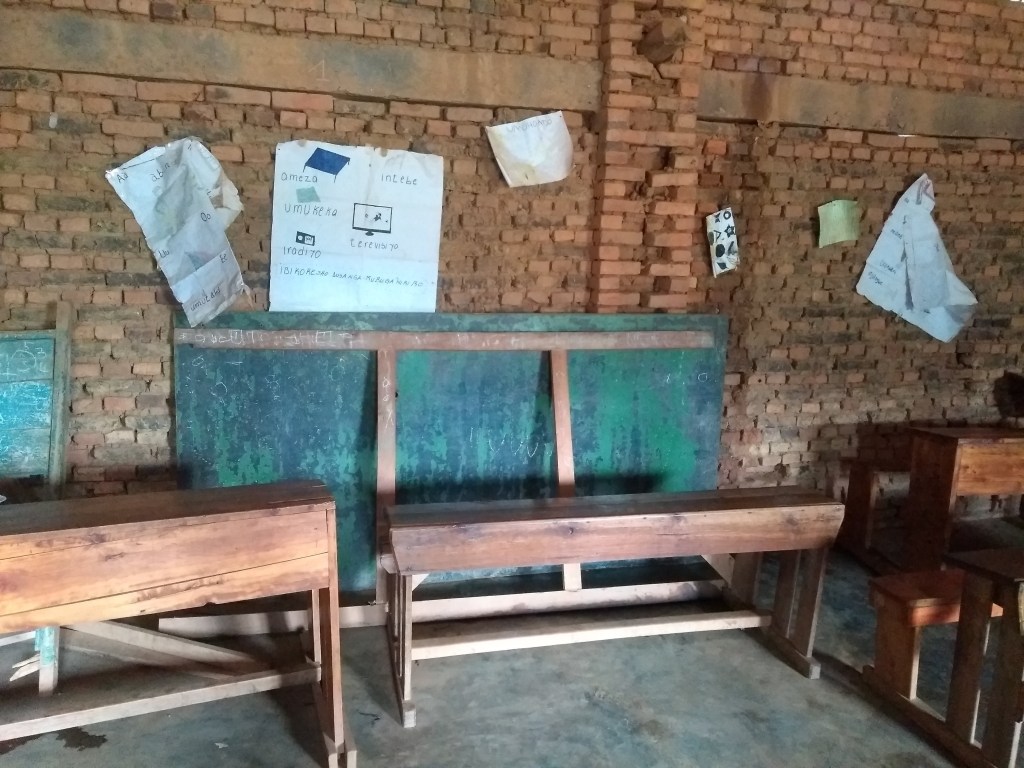
The classrooms are bare and basic. Teachers teach up to 60 children at a time from 7am to 12.30 then those children go home and the teachers teach a second set of children from 1pm to 5.30.

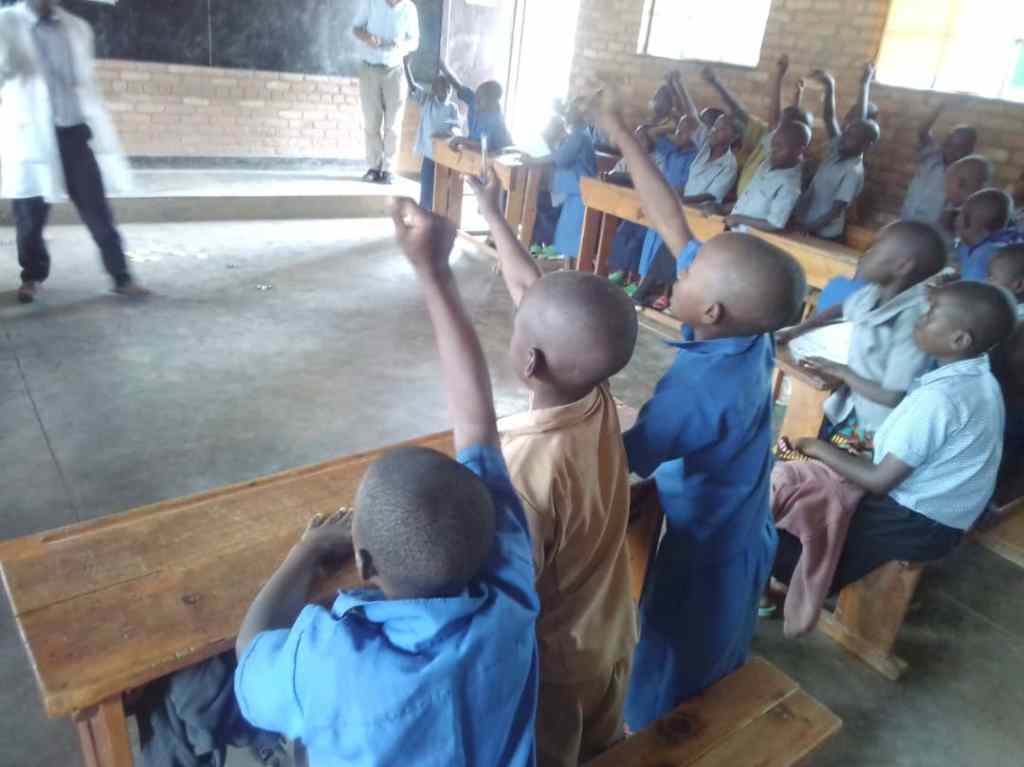
Classroom Observations are my favourite part. The children are so eager. They put their hands up click their and call teach, teach, teach! We are helping the teachers understand the importance of questioning the quieter pupils.

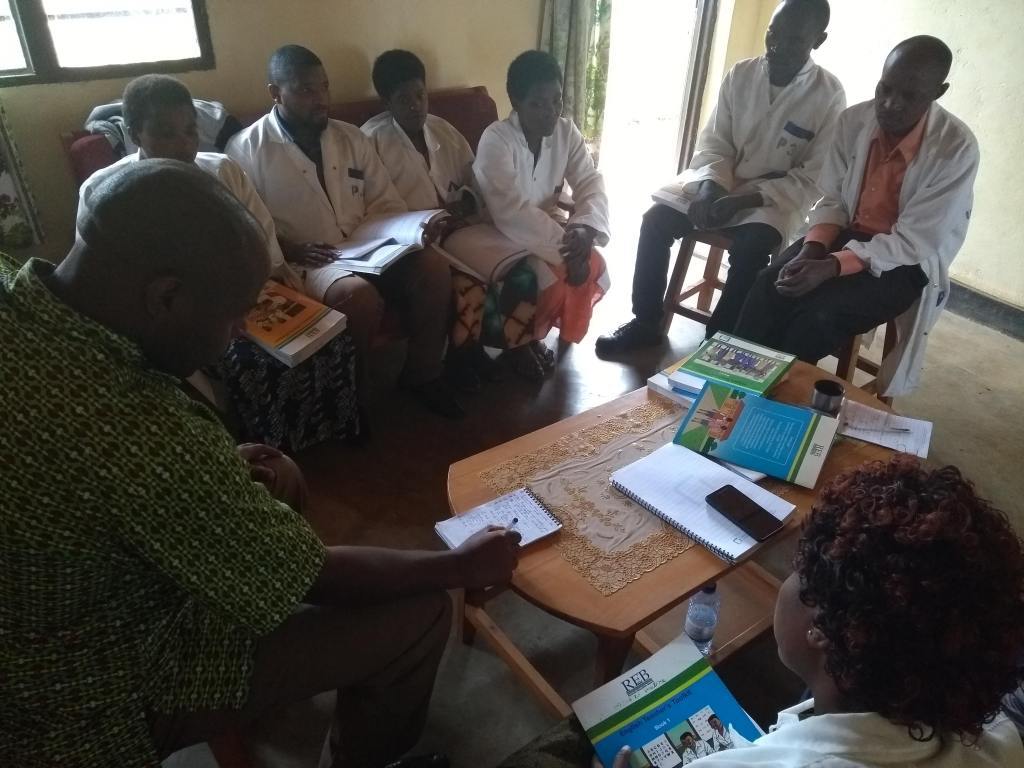
We meet the teachers to support their professional learning, using the Building Learning Foundation curriculum development materials.

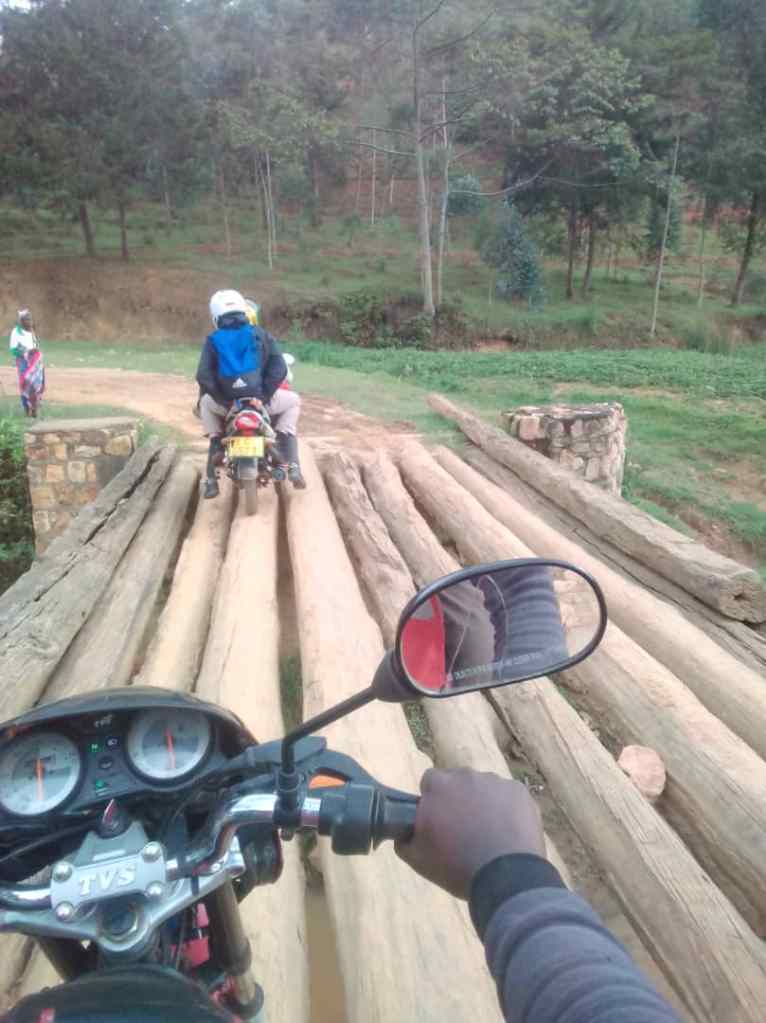
Me crossing one of many ‘bridges’ on the way home from school.

After a long day, back on the motorbike for a long, bumpy journey home!

My journey to work.

R

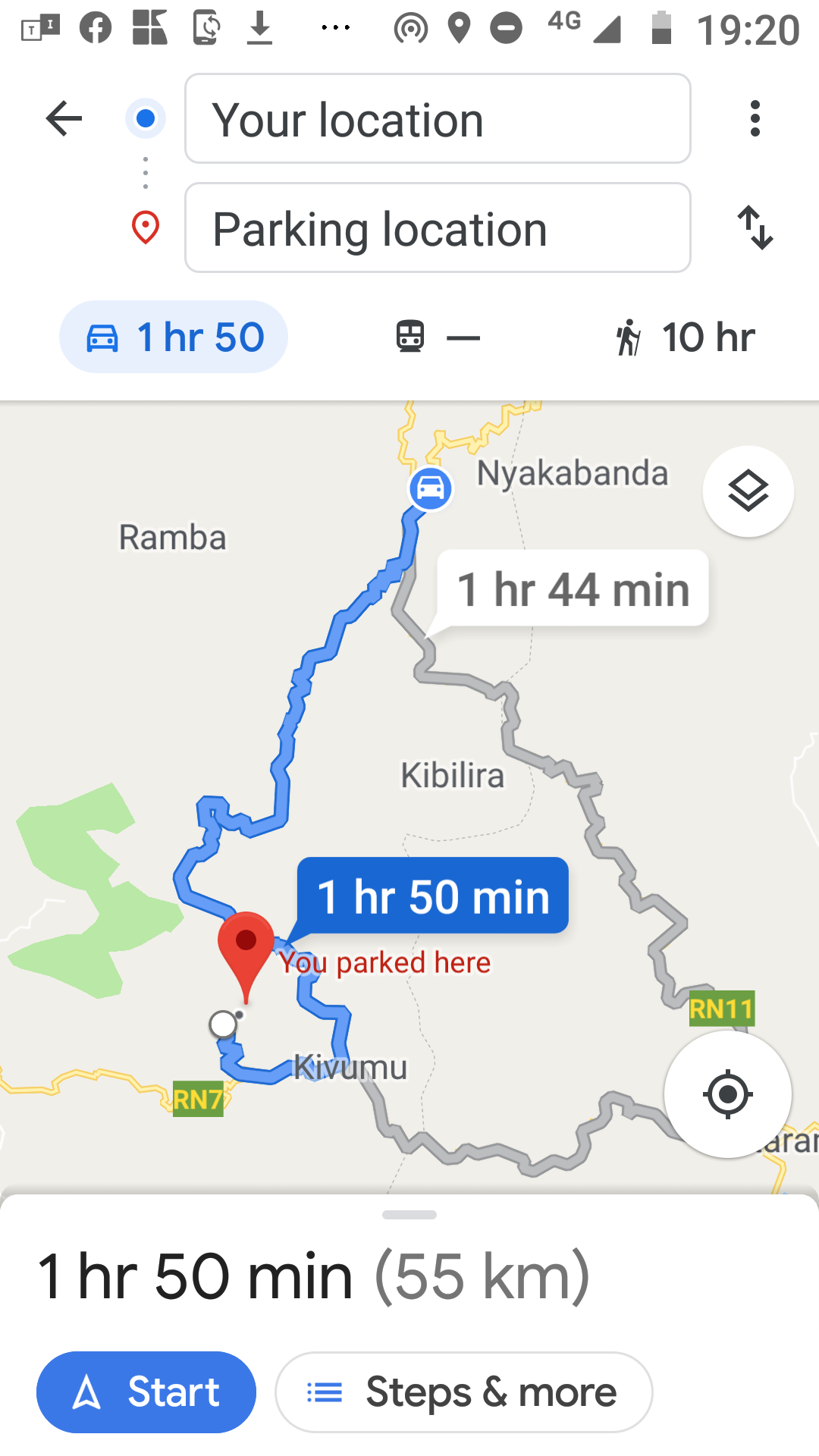
Rwanda is ‘The land of 1000 hills’. Tarmac is limited to roads connecting towns. Therefore, to reach 95% of my schools I must ride on the back of a motorbike on unmade roads, footpaths or goat tracks for between 3/4 hour and 2 hours. I trust my driver totally but there are moments when I am sure we will have to get off and walk.The cross country went on for 85 minutes. After 60 minutes my shaken up bladder was sending alarm calls. My back was not enjoying the boulders and ditches. Every time a building appeared I wondered if it might be the destination school but I had countless disappointments as we bounced past. Finally, when we arrived the headteacher took 20 minutes to fetch the key for the school’s one toilet. Rwandan adults and children don’t seem to need to eat, drink or wee!
Exploring Kigali

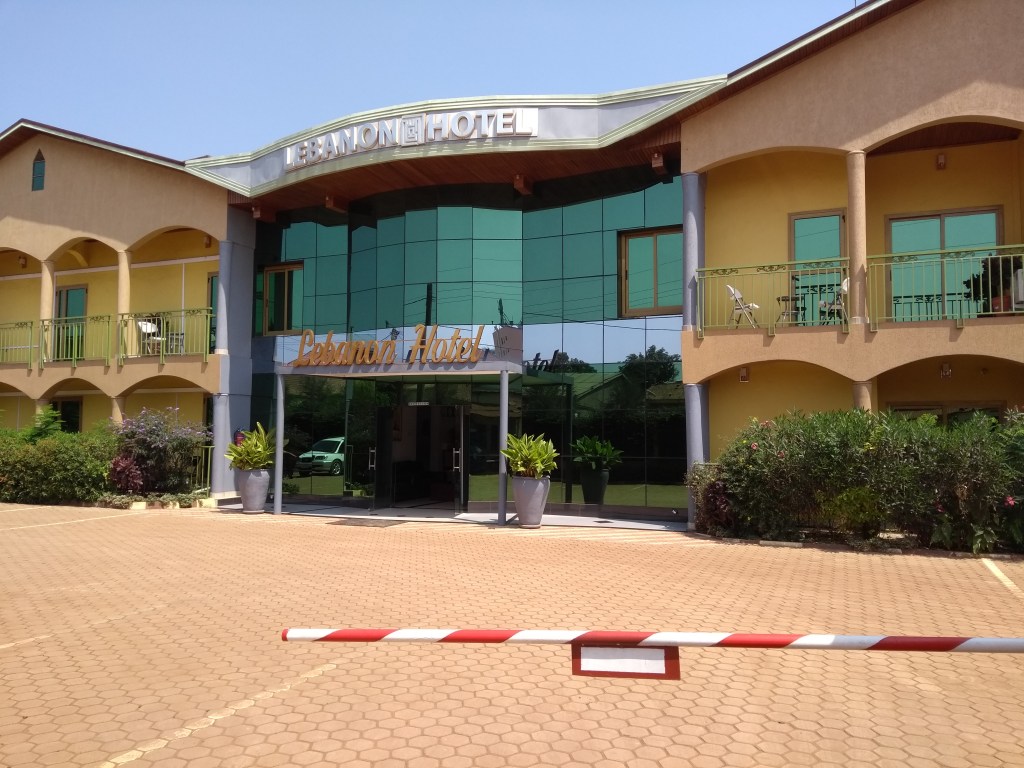
So today I decided to explore the immediate surroundings of my hotel (Hotel Lebanon) in Kigali. A big contrast of the wealthy and the less wealthy.

My hotel is very comfortable, with a swimming pool and sauna but it is surrounded by less affluent buildings and roads.
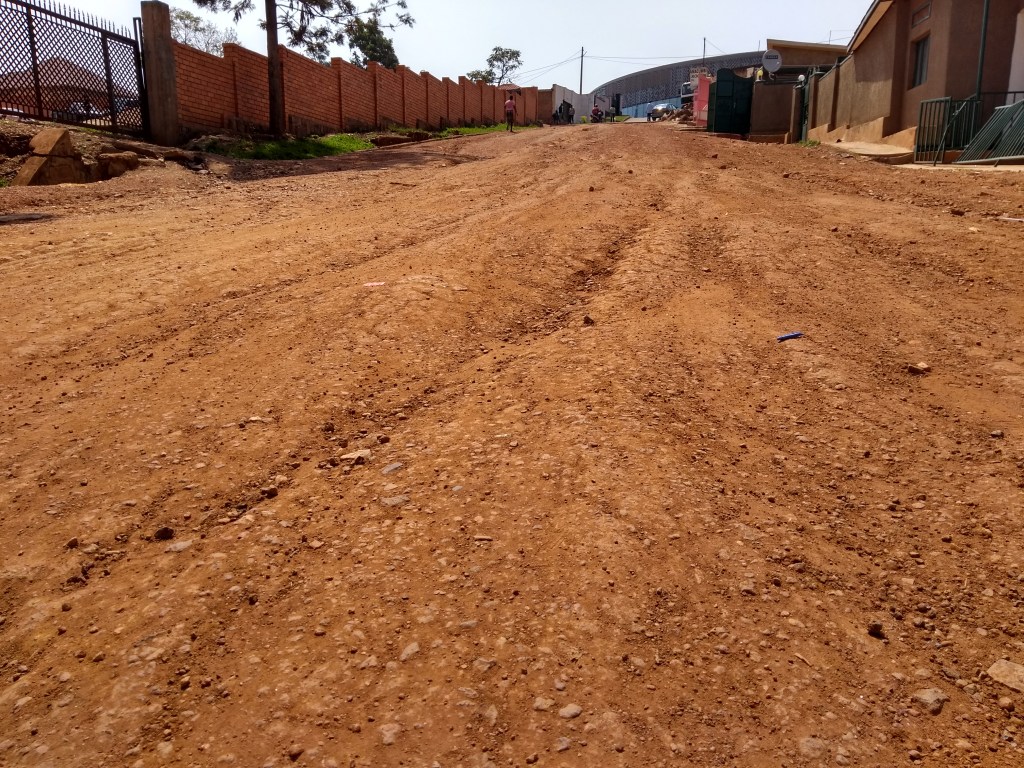
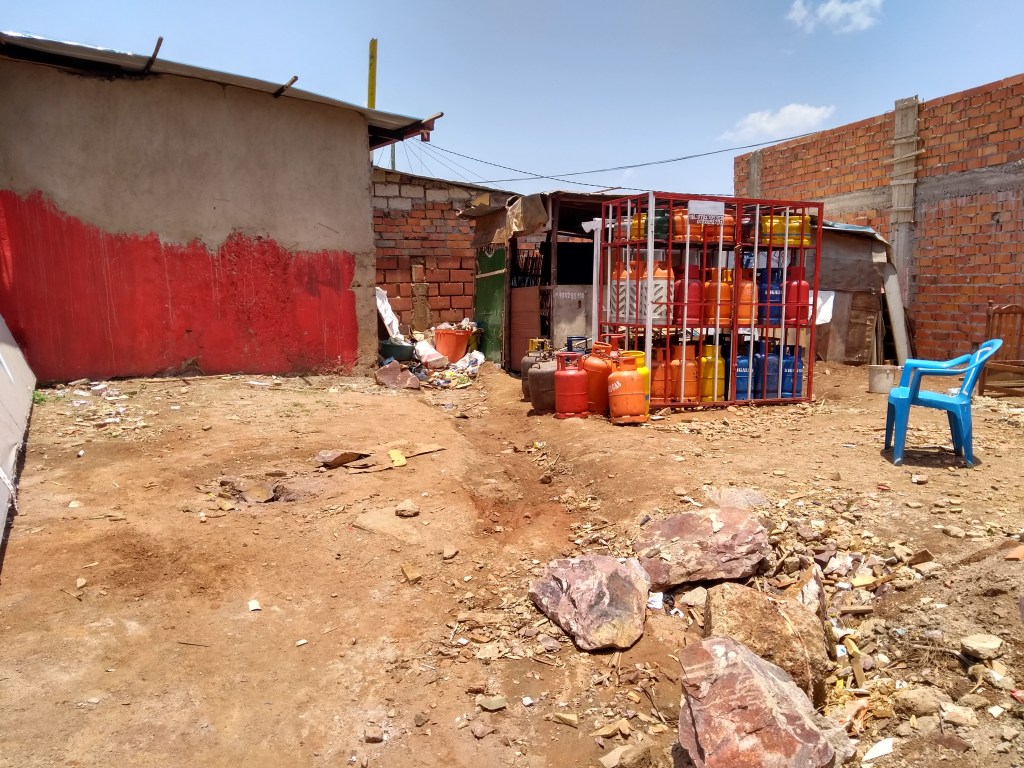
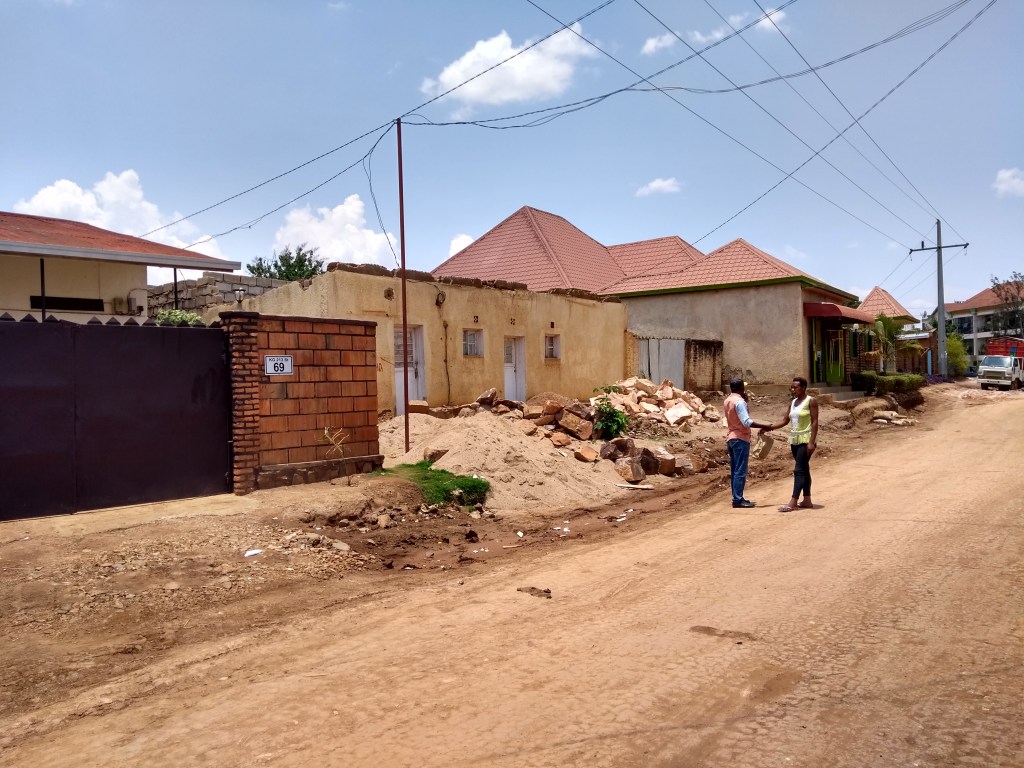
Directly opposite the hotel are buildings in various states of repair and it is on an unmade road.
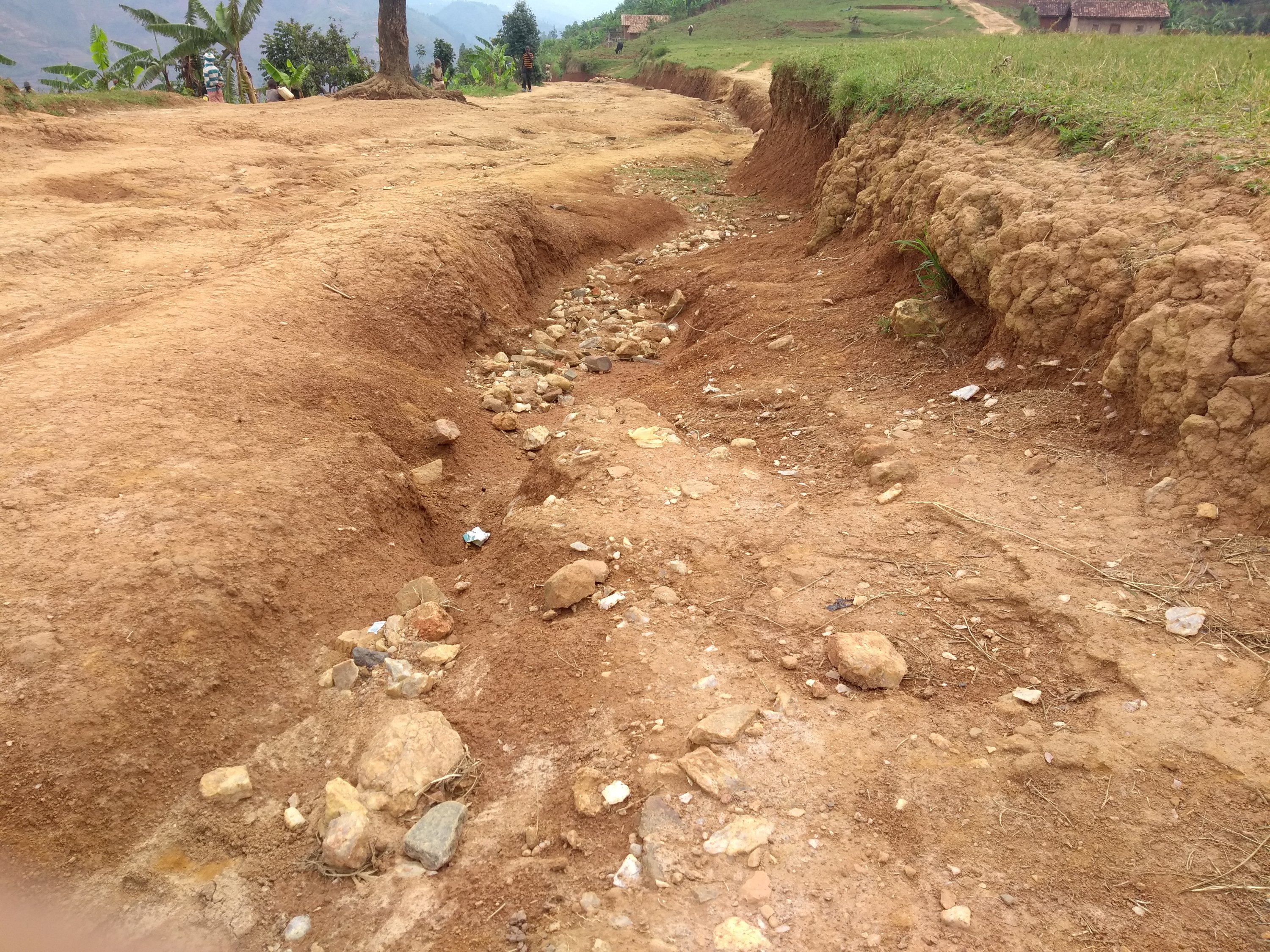
When it rains (almost daily) these roads become rivers.
The local shops close to my hotel.
The hardware store.
Drainage ditches carry water away and are designed to reduce flooding.
People carry produce to sell a long way.
Function is generally more important than beauty.
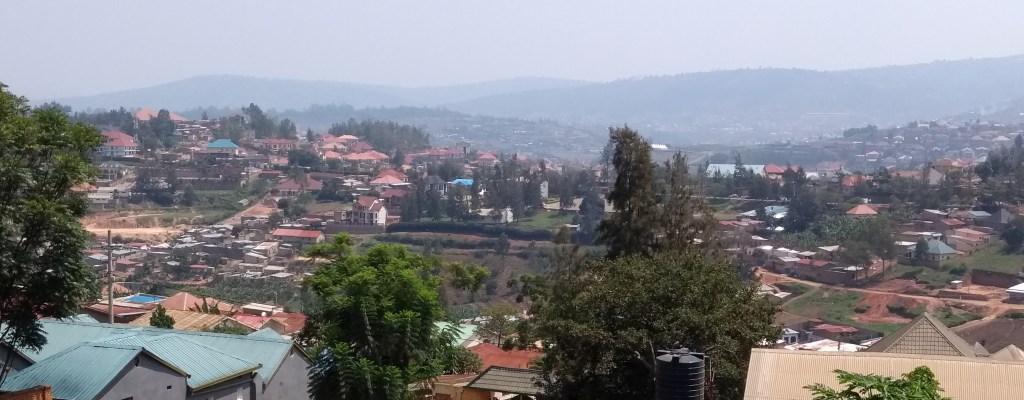
From a distance it still looks like a lovely city.
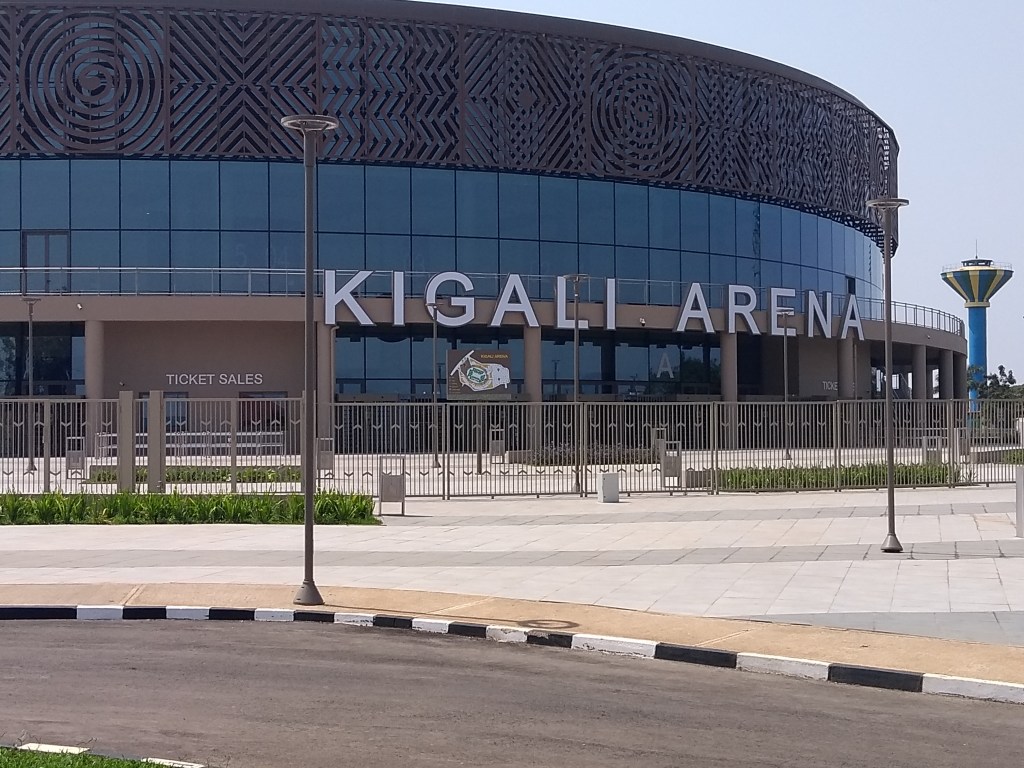
A short distance away are the trappings of wealth such as the National Sports Arena.
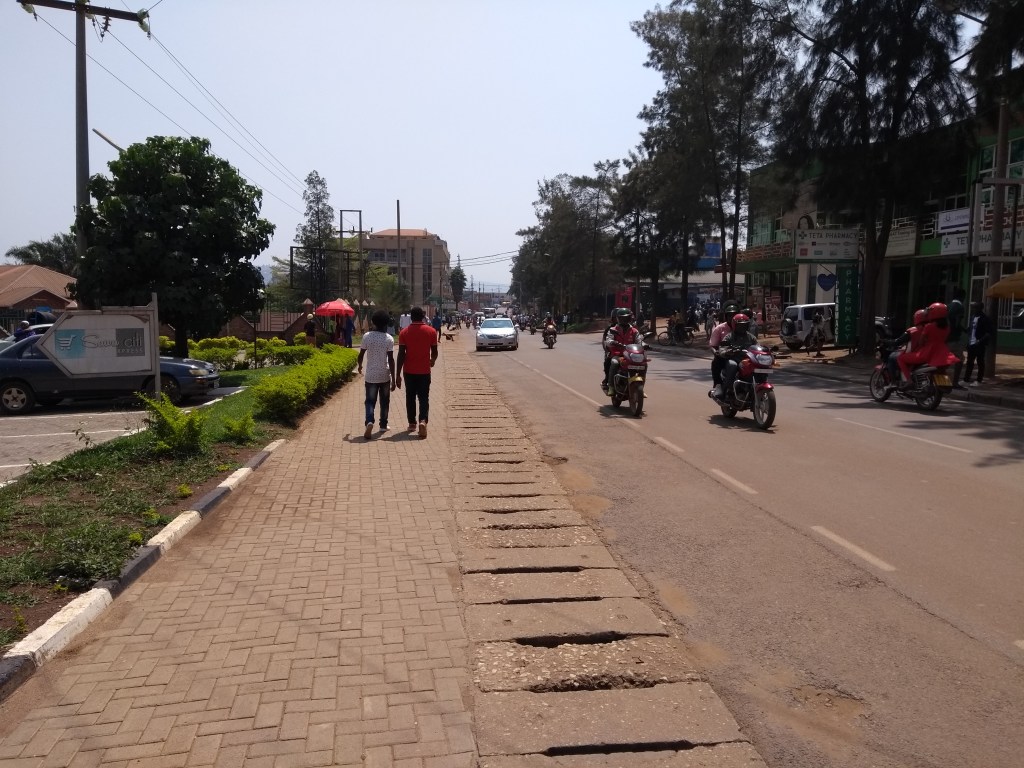
The roads are always busy with lorries, cars, bikes and pedestrians.

The roads are very dusty but the locals can often be seen sweeping them clean. A thankless and endless task!

Kimironko Market

There are several big markets in Kigali. Kimironko market is mostly for clothes and fresh produce. It is busiest on Saturday and Monday and ‘quiet’ on a Sunday, so I went today (Sunday) without expectation but was pleasantly surprised.

Moto (Bike) taxis wait to take shoppers home.
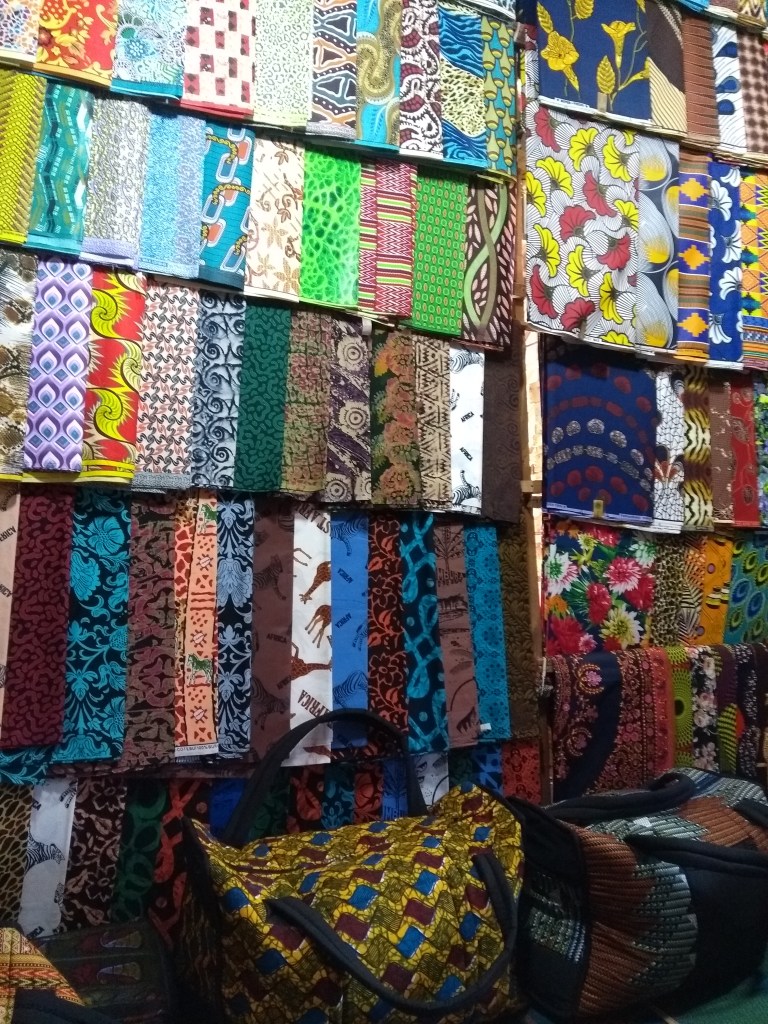
Bags, purses, cloth and all kinds are available. Haggling is common place so I was in my element. Gabanya (Lower the price!).
The fresh fruit was stacked high. I bought a pineapple haggling the price down by 200 RWF from 1500 to 1300 (about a pound sterling). I think I was conned but it was delicious anyway.
Footfall was light today. I wonder how long all this produce lasts.
I have never seen so many beans in one place!
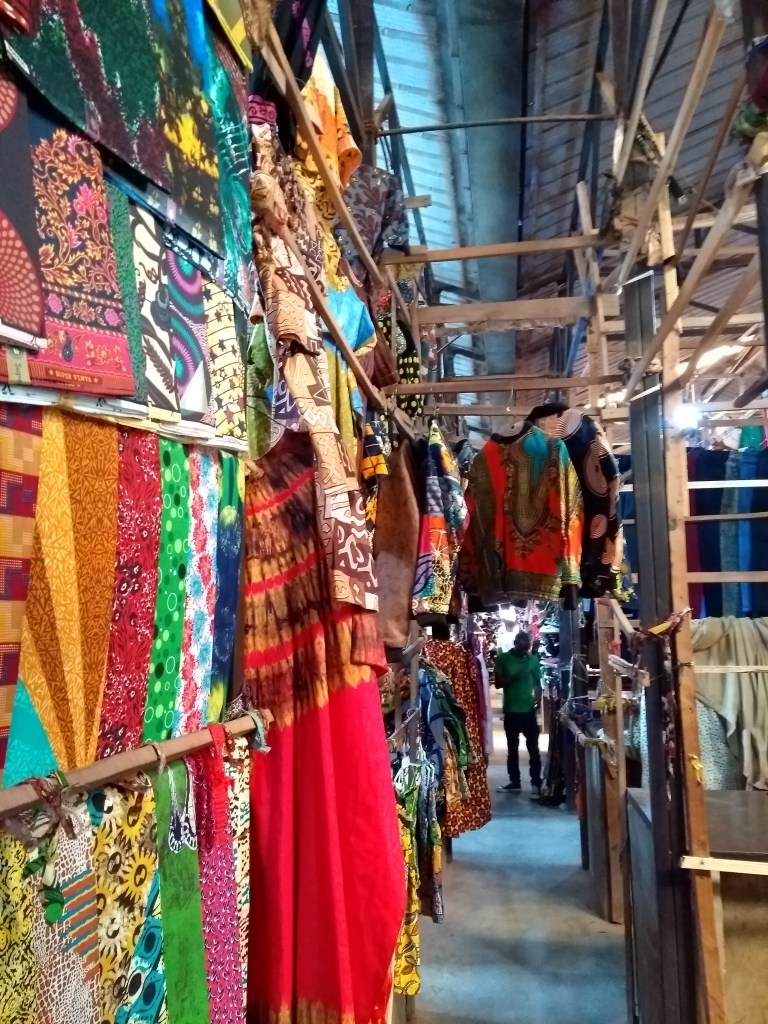
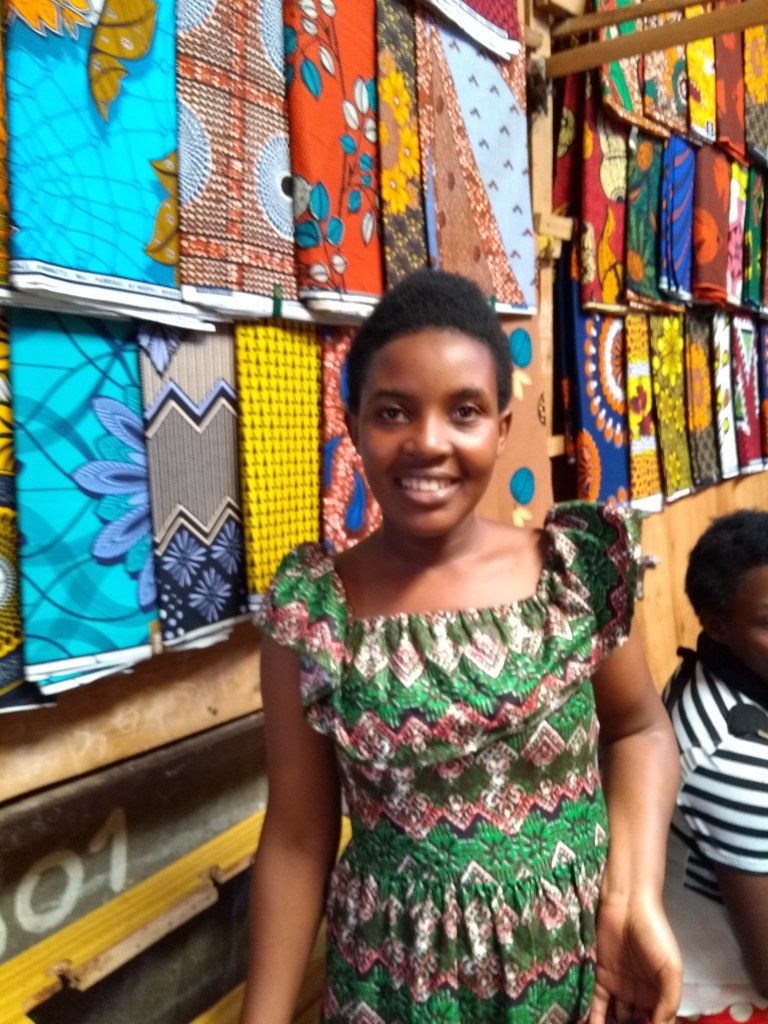
Racks and racks of colourful fabrics.
Spoilt for choice!
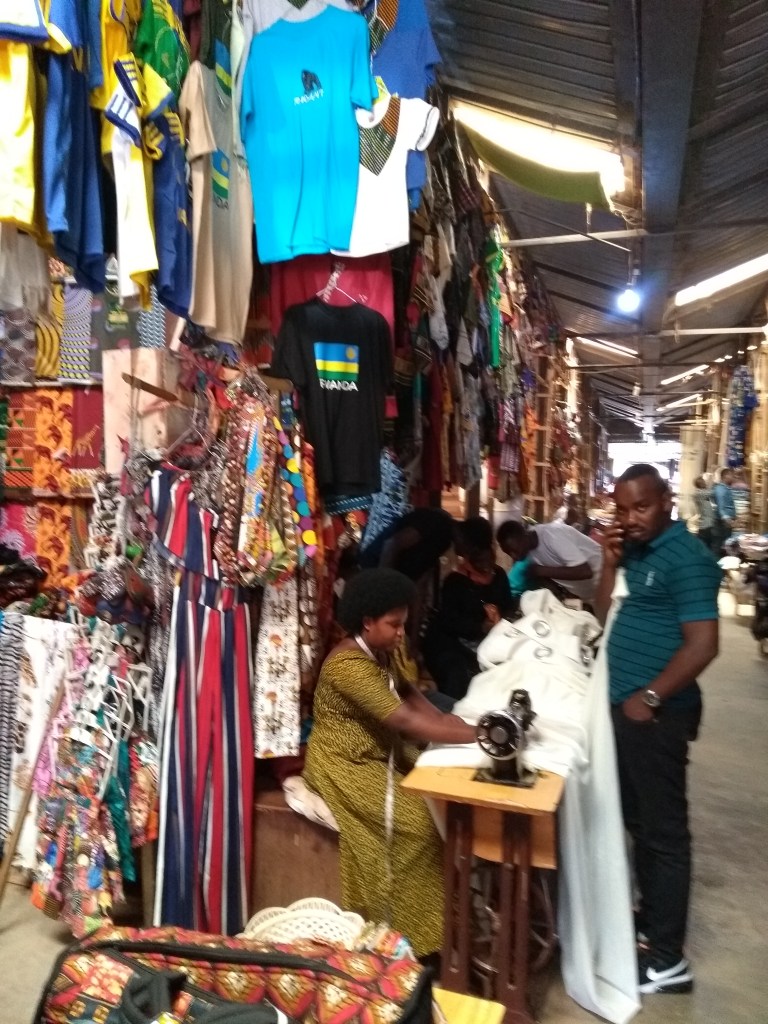
Ladies with sewing machines make ‘made to measure’ clothes from the fabric while you wait accommodating many different styles.
Jane was keen to make me a shirt for just £10000 RWF (abou £8) . I may well go back and get a made to measure shirt later in the week.
Every corner of the market was busy. It was sometimes hard to tell what was going on.
Stalls varied from locally produced hardware……..
…. to the Rwandan equivalent of the pound shop.
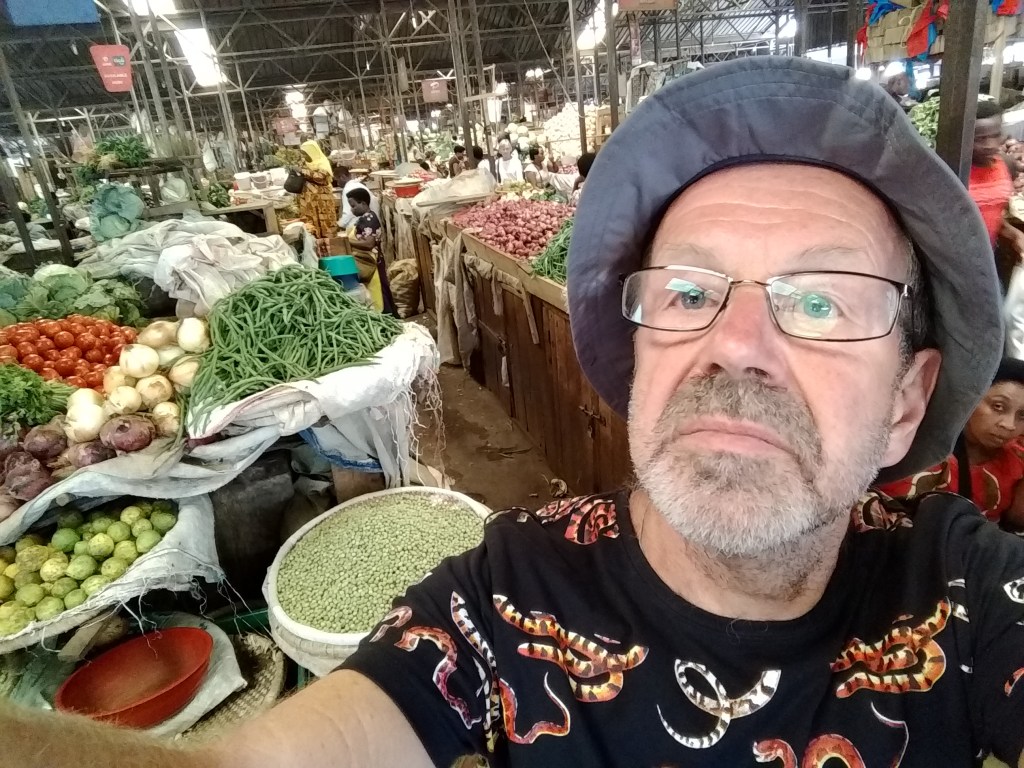
Selfie to prove that I was there.
The vegetable stall went on for ever.
There was also meat & fish available.
Design a site like this with WordPress.com
Get started